Necessary Cookies

Required for the site to function. Cannot be disabled.

Analytics Cookies

Help us understand how visitors interact with our site (Google Analytics via GTM).

Marketing Cookies

Used to track visitors and deliver personalised advertisements.

We use cookies to enhance your browsing experience and analyse site traffic. By clicking Accept All, you consent to our use of cookies. Privacy Policy
NewsFire Global
Home News Europe World Christianity Culture Wars Opinion Video
Information
About Us Authors Advertising Terms & Conditions Privacy Policy Contact
R2B Media
R2B NEWSFIRE.GR PAPAFOTIS.GR THRACTION HELLENIC CONSERVATIVES RIGHT2THEBONE YT
News Europe

Interior Ministers Plan New Security Structure Fearing AfD Government

German interior ministers are discussing plans to restructure security architecture and limit classified information access to sideline the AfD if the party enters state governments this year.

Dimitris Papafotis
Dimitris Papafotis Editor in Chief
JUNE 19, 2026 AT 7:43 PM Updated: Jun 19, 2026 6:24 PM

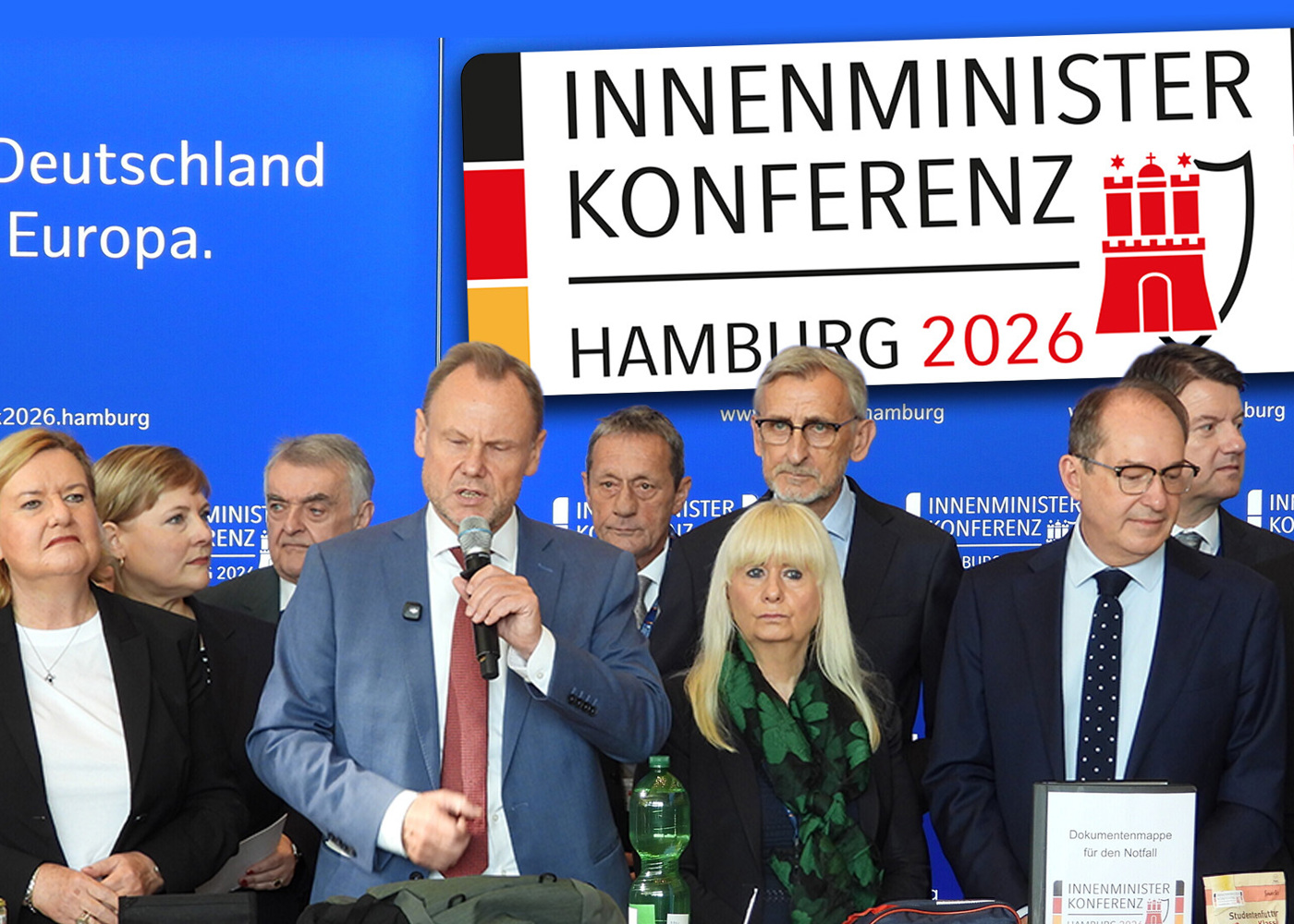
German interior ministers are reportedly plotting behind closed doors to fundamentally restructure the country’s security architecture in order to sideline the AfD, should the party enter government in federal states later this year. The discussions, taking place at the Interior Ministers Conference in Hamburg this week, involve scrapping core principles of German federalism and limiting access to classified information for democratically elected officials.

According to Nius, the 225th Interior Ministers Conference, which runs from June 17 to 19 in Hamburg, has made the potential AfD government participation its unofficial centerpiece. While not formally on the agenda, ministers from federal and state levels are intensively discussing measures that could deny a possible AfD-led government access to central components of Germany’s security infrastructure.

AfD Dominates Backroom Talks Despite Official Silence

The scenario of AfD government participation in Saxony-Anhalt or Mecklenburg-Western Pomerania is not being openly addressed on the conference’s formal schedule. Several ministers, primarily from CDU-led states, reject public discussion of the matter to avoid providing the AfD with additional campaign ammunition during the election period. However, multiple sources confirm that concrete plans already exist for restructuring how Germany’s entire security architecture operates.
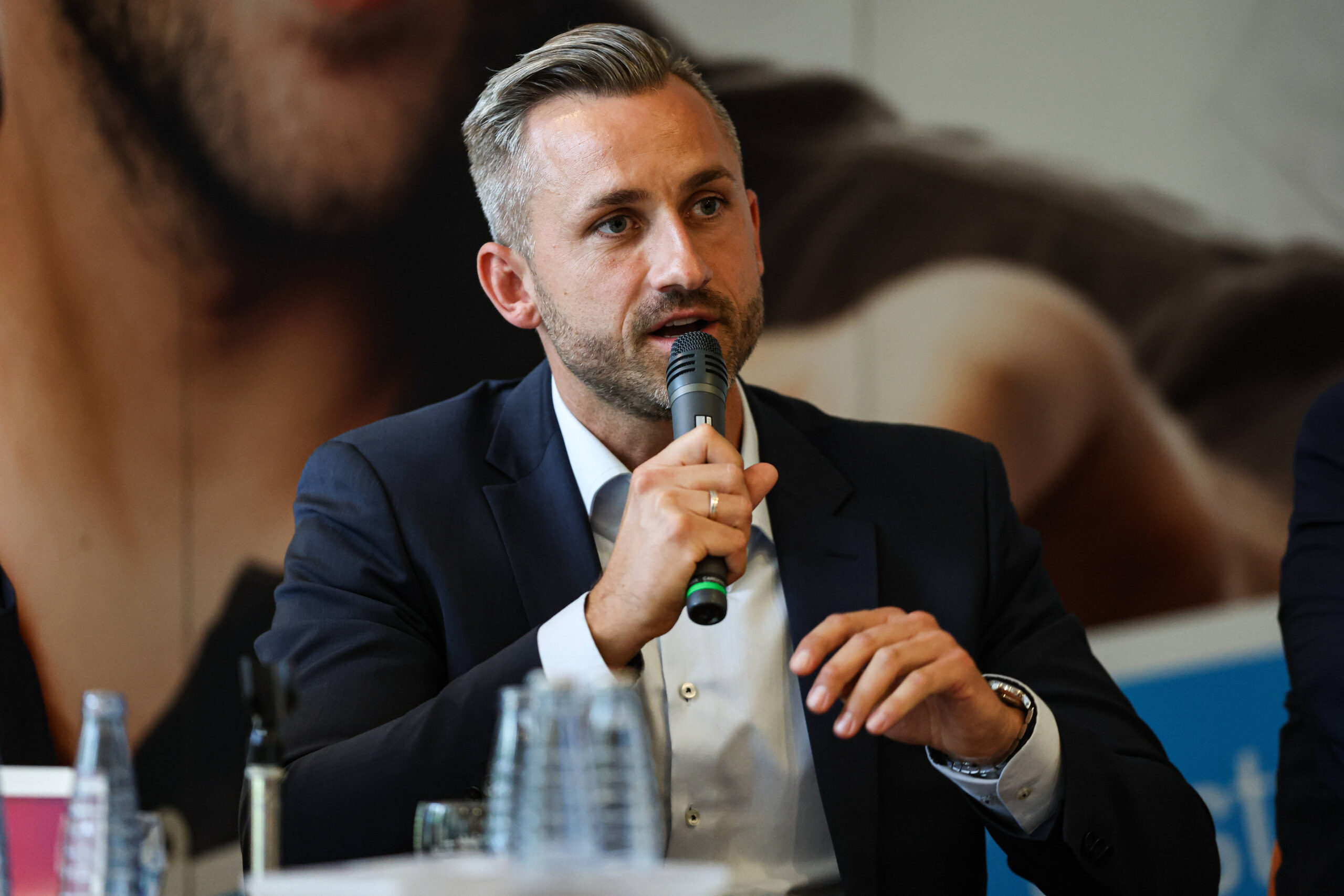
Ulrich Siegmund werden in Sachsen-Anhalt die besten Chancen auf eine AfD-Regierung eingeräumt. In Umfragen steht die AfD kurz vor der absoluten Mehrheit.
Photo: nius.de

In Saxony-Anhalt, Ulrich Siegmund is considered to have the best chances of leading an AfD government. Polling data shows the party approaching an absolute majority in the state.

Unanimity Principle Targeted for Elimination
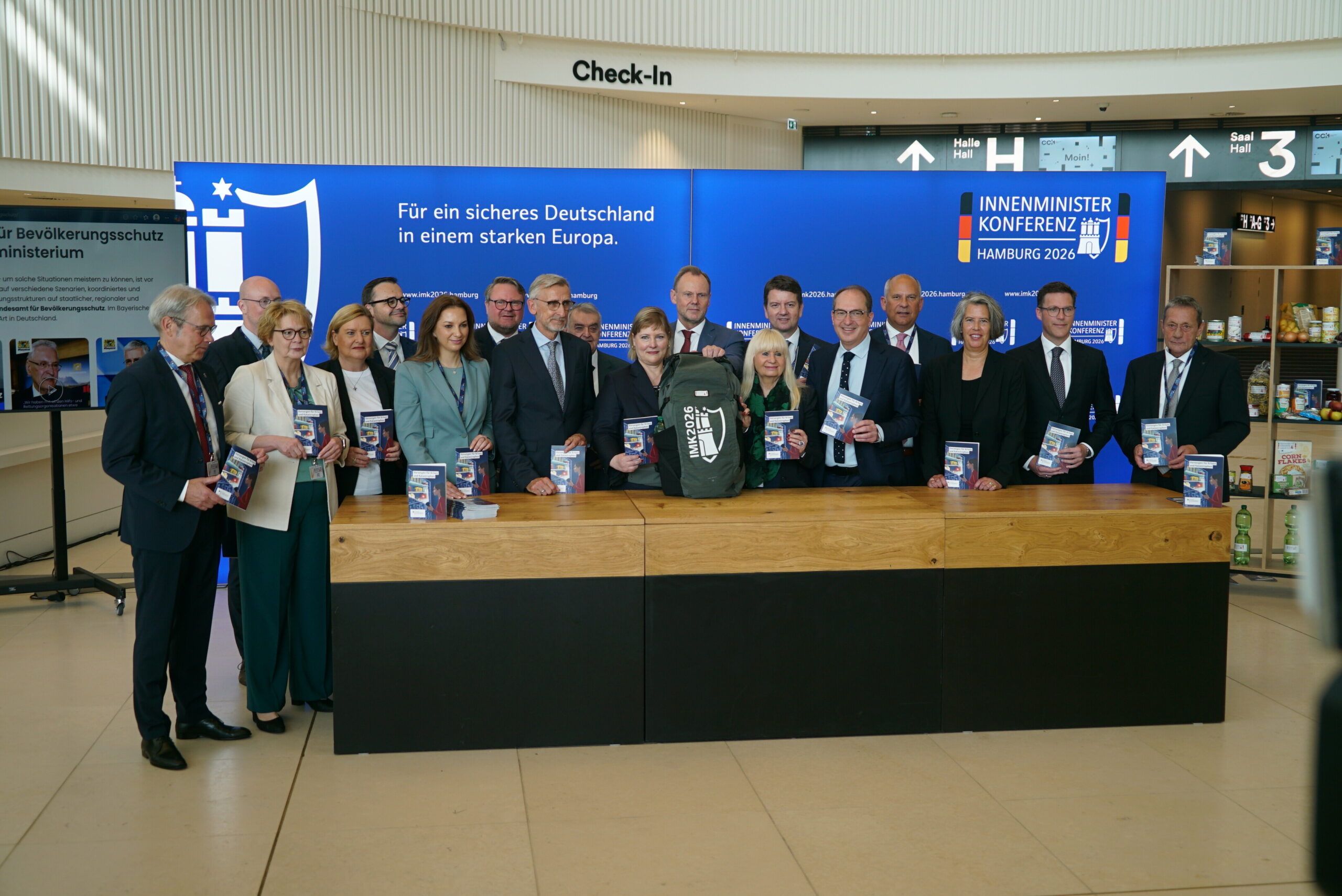
Um eine mögliche AfD-Regierung zu schwächen, soll das Einstimmigkeitsprinzip der IMK fallen.
Photo: nius.de

A central point of discussion involves abandoning the unanimity principle that has governed Interior Ministers Conference decisions. This principle exists to prevent any federal state from being simply outvoted. Should an AfD interior minister join the table in the future, participants are considering bypassing this requirement entirely. Future conference decisions could then be made against the will of a democratically legitimated state interior minister, effectively abolishing a core principle of German federalism: the equal standing of federal states.

Information Blockade Planned for AfD Ministers

Another sensitive area concerns access to confidential security agency information. Officials are exploring options to deny one or more potential AfD interior ministers access to classified intelligence. North Rhine-Westphalia’s Interior Minister Herbert Reul acknowledged this difficulty at a state press conference in May, asking how such restrictions could be prevented when dealing with elected government representatives. He admitted he had no answer. This approach would violate the constitutional principle of equal treatment of federal states and their governments.
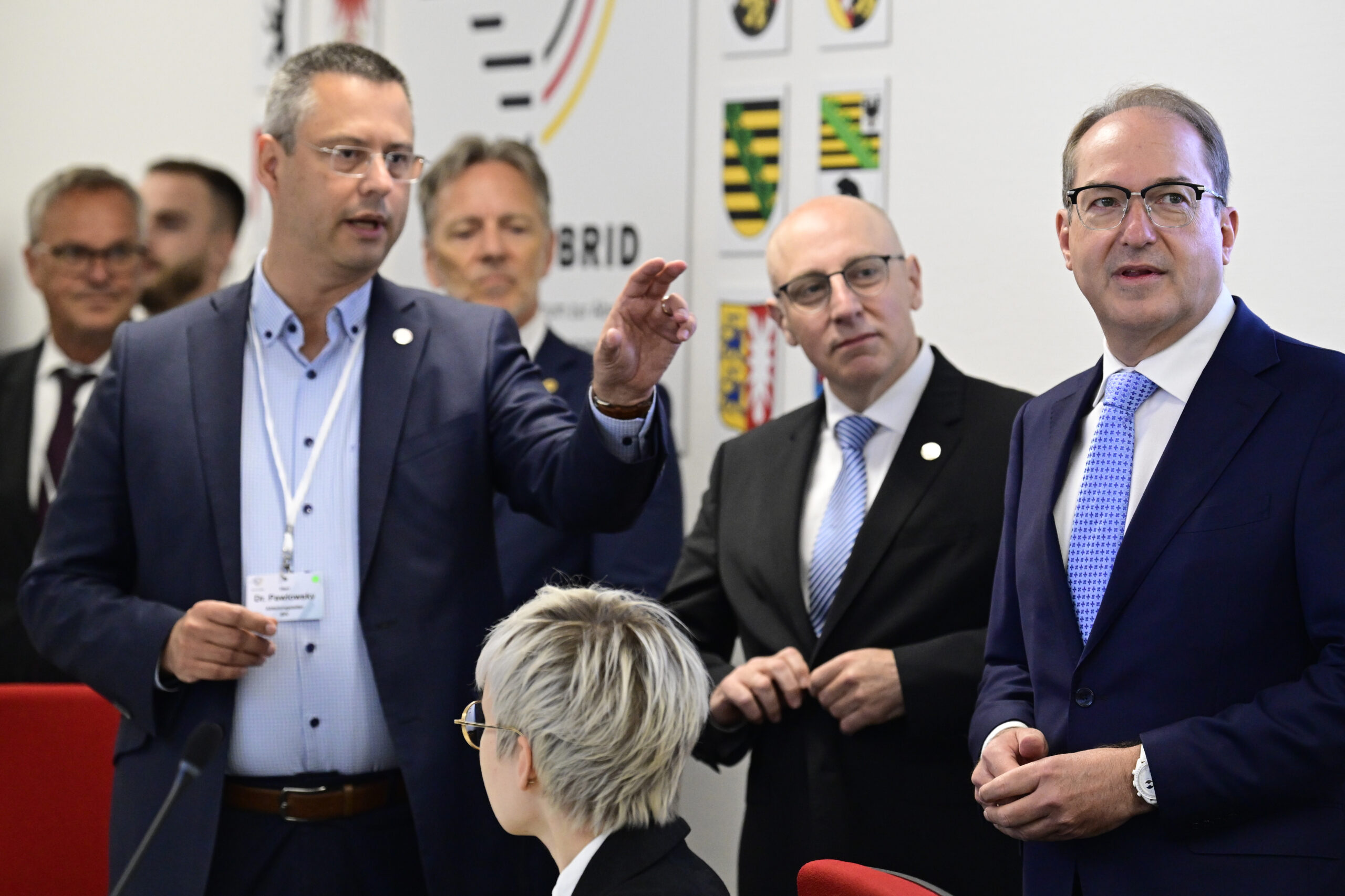
Der Bundesinnenminister Alexander Dobrindt (r) und Sinan Selen, Präsident des Bundesamtes für Verfassungsschutz (2.v.r)
Photo: nius.de

Federal Agency Expansion at States’ Expense

Discussions also include strengthening the central coordination function of the Federal Office for the Protection of the Constitution. A draft resolution from Mecklenburg-Western Pomerania reportedly already exists. While officially framed as improved coordination, such strengthening could in practice serve to consolidate sensitive information at the federal level, thereby limiting the influence of an AfD interior minister at state level.

Particularly notable is that this competence shift is occurring not against the states, but with their cooperation. Several state interior ministers show willingness to surrender influence and information to the federal government, provided it serves to contain the AfD. Constitutionally, this presents problems: Germany’s Basic Law assigns central aspects of security policy to the states. Strengthening the federal agency’s central function shifts the power balance between federation and states. The states are thus engineering their own disempowerment, with long-term consequences for security federalism that remain difficult to predict.
Holger Münch, Präsident des BKA, in einem Interview mit dem „Tagesspiegel“
Photo: nius.de

Federal Criminal Police Chief Also Supports Information Denial

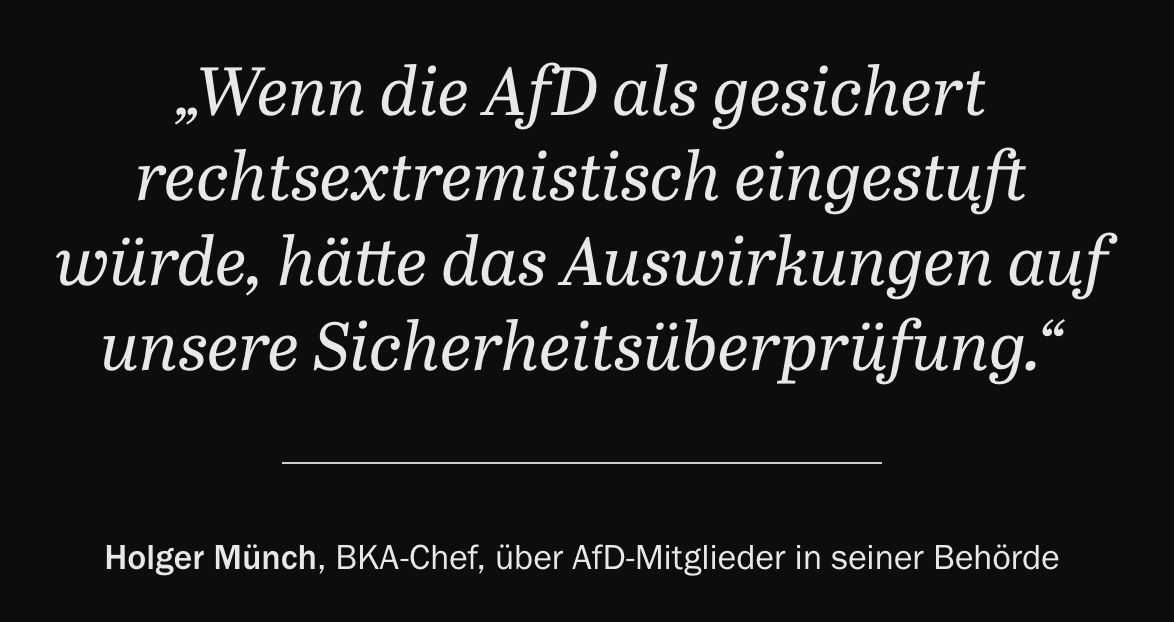
Federal Criminal Police Office President Holger Münch publicly warned at the end of 2025 about the consequences of possible AfD government participation at state level. In an interview with Tagesspiegel, he raised the question of what would happen should the AfD come into government responsibility in a federal state next year. The party could then have access to protected and sensitive data and information, which would have implications for overarching cooperation. While Münch did not advocate deleting all information as a precaution, he emphasized the need to consider how openly information could be shared within the network.

Backroom Maneuvers Bypass Democratic Process

These far-reaching measures are being discussed exclusively in closed-door sessions. The traditional fireside round and other unofficial gatherings serve as venues for planning structural changes to Germany’s federal system that would normally require extensive constitutional and parliamentary scrutiny. The approach raises fundamental questions about democratic legitimacy when established parties collaborate to preemptively neutralize the authority of elected officials from a party currently polling near majority levels in multiple German states.

With information from Nius

Share:
Dimitris Papafotis
Dimitris Papafotis

Dimitris Papafotis is the editor-in-chief of NewsFire.GR. He was born and raised in Athens. He studied at the Journalism Workshop (1991-1993). He currently lives in Pyrgos, Ilia, where he has been active in radio and various newspapers, while also maintaining his personal blog, Papafotis.gr.

German interior ministers are reportedly plotting behind closed doors to fundamentally restructure the country’s security architecture in order to sideline the AfD, should the party enter government in federal states later this year. The discussions, taking place at the Interior Ministers Conference in Hamburg this week, involve scrapping core principles of German federalism and limiting access to classified information for democratically elected officials.

According to Nius, the 225th Interior Ministers Conference, which runs from June 17 to 19 in Hamburg, has made the potential AfD government participation its unofficial centerpiece. While not formally on the agenda, ministers from federal and state levels are intensively discussing measures that could deny a possible AfD-led government access to central components of Germany’s security infrastructure.

AfD Dominates Backroom Talks Despite Official Silence

The scenario of AfD government participation in Saxony-Anhalt or Mecklenburg-Western Pomerania is not being openly addressed on the conference’s formal schedule. Several ministers, primarily from CDU-led states, reject public discussion of the matter to avoid providing the AfD with additional campaign ammunition during the election period. However, multiple sources confirm that concrete plans already exist for restructuring how Germany’s entire security architecture operates.

Ulrich Siegmund werden in Sachsen-Anhalt die besten Chancen auf eine AfD-Regierung eingeräumt. In Umfragen steht die AfD kurz vor der absoluten Mehrheit.
Photo: nius.de

In Saxony-Anhalt, Ulrich Siegmund is considered to have the best chances of leading an AfD government. Polling data shows the party approaching an absolute majority in the state.

Unanimity Principle Targeted for Elimination

Um eine mögliche AfD-Regierung zu schwächen, soll das Einstimmigkeitsprinzip der IMK fallen.
Photo: nius.de

A central point of discussion involves abandoning the unanimity principle that has governed Interior Ministers Conference decisions. This principle exists to prevent any federal state from being simply outvoted. Should an AfD interior minister join the table in the future, participants are considering bypassing this requirement entirely. Future conference decisions could then be made against the will of a democratically legitimated state interior minister, effectively abolishing a core principle of German federalism: the equal standing of federal states.

Information Blockade Planned for AfD Ministers

Another sensitive area concerns access to confidential security agency information. Officials are exploring options to deny one or more potential AfD interior ministers access to classified intelligence. North Rhine-Westphalia’s Interior Minister Herbert Reul acknowledged this difficulty at a state press conference in May, asking how such restrictions could be prevented when dealing with elected government representatives. He admitted he had no answer. This approach would violate the constitutional principle of equal treatment of federal states and their governments.

Der Bundesinnenminister Alexander Dobrindt (r) und Sinan Selen, Präsident des Bundesamtes für Verfassungsschutz (2.v.r)
Photo: nius.de

Federal Agency Expansion at States’ Expense

Discussions also include strengthening the central coordination function of the Federal Office for the Protection of the Constitution. A draft resolution from Mecklenburg-Western Pomerania reportedly already exists. While officially framed as improved coordination, such strengthening could in practice serve to consolidate sensitive information at the federal level, thereby limiting the influence of an AfD interior minister at state level.

Particularly notable is that this competence shift is occurring not against the states, but with their cooperation. Several state interior ministers show willingness to surrender influence and information to the federal government, provided it serves to contain the AfD. Constitutionally, this presents problems: Germany’s Basic Law assigns central aspects of security policy to the states. Strengthening the federal agency’s central function shifts the power balance between federation and states. The states are thus engineering their own disempowerment, with long-term consequences for security federalism that remain difficult to predict.

Holger Münch, Präsident des BKA, in einem Interview mit dem „Tagesspiegel“
Photo: nius.de

Federal Criminal Police Chief Also Supports Information Denial

Federal Criminal Police Office President Holger Münch publicly warned at the end of 2025 about the consequences of possible AfD government participation at state level. In an interview with Tagesspiegel, he raised the question of what would happen should the AfD come into government responsibility in a federal state next year. The party could then have access to protected and sensitive data and information, which would have implications for overarching cooperation. While Münch did not advocate deleting all information as a precaution, he emphasized the need to consider how openly information could be shared within the network.

Backroom Maneuvers Bypass Democratic Process

These far-reaching measures are being discussed exclusively in closed-door sessions. The traditional fireside round and other unofficial gatherings serve as venues for planning structural changes to Germany’s federal system that would normally require extensive constitutional and parliamentary scrutiny. The approach raises fundamental questions about democratic legitimacy when established parties collaborate to preemptively neutralize the authority of elected officials from a party currently polling near majority levels in multiple German states.

With information from Nius

