Necessary Cookies

Required for the site to function. Cannot be disabled.

Analytics Cookies

Help us understand how visitors interact with our site (Google Analytics via GTM).

Marketing Cookies

Used to track visitors and deliver personalised advertisements.

We use cookies to enhance your browsing experience and analyse site traffic. By clicking Accept All, you consent to our use of cookies. Privacy Policy
NewsFire Global
Home News Europe World Christianity Culture Wars Opinion Video
Information
About Us Authors Advertising Terms & Conditions Privacy Policy Contact
R2B Media
R2B NEWSFIRE.GR PAPAFOTIS.GR THRACTION HELLENIC CONSERVATIVES RIGHT2THEBONE YT
News Europe

Germany: 51% No Longer See Country As Safe

A majority of Germans have lost confidence in their nation's stability after an Islamist terror attack at a Berlin Pride event, new polling reveals amid mounting frustration over immigration policies.

Dimitris Papafotis
Dimitris Papafotis Editor in Chief
AUGUST 3, 2026 AT 3:49 PM

According to The European Conservative, the survey shows more than half of German respondents now view their country as neither stable nor safe in the wake of the attack. The findings underscore a broader collapse in public trust as citizens confront the consequences of years of unchecked migration.

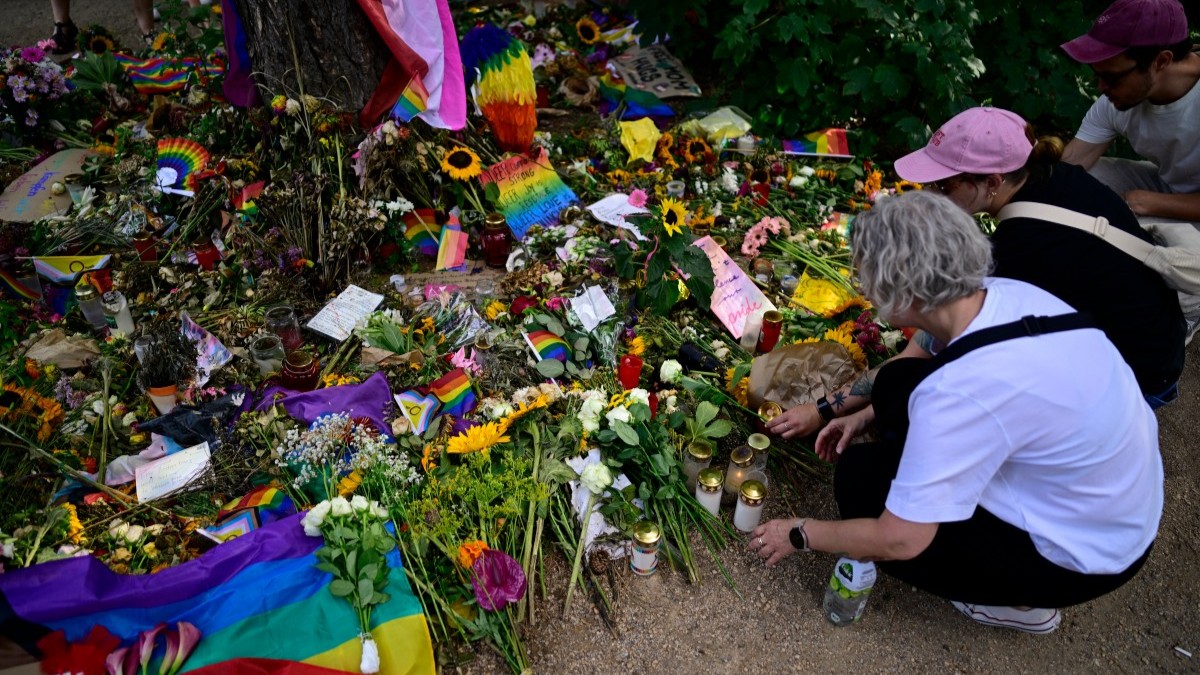
The attack targeted participants and attendees at Pride celebrations in the German capital, sending shockwaves through a nation already grappling with rising security concerns. Authorities have confirmed the incident was motivated by Islamist extremism, though details about the perpetrator and the scope of casualties remain under investigation.

The polling results point to a dramatic shift in German public opinion. For years, mainstream political leaders and media outlets downplayed security risks associated with mass migration, dismissing critics as alarmist or extremist. That narrative appears to be crumbling as ordinary Germans witness firsthand the failures of open-border policies.

The attack comes amid a broader pattern of Islamist violence across Europe, where cities from Paris to Vienna have experienced deadly assaults carried out by radicals who entered as migrants or were radicalized within immigrant communities. Germany, which accepted over a million asylum seekers during the 2015 migration crisis, has seen numerous incidents linked to extremism in recent years.

Critics of Berlin’s migration approach argue that policymakers ignored warnings about inadequate vetting procedures and the challenges of integrating large populations from culturally incompatible regions. The latest attack and subsequent polling suggest those concerns have now penetrated mainstream public consciousness.

The German government has faced mounting pressure to reverse course on immigration, with conservative and populist parties gaining ground by promising stricter border controls and deportation measures. Whether Chancellor Olaf Scholz’s coalition will respond with substantive policy changes or continue defending the status quo remains to be seen.

As citizens across Germany reassess their country’s direction, the poll indicates a watershed moment in public attitudes toward security and migration—one that could reshape the political landscape ahead of future elections.

With information from The European Conservative

Share:
Dimitris Papafotis
Dimitris Papafotis

Dimitris Papafotis is the editor-in-chief of NewsFire.GR. He was born and raised in Athens. He studied at the Journalism Workshop (1991-1993). He currently lives in Pyrgos, Ilia, where he has been active in radio and various newspapers, while also maintaining his personal blog, Papafotis.gr.

Recent News

According to The European Conservative, the survey shows more than half of German respondents now view their country as neither stable nor safe in the wake of the attack. The findings underscore a broader collapse in public trust as citizens confront the consequences of years of unchecked migration.

The attack targeted participants and attendees at Pride celebrations in the German capital, sending shockwaves through a nation already grappling with rising security concerns. Authorities have confirmed the incident was motivated by Islamist extremism, though details about the perpetrator and the scope of casualties remain under investigation.

The polling results point to a dramatic shift in German public opinion. For years, mainstream political leaders and media outlets downplayed security risks associated with mass migration, dismissing critics as alarmist or extremist. That narrative appears to be crumbling as ordinary Germans witness firsthand the failures of open-border policies.

The attack comes amid a broader pattern of Islamist violence across Europe, where cities from Paris to Vienna have experienced deadly assaults carried out by radicals who entered as migrants or were radicalized within immigrant communities. Germany, which accepted over a million asylum seekers during the 2015 migration crisis, has seen numerous incidents linked to extremism in recent years.

Critics of Berlin’s migration approach argue that policymakers ignored warnings about inadequate vetting procedures and the challenges of integrating large populations from culturally incompatible regions. The latest attack and subsequent polling suggest those concerns have now penetrated mainstream public consciousness.

The German government has faced mounting pressure to reverse course on immigration, with conservative and populist parties gaining ground by promising stricter border controls and deportation measures. Whether Chancellor Olaf Scholz’s coalition will respond with substantive policy changes or continue defending the status quo remains to be seen.

As citizens across Germany reassess their country’s direction, the poll indicates a watershed moment in public attitudes toward security and migration—one that could reshape the political landscape ahead of future elections.

With information from The European Conservative