Necessary Cookies

Required for the site to function. Cannot be disabled.

Analytics Cookies

Help us understand how visitors interact with our site (Google Analytics via GTM).

Marketing Cookies

Used to track visitors and deliver personalised advertisements.

We use cookies to enhance your browsing experience and analyse site traffic. By clicking Accept All, you consent to our use of cookies. Privacy Policy
NewsFire Global
Home News Europe World Christianity Culture Wars Opinion
Information
About Us Authors Advertising Terms & Conditions Privacy Policy Contact
R2B Media
R2B NEWSFIRE.GR PAPAFOTIS.GR THRACTION HELLENIC CONSERVATIVES RIGHT2THEBONE YT
News World

Four More Tankers Pass Through Strait of Hormuz to Asia

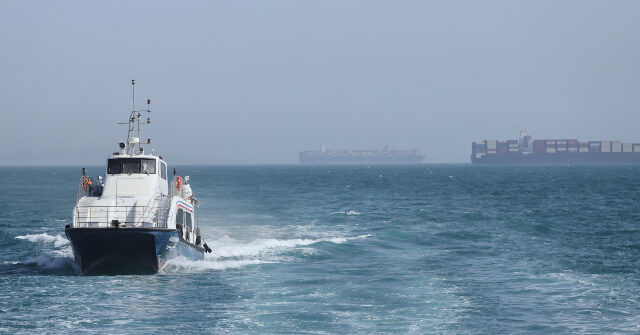
Four cargo vessels carrying natural gas and oil successfully navigated through the Strait of Hormuz over the weekend using evasive tactics after being trapped for months by Iranian attacks.

Dimitris Papafotis
Dimitris Papafotis Editor in Chief
MAY 26, 2026 AT 12:03 AM

The ships included three liquefied natural gas tankers bound for Pakistan, China, and India, along with a very large crude carrier transporting Iraqi oil to China. Most notably, a fourth tanker carrying roughly 2 million barrels of Iraqi crude appears to have escaped the Persian Gulf after being trapped there for nearly three months.

Electronic Warfare and Dark Navigation

Ship tracking firms LSEG and Kpler monitored the vessels’ movements, though all four employed various evasive tactics including shutting down or deliberately falsifying their electronic tracking signals. Maritime analysts were forced to extrapolate positions based on last known coordinates and visual sightings.

The LNG tanker Fuwairit provided the most reliable tracking data, successfully clearing the strait on Monday with an expected Tuesday arrival in Pakistan. The Bahamas-flagged vessel, owned by Japan’s Mitsui O.S.K. Lines, departed Qatar’s Ras Laffan port in late March carrying LNG cargo. Company officials refused to discuss the ship’s movements or explain how safe passage was secured through waters plagued by Iranian terrorist attacks.

Three-Day Blackout Precedes Chinese Delivery

A second LNG carrier, the Al Rayyan, was last spotted in the Persian Gulf on May 22 before going completely silent for three days. The vessel dramatically reappeared beyond the Strait of Hormuz on Monday, sailing past Muscat toward China with an expected June 27 arrival. Owned by Kawasaki Kisen Kaisha and operated by Qatar’s state-owned QatarEnergy, neither entity would address media questions about the transit.

The third LNG tanker, Al Hamra, disappeared from tracking systems for the longest duration after going dark on April 19. It suddenly materialized on Saturday off India’s coast, becoming the first vessel from the Persian Gulf destined for India to successfully traverse the strait since Iranian terror operations commenced. India typically receives nearly half its LNG from Qatar and the United Arab Emirates, but those supply lines were severed to zero when Iran effectively closed the waterway.

Shadow Loading Operations at UAE Facility

According to Kpler analysis, the Al Hamra was empty when it vanished but somehow loaded LNG from the Das Island export facility during its blackout period. The facility is operated by the Abu Dhabi National Oil Company. Multiple vessels have been visually confirmed taking on cargo at Das Island with transponders disabled.

The Al Hamra represents the third ship owned by ADNOC Logistics and Services to successfully transit the strait since the crisis began. The previous two deliveries went to Japan and China, while this vessel heads to western India. ADNOC declined all comment requests regarding how its ships avoided Iranian interference.

Iraqi Crude Breaks Three-Month Blockade

The fourth vessel, the Very Large Crude Carrier Eagle Verona, completed its passage on Saturday and is now sailing toward Ningbo in eastern China. Singapore-flagged and owned by Malaysian state shipper MISC, the vessel has been chartered by China’s Sinopec and carries approximately 2 million barrels of Iraqi crude. Both Sinopec and MISC refused to discuss the transit.

Maritime intelligence firm Windward AI reported Monday that the Eagle Verona deployed intensive electronic warfare measures during its passage, as Breitbart News reports. The firm noted GPS jamming and deliberate disabling of Automatic Identification Systems in what it characterized as efforts to mitigate targeting risks during the high-stakes exit.

Evidence Suggests No Iranian Cooperation

Windward’s assessment indicates the Eagle Verona likely did not coordinate its transit with Iran’s Islamic Revolutionary Guard Corps, which has reportedly extorted substantial ransom payments from some vessels seeking to leave the Persian Gulf.

The intelligence firm’s Monday analysis identified what appears to be a sophisticated multi-node staging architecture developing off Iran’s coast, including numerous tankers going dark and hugging the Iranian coastline in an apparent Iranian effort to evade the U.S. blockade.

In a potentially related development, the UAE port of Fujairah loaded a South Korean VLCC with 1.35 million barrels of crude on Sunday, possibly signaling expectations that the Strait of Hormuz may reopen under a U.S.-Iran agreement.

With information from Breitbart News

Share:
Dimitris Papafotis
Dimitris Papafotis

Dimitris Papafotis is the editor-in-chief of NewsFire.GR. He was born and raised in Athens. He studied at the Journalism Workshop (1991-1993). He currently lives in Pyrgos, Ilia, where he has been active in radio and various newspapers, while also maintaining his personal blog, Papafotis.gr.

The ships included three liquefied natural gas tankers bound for Pakistan, China, and India, along with a very large crude carrier transporting Iraqi oil to China. Most notably, a fourth tanker carrying roughly 2 million barrels of Iraqi crude appears to have escaped the Persian Gulf after being trapped there for nearly three months.

Electronic Warfare and Dark Navigation

Ship tracking firms LSEG and Kpler monitored the vessels’ movements, though all four employed various evasive tactics including shutting down or deliberately falsifying their electronic tracking signals. Maritime analysts were forced to extrapolate positions based on last known coordinates and visual sightings.

The LNG tanker Fuwairit provided the most reliable tracking data, successfully clearing the strait on Monday with an expected Tuesday arrival in Pakistan. The Bahamas-flagged vessel, owned by Japan’s Mitsui O.S.K. Lines, departed Qatar’s Ras Laffan port in late March carrying LNG cargo. Company officials refused to discuss the ship’s movements or explain how safe passage was secured through waters plagued by Iranian terrorist attacks.

Three-Day Blackout Precedes Chinese Delivery

A second LNG carrier, the Al Rayyan, was last spotted in the Persian Gulf on May 22 before going completely silent for three days. The vessel dramatically reappeared beyond the Strait of Hormuz on Monday, sailing past Muscat toward China with an expected June 27 arrival. Owned by Kawasaki Kisen Kaisha and operated by Qatar’s state-owned QatarEnergy, neither entity would address media questions about the transit.

The third LNG tanker, Al Hamra, disappeared from tracking systems for the longest duration after going dark on April 19. It suddenly materialized on Saturday off India’s coast, becoming the first vessel from the Persian Gulf destined for India to successfully traverse the strait since Iranian terror operations commenced. India typically receives nearly half its LNG from Qatar and the United Arab Emirates, but those supply lines were severed to zero when Iran effectively closed the waterway.

Shadow Loading Operations at UAE Facility

According to Kpler analysis, the Al Hamra was empty when it vanished but somehow loaded LNG from the Das Island export facility during its blackout period. The facility is operated by the Abu Dhabi National Oil Company. Multiple vessels have been visually confirmed taking on cargo at Das Island with transponders disabled.

The Al Hamra represents the third ship owned by ADNOC Logistics and Services to successfully transit the strait since the crisis began. The previous two deliveries went to Japan and China, while this vessel heads to western India. ADNOC declined all comment requests regarding how its ships avoided Iranian interference.

Iraqi Crude Breaks Three-Month Blockade

The fourth vessel, the Very Large Crude Carrier Eagle Verona, completed its passage on Saturday and is now sailing toward Ningbo in eastern China. Singapore-flagged and owned by Malaysian state shipper MISC, the vessel has been chartered by China’s Sinopec and carries approximately 2 million barrels of Iraqi crude. Both Sinopec and MISC refused to discuss the transit.

Maritime intelligence firm Windward AI reported Monday that the Eagle Verona deployed intensive electronic warfare measures during its passage, as Breitbart News reports. The firm noted GPS jamming and deliberate disabling of Automatic Identification Systems in what it characterized as efforts to mitigate targeting risks during the high-stakes exit.

Evidence Suggests No Iranian Cooperation

Windward’s assessment indicates the Eagle Verona likely did not coordinate its transit with Iran’s Islamic Revolutionary Guard Corps, which has reportedly extorted substantial ransom payments from some vessels seeking to leave the Persian Gulf.

The intelligence firm’s Monday analysis identified what appears to be a sophisticated multi-node staging architecture developing off Iran’s coast, including numerous tankers going dark and hugging the Iranian coastline in an apparent Iranian effort to evade the U.S. blockade.

In a potentially related development, the UAE port of Fujairah loaded a South Korean VLCC with 1.35 million barrels of crude on Sunday, possibly signaling expectations that the Strait of Hormuz may reopen under a U.S.-Iran agreement.

With information from Breitbart News

