
Former Intelligence Chief Fears Worst Over AfD Interior Minister
A former Brandenburg intelligence chief warns that if Germany's AfD party controls Saxony-Anhalt's Interior Ministry, it could dismantle state security within days by replacing key officials.

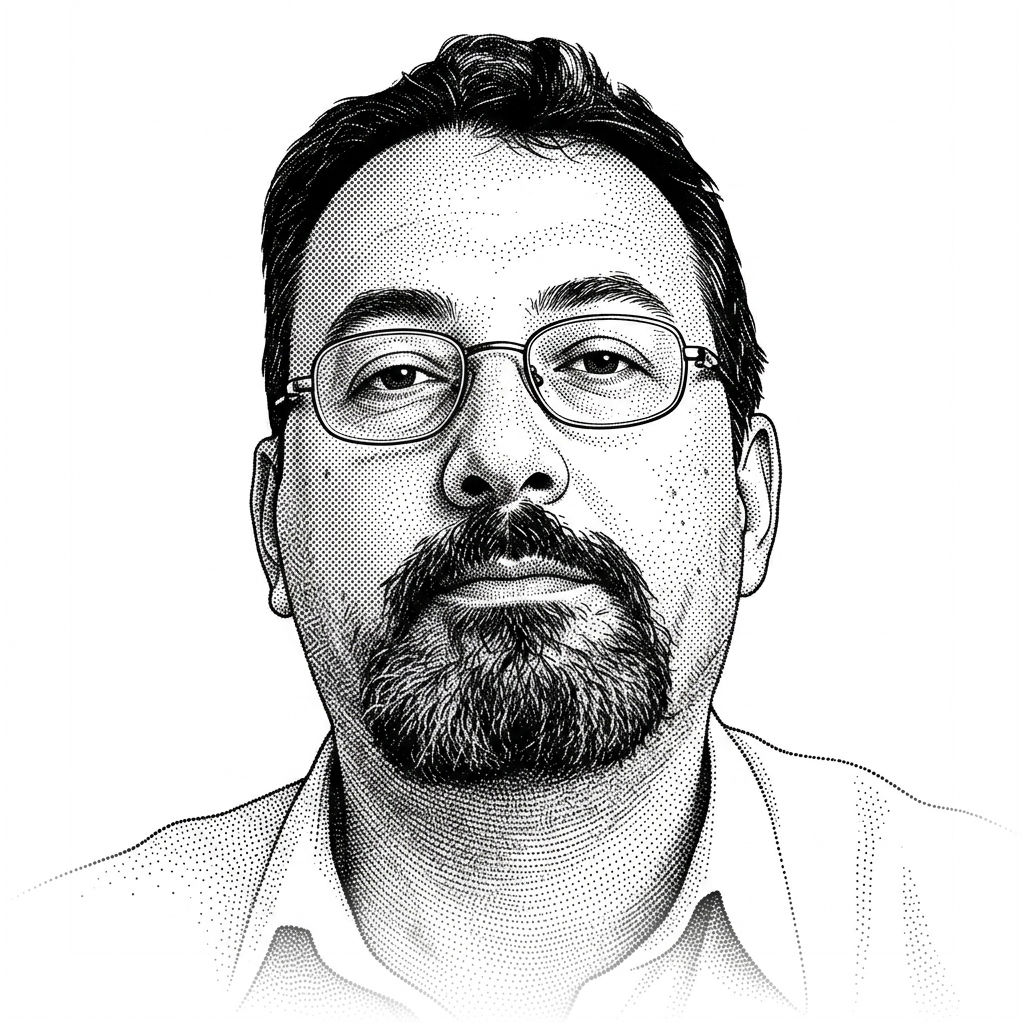
Jörg Müller, who previously led Brandenburg’s Office for the Protection of the Constitution, told German media that a relatively small state like Saxony-Anhalt has a manageable number of senior security officials wielding significant influence, according to Junge Freiheit. These include the head of domestic intelligence, state secretaries, and the president and vice president of the administrative office.
Rapid Personnel Changes Possible
Müller warned that these political appointees could be placed into temporary retirement and replaced with a single phone call on the very first day of an AfD administration. The former intelligence chief predicted that following such personnel changes, the AfD would set new political priorities in combating extremism.
While Müller acknowledged that replacing political appointees during government transitions is standard practice, he emphasized a fundamental difference when it comes to the AfD. The party, currently classified as right-wing extremist by domestic intelligence services, would gain access to the very agency monitoring its activities. Müller stressed this would be unprecedented in the history of the Federal Republic.
Access to Confidential Intelligence
From day one of controlling the Interior Ministry, the AfD would know everything about confidential situation reports, intelligence on extremists, informant structures, and even human sources within the AfD itself, Junge Freiheit reports Müller as saying.
The former intelligence chief outlined what he considers a likely scenario under AfD control: surveillance of the AfD would cease, and the right-wing extremism division would no longer be staffed. Instead, employees would be directed to focus on left-wing extremism, Islamism, and climate extremism. All resources would flow exclusively into these areas while right-wing networks would be systematically deprioritized, Müller predicted.
Siegmund’s Personnel Plans Seen as Threat
Ulrich Siegmund, the AfD’s top candidate in Saxony-Anhalt, has announced plans to replace hundreds of civil servants following a potential government takeover. Müller interprets this announcement as a clear threat to top-level working officials. He maintains contact with many people in state agencies who are concerned about these prospects.
If an AfD politician assumes the Interior Ministry, Müller believes it should be examined whether positions such as intelligence chief or other security-critical leadership roles could be removed from the political appointee framework. Specifically, he suggested fixed terms of office, clearly regulated recall procedures, and stronger parliamentary oversight.
Whistleblower Protections Proposed
Müller also called for whistleblower structures similar to those already existing in Brandenburg, where intelligence employees can approach the Parliamentary Control Committee if they believe their employer is demanding something illegal from them.
Concerns Over Interior Ministers Conference
Regarding the Interior Ministers Conference, where all state and federal interior ministers participate and decisions require unanimous approval, Müller proposed significant structural changes. He suggested qualified majorities for particularly important decisions, subgroups with special confidentiality levels, or formalized bilateral channels. This would create legal structures allowing exchanges between certain states to be organized more closely and confidentially.
While acknowledging this would represent a massive step, Müller argued that security agencies do not operate according to party-political logic but according to security interests.
International Intelligence Cooperation at Risk
Müller identified international cooperation with other intelligence services as another major danger under an AfD-controlled domestic intelligence agency. Such joint projects are based on trust, which can disappear very quickly.
Many foiled terrorist attacks in Germany were prevented because of information from partner states, Müller noted. He characterized it as a very real risk that the Federal Republic could be excluded from such intelligence sharing.
With information from Junge Freiheit





