
Fed’s Preferred Inflation Gauge Rises Less Than Expected in April
The Federal Reserve's preferred inflation gauge rose 0.4 percent in April, below the expected 0.5 percent increase, while core PCE inflation climbed 0.2 percent, both decelerating from March.

The personal consumption expenditures price index climbed 0.4 percent last month compared with March, the Commerce Department’s Bureau of Economic Analysis reported. Economists had anticipated a 0.5 percent rise.
April’s increase represents a deceleration from March, when the index surged 0.7 percent. Year-over-year, PCE prices advanced 3.8 percent—well above the Federal Reserve’s stated target of two percent annual inflation.
Core Inflation Undershoots Forecasts
Core PCE inflation, which strips out volatile food and energy prices, rose 0.2 percent in April and 3.3 percent over the past twelve months. Forecasters had expected a 0.3 percent monthly increase to match March’s gain, as Breitbart News reports.
Goods prices increased 0.7 percent for the month, a notable slowdown from March’s 1.4 percent jump. On an annual basis, goods prices have climbed 4.3 percent.
Durable goods prices moved up 0.6 percent in April, with recreational goods leading the way at 1.6 percent, while prices for automobiles, household furnishings, and appliances declined. Year-over-year, durable goods prices stand 3.2 percent higher.
Energy and Gasoline Drive Nondurable Price Surge
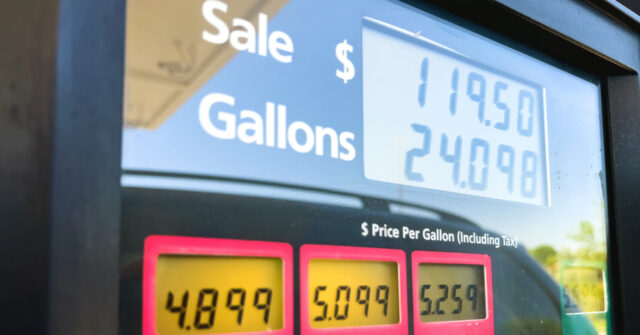
Nondurable goods prices rose 0.8 percent in April, propelled by a 5.5 percent spike in gasoline and other energy costs. These prices are up 4.9 percent year-over-year.
The April gasoline and energy price increase followed an extraordinary 20.9 percent surge in March, pushing the annual increase to 28.9 percent. Clothing and footwear prices climbed sharply for the fifth consecutive month and now sit 3.7 percent above year-ago levels.
Food and beverage prices advanced 0.5 percent after edging down 0.1 percent in March. Grocery prices have risen 2.6 percent over the past year.
Housing Prices Post Largest Monthly Gain in Over a Year
Services prices increased 0.3 percent for the third straight month, bringing the year-over-year advance to 3.6 percent. Housing prices jumped 0.5 percent—the largest monthly increase in more than a year—for an annual gain of 3.3 percent.
Health care prices rose a modest 0.1 percent in April and 2.9 percent from a year earlier.
The PCE price index tracks the Labor Department’s consumer price index but measures inflation across a broader swath of the economy, including goods and services purchased on behalf of consumers by employers and charities. It also adjusts more rapidly when consumers alter their purchasing patterns.
Consumer Spending Up, Real Income Down
Consumer spending jumped 0.5 percent compared with the prior month, driven largely by higher prices. After adjusting for inflation, real consumer spending rose just 0.1 percent.
Inflation-adjusted spending on core goods declined 0.2 percent, while services spending increased 0.3 percent.
Personal income remained flat for the month, while disposable or after-tax income fell 0.1 percent. After inflation adjustments, disposable income dropped 0.5 percent—a decline attributed to reduced farm income resulting from lower payments under the Farmer Bridge Assistance Program, a one-time initiative designed to stabilize farm income during the transition to new farm bill provisions under the One Big Beautiful Bill Act.
Wage Growth Lags Behind Headline Inflation
Aggregate wages and salaries rose 0.24 percent in April and are up 3.53 percent year-over-year, trailing the broad measure of price increases. Private sector wages and salaries climbed 0.25 percent monthly and 3.86 percent annually, roughly matching headline PCE inflation.
With information from Breitbart News





