Necessary Cookies

Required for the site to function. Cannot be disabled.

Analytics Cookies

Help us understand how visitors interact with our site (Google Analytics via GTM).

Marketing Cookies

Used to track visitors and deliver personalised advertisements.

We use cookies to enhance your browsing experience and analyse site traffic. By clicking Accept All, you consent to our use of cookies. Privacy Policy
NewsFire Global
Home News Europe World Christianity Culture Wars Opinion Video
Information
About Us Authors Advertising Terms & Conditions Privacy Policy Contact
R2B Media
R2B NEWSFIRE.GR PAPAFOTIS.GR THRACTION HELLENIC CONSERVATIVES RIGHT2THEBONE YT
News Europe

Federal Youth Sports Games to Return as Real Competition

Germany's education ministers reversed a one-year ban on competitive rankings for elementary athletics, restoring performance measurements for third and fourth graders starting next school year.

Dimitris Papafotis
Dimitris Papafotis Editor in Chief
JUNE 12, 2026 AT 5:51 PM

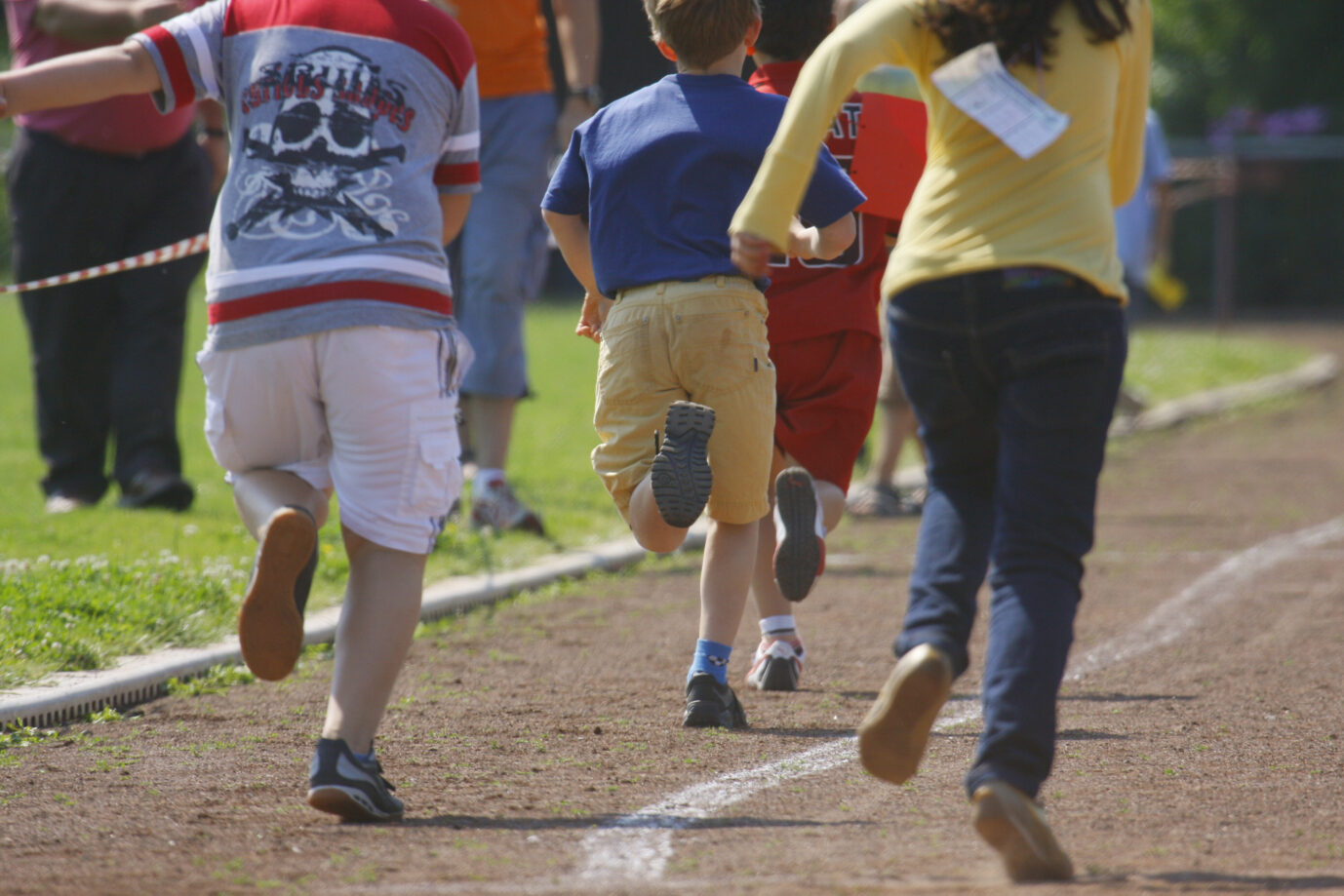
The Education Ministers’ Conference announced on Thursday in Munich that starting from the next school year, third and fourth grade students will once again have their performances in track and field events and swimming precisely measured and ranked, according to Junge Freiheit.

The change marks a swift reversal of policy implemented for the 2023-2024 school year, when education ministers recommended abandoning competitive formats for the Federal Youth Games in third and fourth grades. Under that directive, exact results were not to be recorded, eliminating performance tables and rankings on participation certificates. Previously, only first and second grades had been subject to the non-competitive format.

States Rejected Non-Competitive Model From the Start

Several German states immediately rejected the non-competitive approach when it was introduced. Hesse instructed its schools to record rankings on certificates when conducting competitions, as stated on the Hessian Education Ministry’s website.

Other states including Bavaria and North Rhine-Westphalia left the decision to individual schools, allowing them to choose which format to implement. Meanwhile, Rhineland-Palatinate and Hamburg introduced the competitive mode outright.

The Federal Ministry of Education had been particularly vocal in opposing competitive formats for youth sports. The agency, which reports to Karin Prien of the CDU, stated on its website that the non-competitive format was recommended for all sports up to grade 6.

Schools Now Have Freedom to Choose

Going forward, schools will have both options available to them. Anna Stolz, Bavaria’s Education Minister from the Free Voters party and current president of the Education Ministers’ Conference, told the news agency dpa that schools can now offer both competitive and non-competitive formats. She expressed strong support for the competitive option, stating it ultimately strengthens a positive performance culture.

The Education Ministers’ Conference is one of three subcommittees of the Standing Conference of the Ministers of Education and Cultural Affairs. Its decisions take the form of recommendations, agreements, or framework regulations that states implement on a voluntary basis.

With information from Junge Freiheit

Share:
Dimitris Papafotis
Dimitris Papafotis

Dimitris Papafotis is the editor-in-chief of NewsFire.GR. He was born and raised in Athens. He studied at the Journalism Workshop (1991-1993). He currently lives in Pyrgos, Ilia, where he has been active in radio and various newspapers, while also maintaining his personal blog, Papafotis.gr.

Recent News

The Education Ministers’ Conference announced on Thursday in Munich that starting from the next school year, third and fourth grade students will once again have their performances in track and field events and swimming precisely measured and ranked, according to Junge Freiheit.

The change marks a swift reversal of policy implemented for the 2023-2024 school year, when education ministers recommended abandoning competitive formats for the Federal Youth Games in third and fourth grades. Under that directive, exact results were not to be recorded, eliminating performance tables and rankings on participation certificates. Previously, only first and second grades had been subject to the non-competitive format.

States Rejected Non-Competitive Model From the Start

Several German states immediately rejected the non-competitive approach when it was introduced. Hesse instructed its schools to record rankings on certificates when conducting competitions, as stated on the Hessian Education Ministry’s website.

Other states including Bavaria and North Rhine-Westphalia left the decision to individual schools, allowing them to choose which format to implement. Meanwhile, Rhineland-Palatinate and Hamburg introduced the competitive mode outright.

The Federal Ministry of Education had been particularly vocal in opposing competitive formats for youth sports. The agency, which reports to Karin Prien of the CDU, stated on its website that the non-competitive format was recommended for all sports up to grade 6.

Schools Now Have Freedom to Choose

Going forward, schools will have both options available to them. Anna Stolz, Bavaria’s Education Minister from the Free Voters party and current president of the Education Ministers’ Conference, told the news agency dpa that schools can now offer both competitive and non-competitive formats. She expressed strong support for the competitive option, stating it ultimately strengthens a positive performance culture.

The Education Ministers’ Conference is one of three subcommittees of the Standing Conference of the Ministers of Education and Cultural Affairs. Its decisions take the form of recommendations, agreements, or framework regulations that states implement on a voluntary basis.

With information from Junge Freiheit