
Fauci Turns Accountability Into The Villain
Public officials who invoke constitutional protections often deflect accountability by reframing scrutiny as the problem rather than addressing their decisions, undermining democratic oversight.
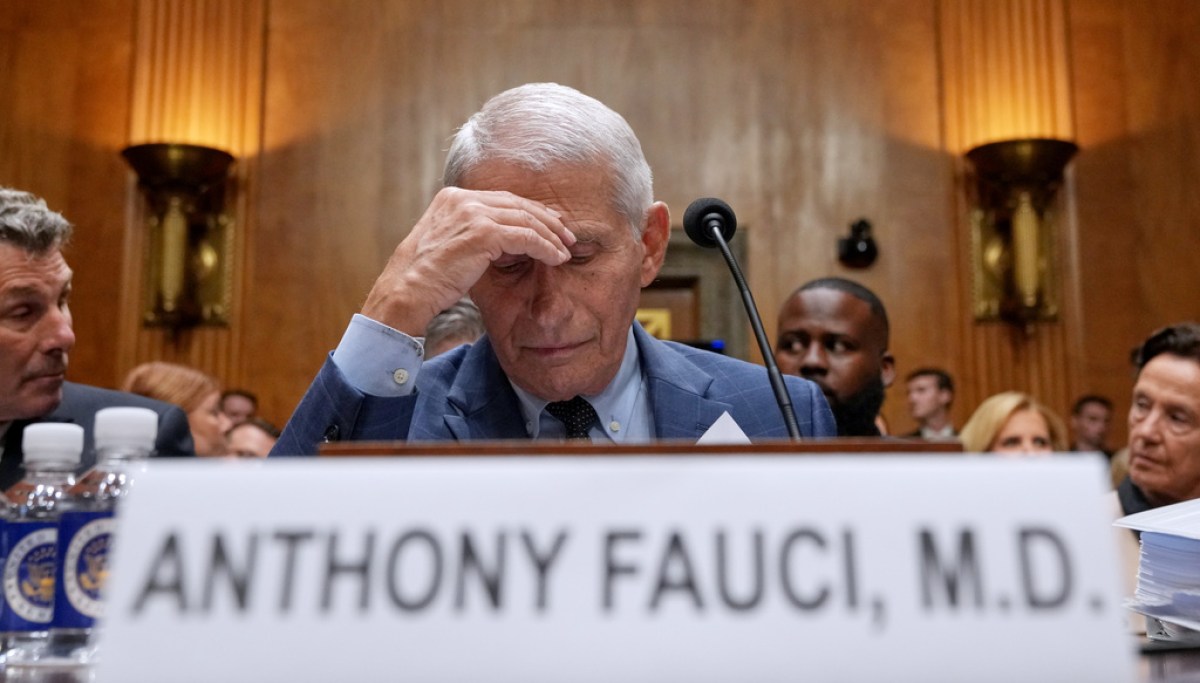

Following Dr. Anthony Fauci’s decision to invoke the Fifth Amendment before the Senate Homeland Security Committee last week, Sen. Andy Kim (D-NJ) raised concerns that the hearing could deter scientists from entering public service. According to Jonathan Alpert writing in Washington Examiner, Kim suggested young researchers would reconsider careers in public health after witnessing one of America’s most prominent public health officials face years of investigations and public scrutiny.
The focus rapidly pivoted away from examining Fauci’s pandemic-era decisions and toward the alleged dangers of questioning those decisions. Accountability itself became framed as the threat rather than the subject of inquiry.
The Psychology of Deflection
This behavioral pattern appears frequently in therapeutic settings, Alpert notes. When individuals feel cornered, they typically abandon defending their actual decisions and instead defend themselves against having to answer for those choices. The discussion transforms from whether sound judgment was exercised to whether continued questioning remains fair.
While this represents a natural human instinct — most people resist having their mistakes scrutinized — the temptation grows to challenge the criticism rather than confront the underlying issues. People may emphasize how attacked they feel, question critics’ motives, or argue the conversation itself has become unjust.
Effective therapy pushes patients in the opposite direction. They learn to distinguish criticism of decisions from attacks on their character, recognize that uncomfortable questions aren’t inherently hostile, and understand accountability differs from condemnation. Personal growth requires tolerating discomfort rather than evading it. Public institutions should operate by the same psychological standard.
When Scrutiny Becomes the Scapegoat
Kim’s argument didn’t directly defend Fauci’s pandemic policies but rather suggested prolonged scrutiny might discourage talented scientists from public service. While understandable, this concern inverts accountability. The question shifts quietly from whether officials exercised proper judgment to whether the public should continue asking.
This pattern extends far beyond public health. Universities, corporations, government agencies, and other institutions now respond to criticism by emphasizing the dangers of criticism itself. The conversation migrates from “Did we make the right decision?” to “What happens if people keep questioning us?” These represent fundamentally different inquiries.
The latter question never actually addresses the former. Institutions may correctly identify that relentless public criticism carries costs — discouraging qualified candidates, damaging morale, or complicating difficult positions. Yet these concerns don’t resolve whether original decisions proved sound. They simply redirect attention elsewhere.
Accountability Strengthens, Not Weakens
Accountability and recruitment constitute separate issues. A functioning society can simultaneously care about attracting talented public servants while expecting those wielding extraordinary authority to explain their choices. Conflating these questions doesn’t protect public trust but undermines it.
Hospitals review medical errors. Airlines investigate near misses. Businesses conduct postmortems following failed product launches. Serious organizations don’t avoid these conversations out of concern for discouraging future employees. They recognize honest review strengthens performance, exposes blind spots, and builds confidence that mistakes won’t simply repeat.
Public trust rarely suffers because institutions examine themselves honestly. It deteriorates when they appear more invested in managing criticism than addressing it.
Democracy Demands Oversight
Government merits no exception. Public officials exercise extraordinary authority, particularly during national emergencies. Decisions regarding lockdowns, school closures, vaccine mandates, and public messaging affected virtually every citizen. Reviewing those decisions doesn’t signal democratic failure — it demonstrates democracy functioning properly.
Every profession carrying significant responsibility bears corresponding accountability. Judges face appellate review. Police officers undergo investigation after controversial force incidents. Military commanders answer for operational failures. Corporate executives explain unsuccessful decisions to shareholders and boards. None of these professions argues oversight should diminish because it might discourage talented individuals from serving.
Public service has never included immunity from difficult questions, nor should it. The suggestion that oversight should be curtailed to avoid discouraging future public servants represents a fundamental misunderstanding of democratic governance and the obligations that accompany positions of public trust.
With information from Washington Examiner





