Necessary Cookies

Required for the site to function. Cannot be disabled.

Analytics Cookies

Help us understand how visitors interact with our site (Google Analytics via GTM).

Marketing Cookies

Used to track visitors and deliver personalised advertisements.

We use cookies to enhance your browsing experience and analyse site traffic. By clicking Accept All, you consent to our use of cookies. Privacy Policy
NewsFire Global
Home News Europe World Christianity Culture Wars Opinion Video
Information
About Us Authors Advertising Terms & Conditions Privacy Policy Contact
R2B Media
R2B NEWSFIRE.GR PAPAFOTIS.GR THRACTION HELLENIC CONSERVATIVES RIGHT2THEBONE YT
News Culture Wars

Fast Takes: Unmaking Jason Arday, Left’s War on Parents

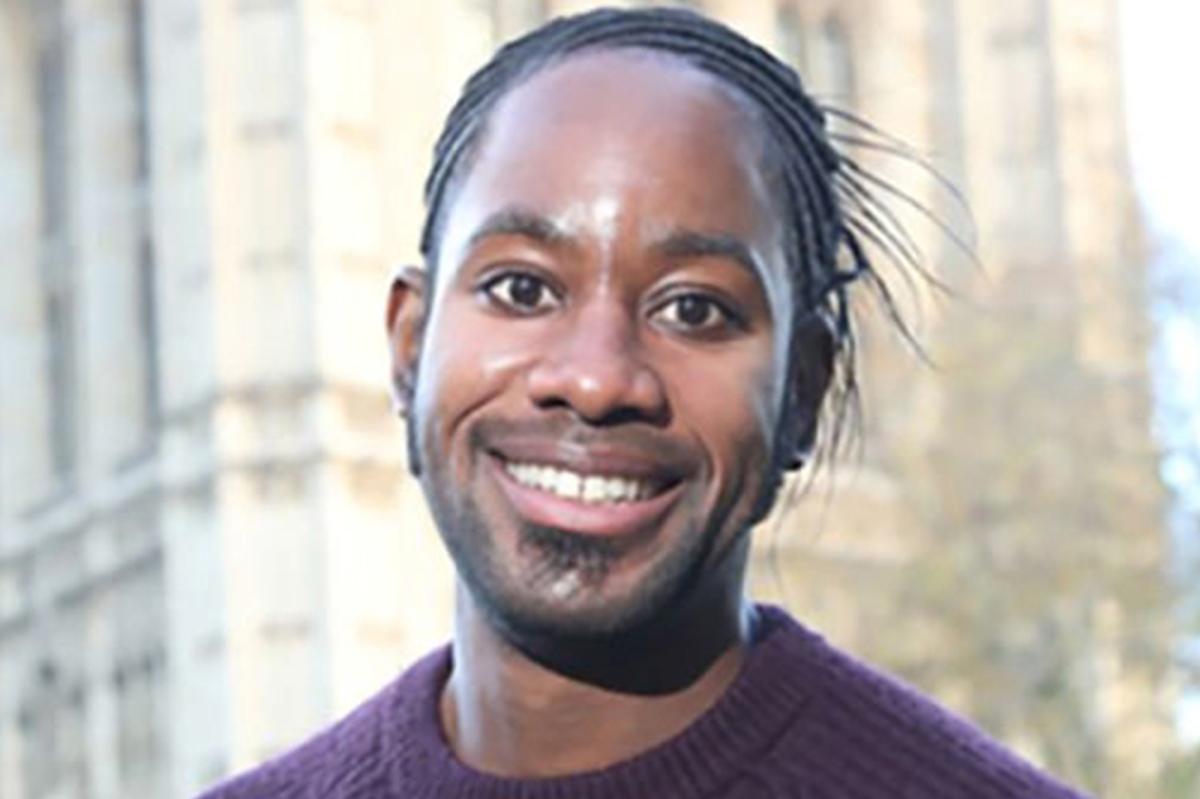
Cambridge University's youngest Black professor Jason Arday committed suicide amid revelations of fabricated credentials and plagiarism, exposing institutional failures in academic vetting.
Stefanos Banos
Stefanos Banos Staff Writer
AUGUST 16, 2026 AT 11:07 PM

Jason Arday, who had been celebrated as a breakthrough figure in British academia, has left behind a complicated legacy that exposes deeper problems within the educational establishment, conservative commentators argue.

From Celebrated Professor to Disgraced Academic

Writing in American Greatness, Roger Kimball acknowledges sympathy for Arday and his family but emphasizes that the late professor’s dishonesty extended beyond mere self-promotion. Arday weaponized accusations of racism against journalists who were investigating his academic credentials, filing police complaints that resulted in a four-month investigation into a reporter simply performing due diligence.

The case has sparked debate over whether Arday should be remembered as a plagiarist or as a victim of racial persecution. Kimball dismisses this as a false choice, asserting that the evidence of plagiarism is indisputable and that Arday was ultimately a victim only of his own fabrications and reckless conduct.

Institutional Failure and Diversity Politics

The scandal points to systemic failures within academia, where an educational establishment eager to promote diversity narratives allegedly enabled Arady’s rise despite warning signs. Critics contend that institutions prioritized optics over academic integrity, allowing Arday to construct what Kimball describes as fantastical, self-aggrandizing narratives that ultimately proved self-destructive.

The controversy underscores ongoing concerns about lowered standards and verification processes when institutions pursue demographic goals rather than merit-based advancement. Arday’s appointment to Cambridge at an unusually young age had been heralded as progress, but the subsequent revelations have damaged trust in academic vetting procedures.

The Cost of Academic Fraud

The case also highlights how false accusations of racism can be wielded as weapons to silence legitimate inquiry. The journalist who faced a lengthy police investigation for investigating Arday’s background represents collateral damage in a culture where diversity considerations can override journalistic and academic scrutiny.

Conservative observers argue that the Arday affair demonstrates the dangers of identity politics infiltrating academic standards and the need for institutions to prioritize truth and excellence over demographic representation.

With information from New York Post

Share:
Stefanos Banos
Stefanos Banos

Stefanos Banos was born in Piraeus and is an editor at NewsFire.GR, specializing in political analysis and international relations. He graduated from the Department of Communication and Media at the University of Bremen in Germany, where he also completed his Master of Arts in Communication and Media Studies. Married to Zoi, he is a proud father of three boys.

Jason Arday, who had been celebrated as a breakthrough figure in British academia, has left behind a complicated legacy that exposes deeper problems within the educational establishment, conservative commentators argue.

From Celebrated Professor to Disgraced Academic

Writing in American Greatness, Roger Kimball acknowledges sympathy for Arday and his family but emphasizes that the late professor’s dishonesty extended beyond mere self-promotion. Arday weaponized accusations of racism against journalists who were investigating his academic credentials, filing police complaints that resulted in a four-month investigation into a reporter simply performing due diligence.

The case has sparked debate over whether Arday should be remembered as a plagiarist or as a victim of racial persecution. Kimball dismisses this as a false choice, asserting that the evidence of plagiarism is indisputable and that Arday was ultimately a victim only of his own fabrications and reckless conduct.

Institutional Failure and Diversity Politics

The scandal points to systemic failures within academia, where an educational establishment eager to promote diversity narratives allegedly enabled Arady’s rise despite warning signs. Critics contend that institutions prioritized optics over academic integrity, allowing Arday to construct what Kimball describes as fantastical, self-aggrandizing narratives that ultimately proved self-destructive.

The controversy underscores ongoing concerns about lowered standards and verification processes when institutions pursue demographic goals rather than merit-based advancement. Arday’s appointment to Cambridge at an unusually young age had been heralded as progress, but the subsequent revelations have damaged trust in academic vetting procedures.

The Cost of Academic Fraud

The case also highlights how false accusations of racism can be wielded as weapons to silence legitimate inquiry. The journalist who faced a lengthy police investigation for investigating Arday’s background represents collateral damage in a culture where diversity considerations can override journalistic and academic scrutiny.

Conservative observers argue that the Arday affair demonstrates the dangers of identity politics infiltrating academic standards and the need for institutions to prioritize truth and excellence over demographic representation.

With information from New York Post