
Europe Scrambles to Fill NATO Gap as US Pulls Back
European NATO members are working to compensate for a major U.S. military drawdown as America shifts forces to the Indo-Pacific, with Secretary General Mark Rutte calling it evidence of the alliance's evolution.
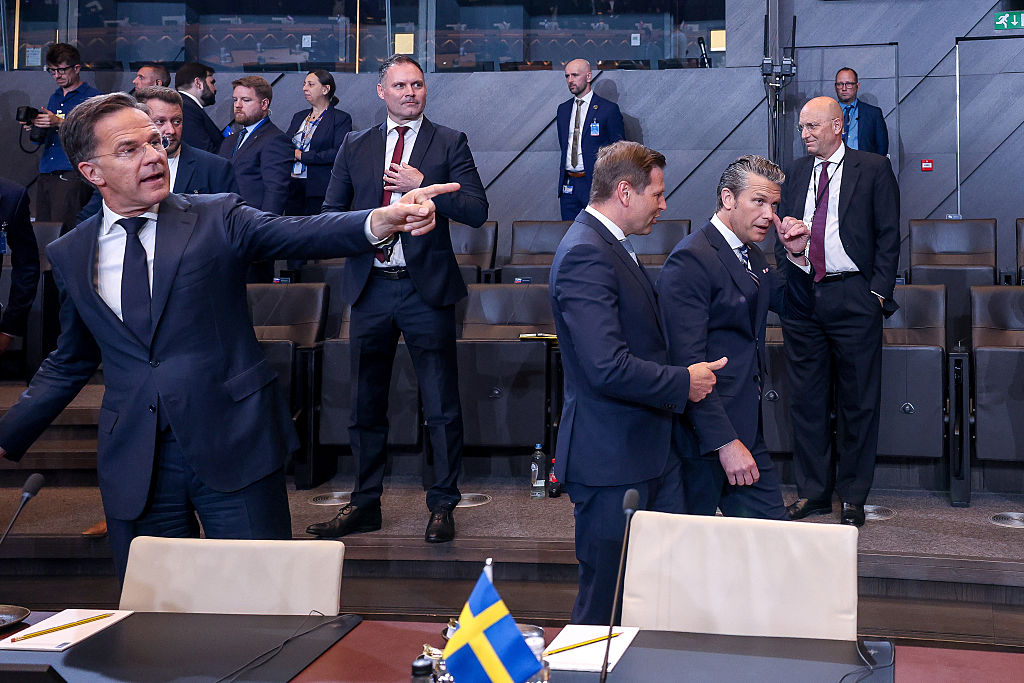

The United States has informed its allies that it intends to reassign a substantial portion of its forces currently stationed in Europe and Canada to other theaters, particularly the Indo-Pacific region, according to Brussels Signal. The redeployment will reduce Washington’s commitment to the NATO Force Model, the operational framework that defines which military assets member states would make available during a crisis.
Spain, Germany, the Netherlands and several other European nations are now working to compensate for the reduced American presence, sources told the Spanish news agency Europa Press. The drawdown is expected to be phased and will not affect the US nuclear deterrent that has shielded Europe throughout the Cold War and beyond.
NATO Secretary General Mark Rutte framed the shift not as a setback but as evidence of the alliance’s evolution. Now the US has adjusted its pledged contributions – and other Allies have stepped up, he said, describing the arrangement as fair and characteristic of what he called NATO 3.0.
Rutte emphasized that it made strategic sense for Europeans to shoulder a greater share of their own defense, pointing out that Europe—including the United Kingdom and Turkey—has a combined population of roughly 600 million, compared to Russia’s 120 to 140 million. He argued the continent ought to be capable of self-defense without leaning so heavily on a transatlantic partner.
This rebalancing is distinct from the withdrawal of approximately 5,000 American troops from Germany announced in May. That pullout came after President Donald Trump reacted angrily to criticism from German Chancellor Friedrich Merz over the US conflict with Iran.
Ministers also assessed progress toward The Hague commitment, reached in 2025, which obligates member states to increase defense spending to five percent of GDP by 2035. Wednesday’s agenda included sessions of the Nuclear Planning Group, the North Atlantic Council, and the Ukraine Defence Contact Group, co-chaired by Germany and the United Kingdom.
The Brussels gathering comes just days after former British defence secretary John Healey resigned on June 11, publicly accusing the British Government and the Treasury of starving the armed forces of necessary funding. In his resignation letter, Healey charged that the Treasury had been unwilling to commit the resources that the nation needs.
His resignation, followed within hours by that of the armed forces minister, has intensified political pressure on Prime Minister Keir Starmer. Italian defence minister Guido Crosetto expressed solidarity with Healey, indicating that even some of the alliance’s wealthier members are struggling to meet the ambitious spending targets.
With information from Brussels Signal





