Necessary Cookies

Required for the site to function. Cannot be disabled.

Analytics Cookies

Help us understand how visitors interact with our site (Google Analytics via GTM).

Marketing Cookies

Used to track visitors and deliver personalised advertisements.

We use cookies to enhance your browsing experience and analyse site traffic. By clicking Accept All, you consent to our use of cookies. Privacy Policy
NewsFire Global
Home News Europe World Christianity Culture Wars Opinion Video
Information
About Us Authors Advertising Terms & Conditions Privacy Policy Contact
R2B Media
R2B NEWSFIRE.GR PAPAFOTIS.GR THRACTION HELLENIC CONSERVATIVES RIGHT2THEBONE YT
News Europe

Europe Faces Scorching Summers as Heatwaves and Wildfires Surge

Europe's summer temperatures once deemed extreme are now routine, bringing mounting economic and human costs as heatwaves, droughts and wildfires become standard features across the continent.

Dimitris Papafotis
Dimitris Papafotis Editor in Chief
AUGUST 3, 2026 AT 8:44 PM

According to Everton Fox writing in Al Jazeera English, Prague is currently experiencing temperatures near 40 degrees Celsius (104 degrees Fahrenheit), conditions that are increasingly becoming standard rather than exceptional. Europe’s Copernicus Climate Change Service reports that late May and June heatwaves brought daily average temperatures exceeding 10C (18F) above normal in portions of France, the United Kingdom and Spain.

Western European temperatures averaged 20.74C (69F) in June, marking an increase of 3.06C (5.4F) above the 1991-2020 average. With some areas recording temperatures well above 40C, extended droughts, devastating wildfires and diminishing river levels have transitioned from anomalies to regular characteristics of European summers.

Scientific research consistently demonstrates that climate change is amplifying both the frequency and severity of extreme weather events. Heatwaves are now lasting longer, arriving earlier in the season and impacting multiple countries concurrently. The ramifications reach far beyond discomfort, fundamentally altering ecosystems, economic structures and everyday existence throughout much of the continent.

Wildfire Threat Intensifies

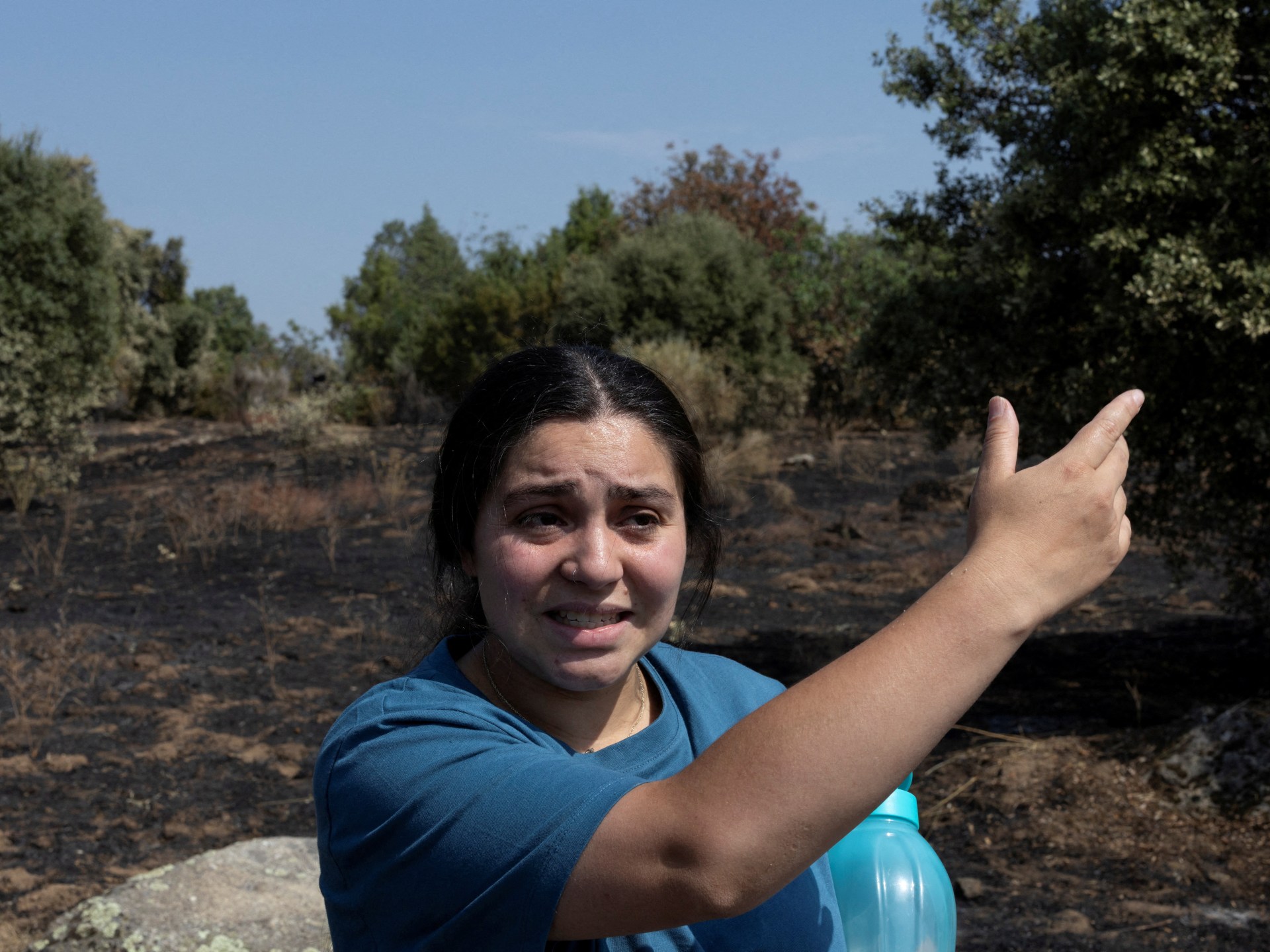
Extreme heat desiccates vegetation, converting forests, scrubland and grassland into combustible material. When strong winds coincide with sustained drought conditions, fires propagate rapidly and resist containment efforts.

Mediterranean nations including Spain, Portugal, Greece, Italy and France have historically faced wildfire risk. However, fire season now commences earlier, extends longer and threatens regions previously considered low-risk areas.

The European Union documented at least 1 million hectares (2.5 million acres) of burned land in the region last year, approaching double the historical average.

Certain fires achieve such intensity they create their own meteorological systems. Called pyrocumulonimbus clouds, these massive smoke formations can generate powerful winds, lightning and embers that spark new fires several kilometres distant, substantially complicating suppression efforts.

Beyond immediate destruction of property and woodland, wildfires compromise biodiversity, discharge dangerous quantities of carbon dioxide and render landscapes susceptible to erosion and flooding when precipitation eventually returns.

Water Resources Under Siege

Heatwaves impose tremendous pressure on Europe’s water infrastructure. Elevated temperatures accelerate evaporation from rivers, lakes and reservoirs while depleting soil moisture. Mountain snowpacks melt prematurely in spring, leaving diminished water availability during peak summer months.

Major waterways including the Rhine, Po and Danube have repeatedly registered abnormally low levels throughout recent summers. Reduced river flows disrupt commercial shipping, curtail hydroelectric power production and jeopardize industrial operations dependent on river water for cooling processes.

Agriculture faces particularly severe impacts from elevated temperatures. Farmers throughout Southern and Central Europe confront declining crop yields, livestock suffering heat stress and heightened irrigation requirements precisely when water supplies are constrained.

Research published in May by the European Investment Bank and the European Commission estimated that climate change threatens to increase annual European agricultural losses by as much as 66 percent by 2050, endangering the future viability of food production.

Certain regions have already implemented water usage restrictions during extended dry periods, indicating how climate change is beginning to affect routine activities.

Public Health and Energy Infrastructure Challenges

Heat ranks among Europe’s most lethal natural hazards. Unlike floods or storms, its effects are frequently less conspicuous but more pervasive.

Elderly populations, children and individuals with pre-existing medical conditions face the highest risk. Hospital admissions connected to dehydration, heatstroke and cardiovascular complications increase during heatwave episodes.

Urban areas prove especially vulnerable because concrete and asphalt absorb and retain heat, producing what researchers term the urban heat island effect. Night-time temperatures remain elevated, preventing structures and residents from achieving adequate cooling.

Expanding air conditioning usage provides some protection but generates additional complications. Electricity demand typically surges during heatwaves as millions seek relief from high temperatures. This coincides with reduced efficiency in power generation as warmer rivers hamper the cooling of thermal and nuclear power facilities.

This combination creates mounting challenges for Europe’s energy systems as demand peaks precisely when generation capacity faces constraints.

With information from Al Jazeera English

Share:
Dimitris Papafotis
Dimitris Papafotis

Dimitris Papafotis is the editor-in-chief of NewsFire.GR. He was born and raised in Athens. He studied at the Journalism Workshop (1991-1993). He currently lives in Pyrgos, Ilia, where he has been active in radio and various newspapers, while also maintaining his personal blog, Papafotis.gr.

According to Everton Fox writing in Al Jazeera English, Prague is currently experiencing temperatures near 40 degrees Celsius (104 degrees Fahrenheit), conditions that are increasingly becoming standard rather than exceptional. Europe’s Copernicus Climate Change Service reports that late May and June heatwaves brought daily average temperatures exceeding 10C (18F) above normal in portions of France, the United Kingdom and Spain.

Western European temperatures averaged 20.74C (69F) in June, marking an increase of 3.06C (5.4F) above the 1991-2020 average. With some areas recording temperatures well above 40C, extended droughts, devastating wildfires and diminishing river levels have transitioned from anomalies to regular characteristics of European summers.

Scientific research consistently demonstrates that climate change is amplifying both the frequency and severity of extreme weather events. Heatwaves are now lasting longer, arriving earlier in the season and impacting multiple countries concurrently. The ramifications reach far beyond discomfort, fundamentally altering ecosystems, economic structures and everyday existence throughout much of the continent.

Wildfire Threat Intensifies

Extreme heat desiccates vegetation, converting forests, scrubland and grassland into combustible material. When strong winds coincide with sustained drought conditions, fires propagate rapidly and resist containment efforts.

Mediterranean nations including Spain, Portugal, Greece, Italy and France have historically faced wildfire risk. However, fire season now commences earlier, extends longer and threatens regions previously considered low-risk areas.

The European Union documented at least 1 million hectares (2.5 million acres) of burned land in the region last year, approaching double the historical average.

Certain fires achieve such intensity they create their own meteorological systems. Called pyrocumulonimbus clouds, these massive smoke formations can generate powerful winds, lightning and embers that spark new fires several kilometres distant, substantially complicating suppression efforts.

Beyond immediate destruction of property and woodland, wildfires compromise biodiversity, discharge dangerous quantities of carbon dioxide and render landscapes susceptible to erosion and flooding when precipitation eventually returns.

Water Resources Under Siege

Heatwaves impose tremendous pressure on Europe’s water infrastructure. Elevated temperatures accelerate evaporation from rivers, lakes and reservoirs while depleting soil moisture. Mountain snowpacks melt prematurely in spring, leaving diminished water availability during peak summer months.

Major waterways including the Rhine, Po and Danube have repeatedly registered abnormally low levels throughout recent summers. Reduced river flows disrupt commercial shipping, curtail hydroelectric power production and jeopardize industrial operations dependent on river water for cooling processes.

Agriculture faces particularly severe impacts from elevated temperatures. Farmers throughout Southern and Central Europe confront declining crop yields, livestock suffering heat stress and heightened irrigation requirements precisely when water supplies are constrained.

Research published in May by the European Investment Bank and the European Commission estimated that climate change threatens to increase annual European agricultural losses by as much as 66 percent by 2050, endangering the future viability of food production.

Certain regions have already implemented water usage restrictions during extended dry periods, indicating how climate change is beginning to affect routine activities.

Public Health and Energy Infrastructure Challenges

Heat ranks among Europe’s most lethal natural hazards. Unlike floods or storms, its effects are frequently less conspicuous but more pervasive.

Elderly populations, children and individuals with pre-existing medical conditions face the highest risk. Hospital admissions connected to dehydration, heatstroke and cardiovascular complications increase during heatwave episodes.

Urban areas prove especially vulnerable because concrete and asphalt absorb and retain heat, producing what researchers term the urban heat island effect. Night-time temperatures remain elevated, preventing structures and residents from achieving adequate cooling.

Expanding air conditioning usage provides some protection but generates additional complications. Electricity demand typically surges during heatwaves as millions seek relief from high temperatures. This coincides with reduced efficiency in power generation as warmer rivers hamper the cooling of thermal and nuclear power facilities.

This combination creates mounting challenges for Europe’s energy systems as demand peaks precisely when generation capacity faces constraints.

With information from Al Jazeera English

