
End of Term, End of Life…
France's President Macron is fast-tracking end-of-life legislation by July 15, drawing fierce opposition from critics who warn it undermines protections for the vulnerable.
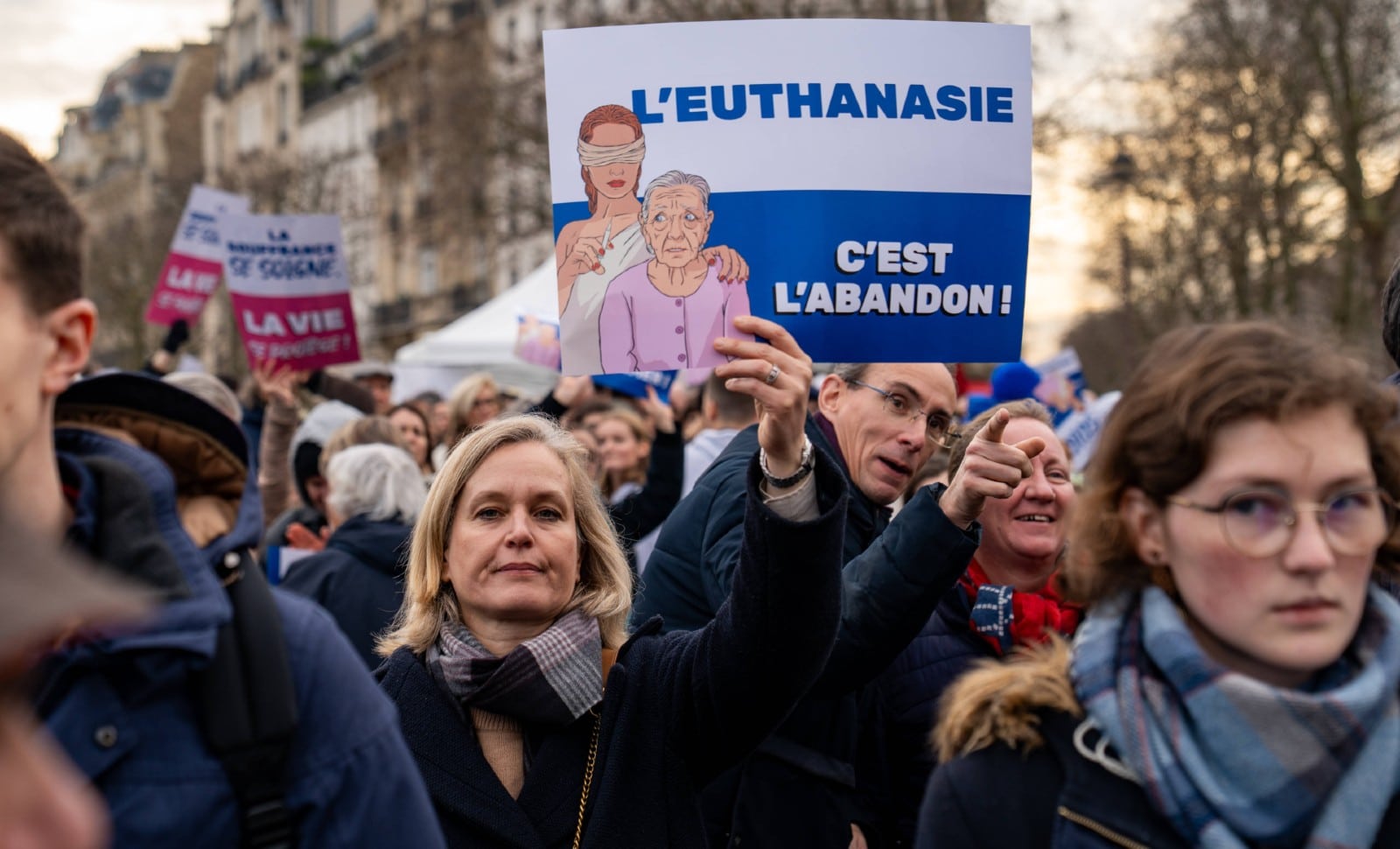

According to Causeur, Macron has fast-tracked the controversial legislation with shocking haste, aiming for parliamentary approval by July 15. The speed with which the government is moving has raised questions about whether citizens who value the intimate and deeply personal nature of life’s final moments have any say in refusing state-administered death protocols.
The magazine frames the legislation as a tragic capstone to Macron’s presidency, marking what it describes as civilizational decline. This urgency stands in stark contrast to the president’s notorious delays and indecision on matters of national sovereignty and public order, where his trademark “at the same time” approach and progressive intellectual sensibilities reportedly led him to minimize the threat of crime and delinquency for far too long.
A Pattern of Misguided Intervention
The analysis points to a troubling pattern: whenever Macron has directly involved himself in social issues or specific cases, the results have been damaging. The end-of-life law is cited alongside the president’s handling of the death of Nahel as examples of interventions that worsened rather than improved the situation.
Among the most prominent opponents of the legislation is Philippe Juvin, whose sustained campaign against the measure has been marked by intellectual rigor and humanitarian concern. Juvin has consistently warned of the grave risks embedded in the proposed law, including the social inequalities it will entrench and the potential for future abuses once current limitations are inevitably expanded. He has advocated instead for expanded palliative care as a humane and dignified alternative.
Houellebecq’s Moral Intervention
The debate took on additional weight with the recent publication of an essay by renowned French author Michel Houellebecq in Le Figaro, titled “End of Life: The Sea Blackened with Blood.” Causeur describes the text as admirable and notes that Houellebecq has engaged with this issue from the outset with philosophical depth and profound humanity, setting aside his characteristic detachment and irony for cold, cutting indignation.
The writer expresses what Causeur characterizes as stunned disbelief at what French society is prepared to authorize. Houellebecq views the legislation as a monstrosity directed at the weakest and most vulnerable, rejecting the convenient argument that dignity requires death when authentic dignity would protect threatened lives for as long as possible.
His intervention reflects concerns about the nihilistic world he has long warned of but never celebrated, where it becomes easier to die rather than creating a world where people can truly live. For Causeur, this represents a lost opportunity: rather than administering death, the end of Macron’s mandate could have pursued the far more exalting ambition of strengthening society’s commitment to accompanying life until its natural conclusion, a shared destiny that has long defined the human condition.
The magazine frames the choice starkly: a president’s final legacy devoted not to protecting life but to facilitating its termination, stripping citizens of an ideal that once united them in the common purpose of caring for one another until the very end.
With information from Causeur





