
DR Congo Hunts for 6-Year-Old Ebola Patient After Abduction
Armed assailants abducted an Ebola-infected woman and her six-year-old daughter from a treatment facility in eastern Congo, raising public health concerns about the virus spreading in the community.
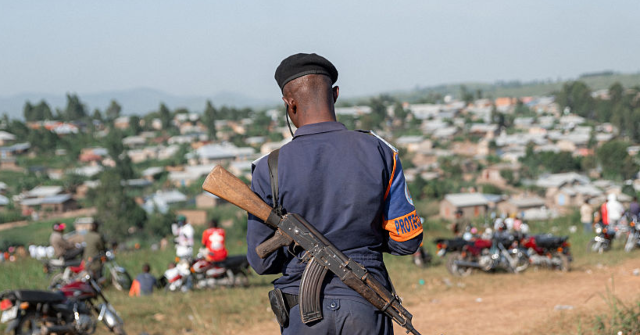

The kidnapping took place at Wanamahika Hospital in Butembo, located in North Kivu province, one of three regions currently grappling with the highest concentration of Ebola cases in the ongoing outbreak, according to Breitbart News. The attackers, armed with knives and bladed weapons, entered the clinic late Monday and removed the mother and child without harming or targeting any other individuals at the facility.
The deliberate nature of the abduction has raised concerns among health officials that the assailants specifically sought out these two patients rather than engaging in random violence or mass kidnapping for ransom purposes common in other African conflict zones.
Provincial official Dr. Lubambo Maboko Gaston issued an urgent warning about the public health implications of removing Ebola patients from medical isolation. He called on the perpetrators to return the victims to treatment immediately, emphasizing that their presence in the community threatens not only their own survival but also risks infecting family members and neighbors.
The abduction comes as health authorities struggle to contain an Ebola outbreak that has proven exceptionally difficult to track and treat. The World Health Organization declared a public health emergency on May 17, though WHO Director-General Tedros Adhanom Ghebreysus has stated the outbreak may have begun as early as January.
As of this week, health officials have confirmed 856 cases of Ebola Bundibugyo and 198 deaths linked to the current outbreak. The vast majority of cases have occurred in the DRC, with 19 confirmed infections in neighboring Uganda. Another 235 suspected cases in the DRC remain unconfirmed.
Gang Violence Hampers Disease Response
The chaotic security situation in eastern DRC has severely hampered efforts by public health experts and humanitarian workers to identify and contain the outbreak. The region hosts numerous armed paramilitary groups fighting for control of mineral-rich territory, frequently forcing local children into dangerous mining operations under slave-like conditions.
Among the most dangerous organizations operating in the area is the Allied Democratic Forces, a radical Islamist terrorist group with documented links to the Islamic State. ADF attacks have continued without interruption throughout the Ebola crisis, directly disrupting humanitarian relief efforts.
In early June, ADF terrorists killed 16 people in an attack on North Kivu and displaced entire communities after burning down homes in three villages near the city of Beni. Local media outlet Radio Okapi reported that ADF attacks have intensified since March in Ituri province, with over 20 villages targeted in the past three months alone, resulting in mass casualties, widespread displacement, and the collapse of economic activity.
Conspiracy Theories Fuel Attacks on Medical Facilities
Healthcare workers battling the outbreak face an additional deadly obstacle: widespread local belief that Ebola is not a genuine disease but rather a fabricated pretext for international organizations to conduct population control measures against Africans.
This conspiracy theory has fueled violent attacks on isolation wards and medical personnel, including incidents where relatives of Ebola patients have attempted to forcibly remove their family members from treatment facilities, believing they are rescuing them from deliberate murder by healthcare workers.
Jean Assumani, a humanitarian worker in Ituri, described the challenge to UNICEF, noting that some residents claim Ebola is a story invented by doctors while others believe humanitarians created the disease to generate profits. Only after witnessing deaths from the virus do many locals change their perspective and begin taking protective measures.
The current outbreak involves Ebola Bundibugyo, a less common strain of the virus that standard tests designed to detect more prevalent strains like Ebola Zaire initially failed to identify. This diagnostic difficulty, combined with inadequate funding, community hostility toward aid workers, and the breakdown of security in the region, has significantly delayed the public health response.
In May, both Ituri and North Kivu experienced waves of mob violence in which local residents attempted to attack and set fire to isolation centers, further complicating containment efforts.
With information from Breitbart News





