Necessary Cookies

Required for the site to function. Cannot be disabled.

Analytics Cookies

Help us understand how visitors interact with our site (Google Analytics via GTM).

Marketing Cookies

Used to track visitors and deliver personalised advertisements.

We use cookies to enhance your browsing experience and analyse site traffic. By clicking Accept All, you consent to our use of cookies. Privacy Policy
NewsFire Global
Home News Europe World Christianity Culture Wars Opinion Video
Information
About Us Authors Advertising Terms & Conditions Privacy Policy Contact
R2B Media
R2B NEWSFIRE.GR PAPAFOTIS.GR THRACTION HELLENIC CONSERVATIVES RIGHT2THEBONE YT
News World

Congo Ebola Outbreak Hits 100 Deaths as Conflict Hampers Response

The death toll from an Ebola outbreak in eastern Congo has surpassed 100 in less than a month, with 101 deaths from 550 cases of a rare strain lacking approved vaccines or treatments.

Newsroom
Newsroom Staff Writer
JUNE 10, 2026 AT 12:40 AM

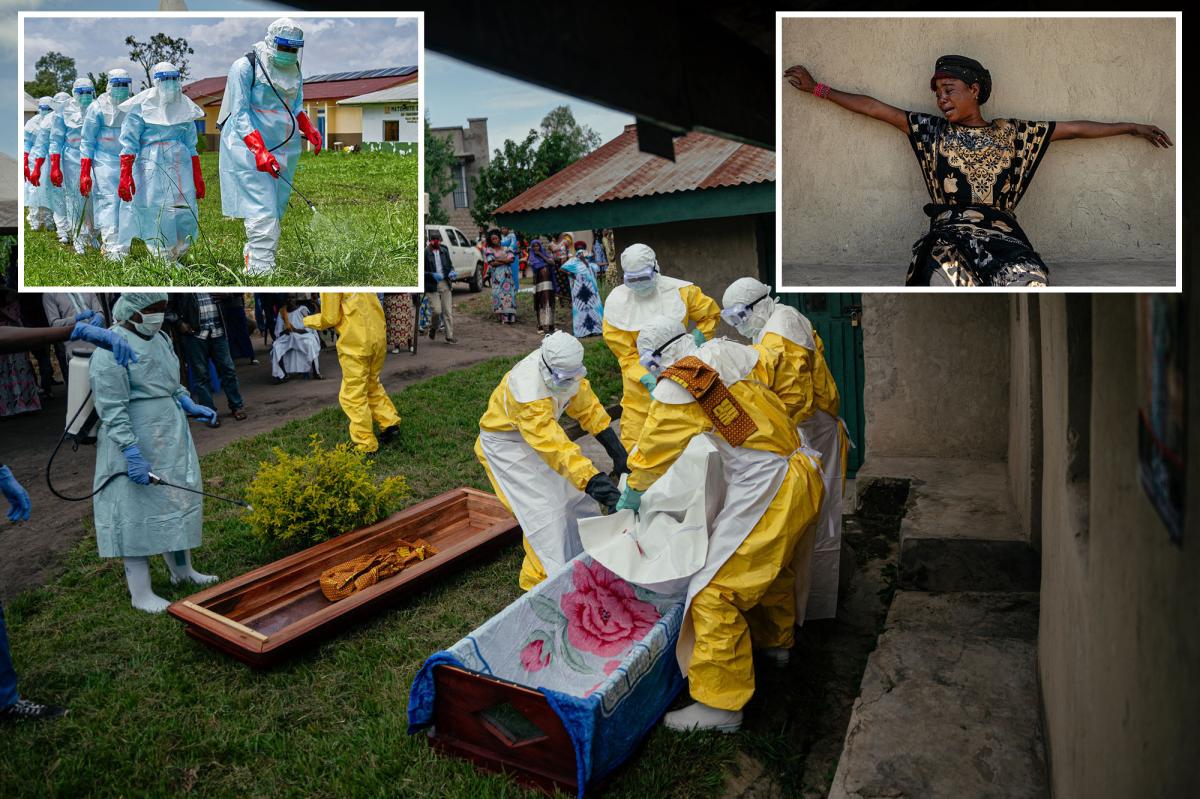
According to New York Post, the outbreak has resulted in 101 deaths out of 550 confirmed cases as of Sunday, with only 19 recoveries reported. The situation remains dire as health workers face violent attacks from skeptical residents, limited access to conflict zones, and the absence of approved vaccines for this particular strain.

The epidemic, declared on May 15, is concentrated in Congo’s eastern Ituri province, which accounts for over 90 percent of confirmed cases. Additional cases have been documented in the North Kivu and South Kivu provinces, with the disease crossing international borders into Uganda.

Rare Virus Strain Complicates Response

This outbreak stems from the rare Bundibugyo virus, a particularly dangerous development since no approved vaccine or treatment exists for this strain. This stands in stark contrast to the Zaire virus—the Ebola variant responsible for Congo’s previous 16 outbreaks—which does have medical countermeasures available.

Health authorities acknowledge the true number of infections likely exceeds official figures, as the outbreak went unconfirmed for weeks and contact tracing coverage currently stands at just 64 percent, though that rate has improved in recent days.

Provincial Capital Under Health Restrictions

Daily life in Bunia, the bustling capital of Ituri province, has been significantly disrupted by Ebola containment measures. Justin Abekani, a motorcycle taxi operator, noted that drivers are now restricted to carrying only one passenger per vehicle.

Despite the mounting death toll, widespread skepticism toward health protocols persists in parts of the province. Survivors of Congo’s 2018 Ebola outbreak—the second-largest in recorded history—have issued warnings that repeating past mistakes could result in massive preventable casualties.

Violence and Conflict Hamper Disease Control

Front-line health workers operating with minimal pay and rest have been attacked repeatedly by hostile residents. Armed conflict involving rebel groups has rendered some communities completely inaccessible to medical teams.

Eastern Congo has endured years of violence from dozens of distinct rebel and militant organizations, including some affiliated with foreign powers and the extremist Islamic State group.

The World Health Organization stated Monday that ongoing fighting is disrupting surveillance and response operations while increasing the risk of undetected disease transmission. The agency emphasized the critical importance of collaborating with local leaders and communities.

Displacement Crisis Compounds Tracking Efforts

Nearly one million people have been displaced by conflict in Ituri, according to the United Nations humanitarian office. This mass displacement severely complicates contact tracing as populations flee violence or move frequently throughout the vast province characterized by dense forests, deteriorated roads, and remote villages requiring days to reach.

Thousands of artisanal miners who regularly relocate between isolated sites in the mineral-rich region present additional tracking challenges for health authorities.

The WHO currently assesses the risk of continental and global spread as low. Dr. Tedros Adhanom Ghebreyesus, WHO Director-General, stated Monday during a Uganda visit that Ebola patients can recover with proper medical support.

Kenya Protests US Ebola Quarantine Facility

In Kenya, police deployed tear gas Tuesday to disperse protesters in Nanyuki, near a military air base where the United States planned to construct an Ebola quarantine center. Heavy deployments of riot and regular police prevented demonstrators from marching toward the base.

US officials announced last month that Washington intended to send Americans exposed to Ebola abroad to a new 50-bed facility at Laikipia Air Base in Kenya rather than transporting them to American soil.

A Kenyan court subsequently suspended construction of the facility and prohibited the arrival of foreign patients pending resolution of legal challenges filed by the Law Society of Kenya and a constitutional watchdog organization. The petitioners raised concerns about Kenya’s vulnerable health infrastructure and lack of transparency regarding the bilateral agreement.

With information from New York Post

Share:
Newsroom
Newsroom

NewsFire.GR is a website created with the hope that the media will rediscover their true identity, which is none other than informing the public about the real stakes of our times. Journalism and political analysis must hold power accountable, not serve it.

According to New York Post, the outbreak has resulted in 101 deaths out of 550 confirmed cases as of Sunday, with only 19 recoveries reported. The situation remains dire as health workers face violent attacks from skeptical residents, limited access to conflict zones, and the absence of approved vaccines for this particular strain.

The epidemic, declared on May 15, is concentrated in Congo’s eastern Ituri province, which accounts for over 90 percent of confirmed cases. Additional cases have been documented in the North Kivu and South Kivu provinces, with the disease crossing international borders into Uganda.

Rare Virus Strain Complicates Response

This outbreak stems from the rare Bundibugyo virus, a particularly dangerous development since no approved vaccine or treatment exists for this strain. This stands in stark contrast to the Zaire virus—the Ebola variant responsible for Congo’s previous 16 outbreaks—which does have medical countermeasures available.

Health authorities acknowledge the true number of infections likely exceeds official figures, as the outbreak went unconfirmed for weeks and contact tracing coverage currently stands at just 64 percent, though that rate has improved in recent days.

Provincial Capital Under Health Restrictions

Daily life in Bunia, the bustling capital of Ituri province, has been significantly disrupted by Ebola containment measures. Justin Abekani, a motorcycle taxi operator, noted that drivers are now restricted to carrying only one passenger per vehicle.

Despite the mounting death toll, widespread skepticism toward health protocols persists in parts of the province. Survivors of Congo’s 2018 Ebola outbreak—the second-largest in recorded history—have issued warnings that repeating past mistakes could result in massive preventable casualties.

Violence and Conflict Hamper Disease Control

Front-line health workers operating with minimal pay and rest have been attacked repeatedly by hostile residents. Armed conflict involving rebel groups has rendered some communities completely inaccessible to medical teams.

Eastern Congo has endured years of violence from dozens of distinct rebel and militant organizations, including some affiliated with foreign powers and the extremist Islamic State group.

The World Health Organization stated Monday that ongoing fighting is disrupting surveillance and response operations while increasing the risk of undetected disease transmission. The agency emphasized the critical importance of collaborating with local leaders and communities.

Displacement Crisis Compounds Tracking Efforts

Nearly one million people have been displaced by conflict in Ituri, according to the United Nations humanitarian office. This mass displacement severely complicates contact tracing as populations flee violence or move frequently throughout the vast province characterized by dense forests, deteriorated roads, and remote villages requiring days to reach.

Thousands of artisanal miners who regularly relocate between isolated sites in the mineral-rich region present additional tracking challenges for health authorities.

The WHO currently assesses the risk of continental and global spread as low. Dr. Tedros Adhanom Ghebreyesus, WHO Director-General, stated Monday during a Uganda visit that Ebola patients can recover with proper medical support.

Kenya Protests US Ebola Quarantine Facility

In Kenya, police deployed tear gas Tuesday to disperse protesters in Nanyuki, near a military air base where the United States planned to construct an Ebola quarantine center. Heavy deployments of riot and regular police prevented demonstrators from marching toward the base.

US officials announced last month that Washington intended to send Americans exposed to Ebola abroad to a new 50-bed facility at Laikipia Air Base in Kenya rather than transporting them to American soil.

A Kenyan court subsequently suspended construction of the facility and prohibited the arrival of foreign patients pending resolution of legal challenges filed by the Law Society of Kenya and a constitutional watchdog organization. The petitioners raised concerns about Kenya’s vulnerable health infrastructure and lack of transparency regarding the bilateral agreement.

With information from New York Post