
Climate Cash: Who Foots Bill for Global Green Transition?
Wealthy nations are retreating from climate finance pledges while developing countries need $2 trillion annually to cope with extreme weather they did little to cause.
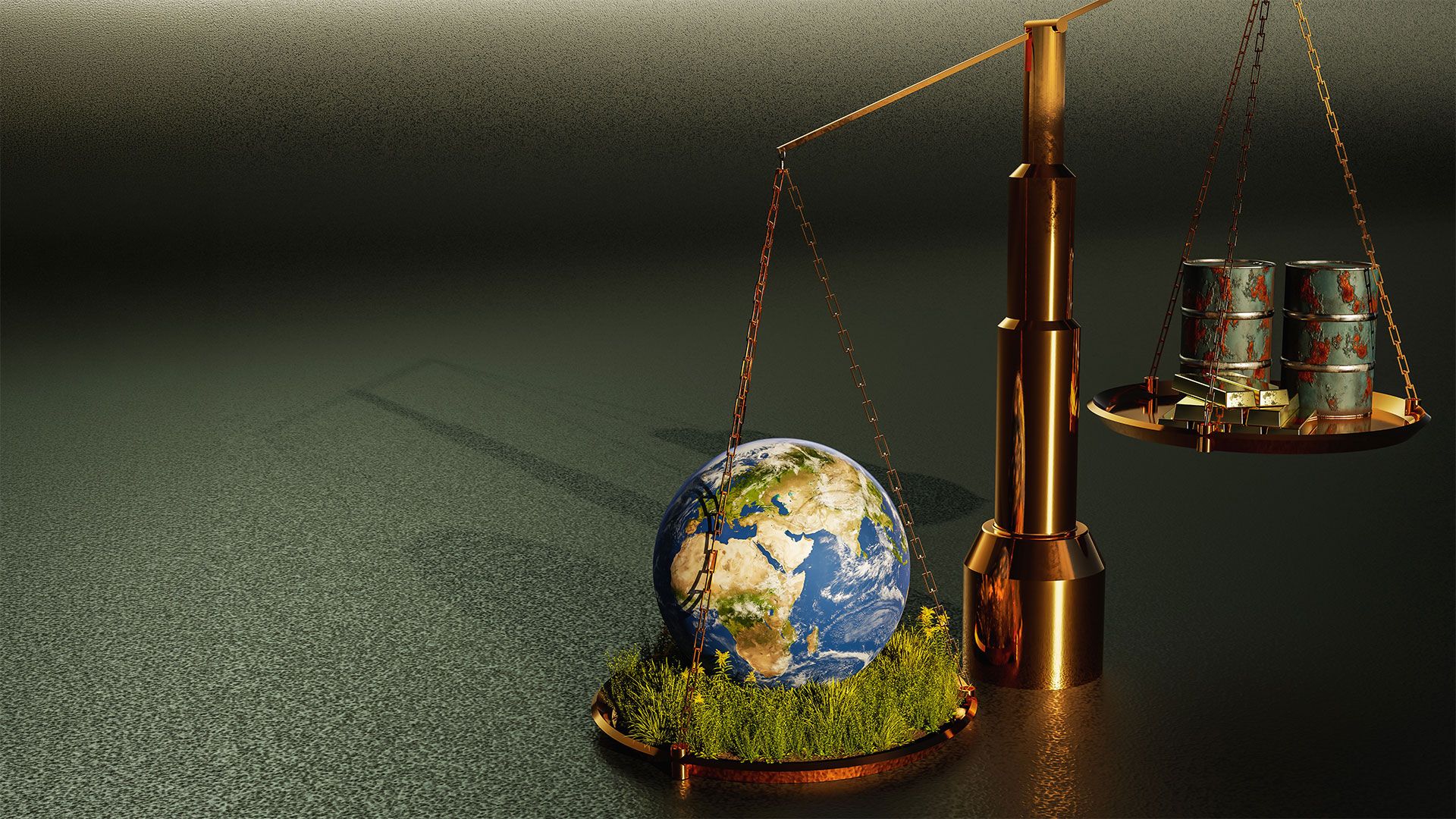

According to Al Jazeera English, developing nations need at least $2 trillion every year to respond to and adapt to extreme weather conditions driven by climate change. Yet the funding gap is widening as some of the world’s largest donor countries reduce their aid contributions.
The report highlights a stark disparity: developed countries accumulated their wealth through decades of burning fossil fuels, the primary driver of climate change. Meanwhile, poorer nations that contributed minimally to the crisis now spend billions recovering from floods, droughts, and other climate-related disasters.
Rich nations have made promises to help finance climate adaptation in vulnerable countries, but their actions tell a different story. Several major donors are now cutting aid budgets, and the World Bank has reportedly dropped its climate finance target altogether.
The $2 Trillion Annual Gap
The $2 trillion annual figure represents what developing countries require simply to respond to current climate impacts and adapt their infrastructure and economies to increasingly volatile conditions. This does not include the additional costs of transitioning their energy systems away from fossil fuels or compensating for loss and damage already incurred.
As wealthy nations pull back from their financial commitments, vulnerable populations face mounting challenges with diminishing international support. The funding shortfall comes at a time when extreme weather events are intensifying in frequency and severity across Africa, Asia, and Latin America.
System Built to Fail?
The growing disconnect between climate finance promises and actual delivery raises questions about whether the global system is designed to protect the world’s most vulnerable populations or whether it systematically fails them.
Development advocates have long argued that current climate finance mechanisms place unfair burdens on countries least responsible for greenhouse gas emissions. The recent pullback by donor nations threatens to deepen existing inequalities and leave developing countries to shoulder costs for a crisis they did not create.
The World Bank’s decision to drop its climate finance target signals a troubling shift in institutional priorities at precisely the moment when scaled-up investment is most urgently needed.
With information from Al Jazeera English





