
Green Climate Ideology: How People in Developing Countries Get Poorer
Western climate activists and green NGOs are blocking economic development in poor regions by preventing access to affordable energy and markets that enabled Western prosperity, according to Nius.
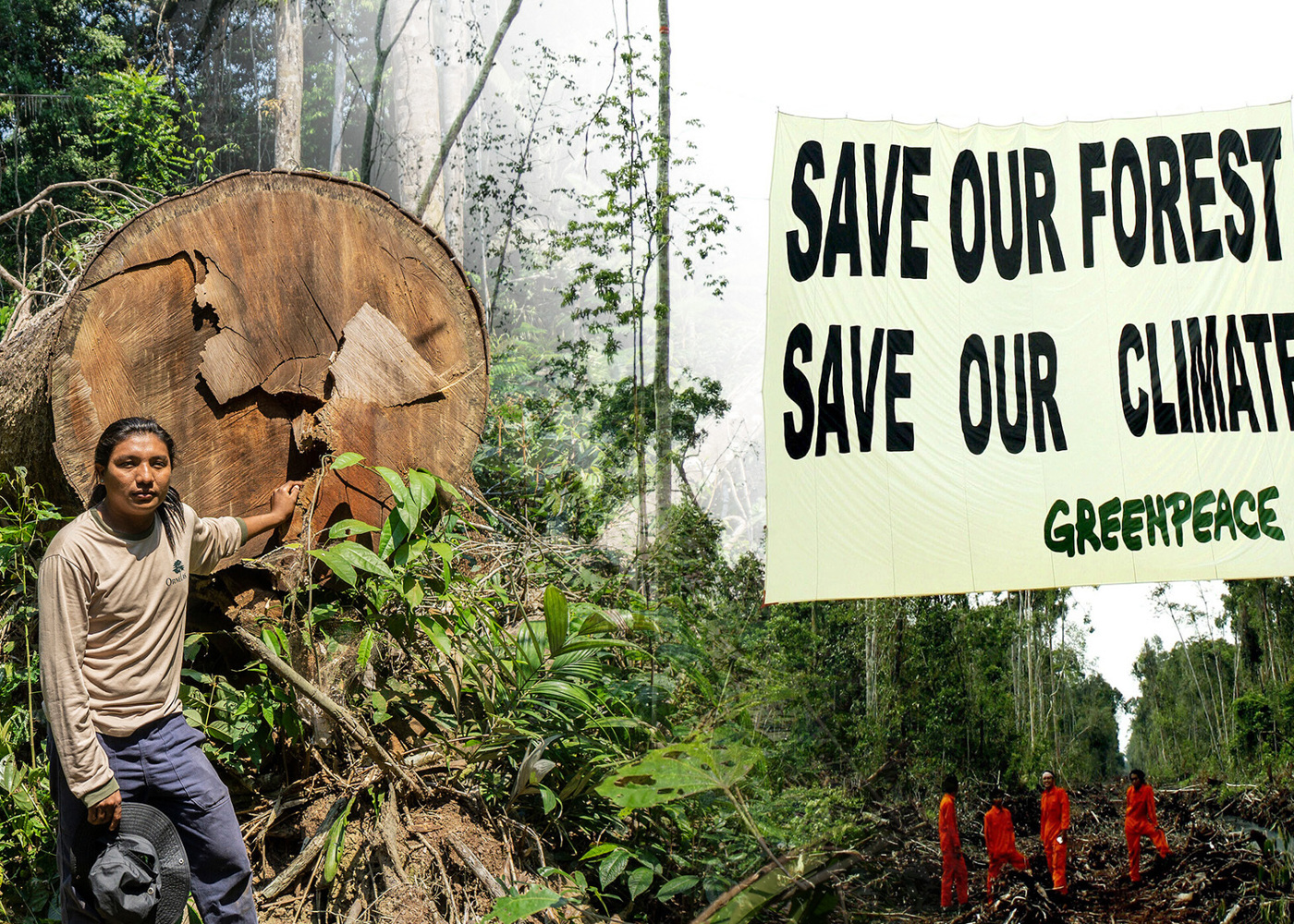

While left-wing politicians in Europe and North America claim to champion the interests of the Global South, their strict climate regulations and activist campaigns are effectively preventing these regions from achieving the same industrialization that made the West wealthy.
The ideological framework underlying this contradiction holds that Western industrialization bears responsibility for climate change, and that developing nations should therefore skip the centralized and supposedly environmentally harmful phase of industrial development. Climate activists propose that renewable energy sources like solar and wind power can allow these countries to leapfrog traditional development stages.
However, nations in the developing world argue that stringent climate requirements restrict their access to affordable energy sources essential for building prosperity and industry. They maintain that fossil fuels such as coal and gas, which fueled Western economic growth, should not be denied to them. After all, industrialization, economic growth concepts, and technological progress have driven improvements in living conditions for humanity as a whole.
Indigenous Brazilian Farmers Blocked From Markets
Even projects that do not involve fossil fuels frequently fail due to ideologically motivated resistance from green NGOs, as Nius reports.
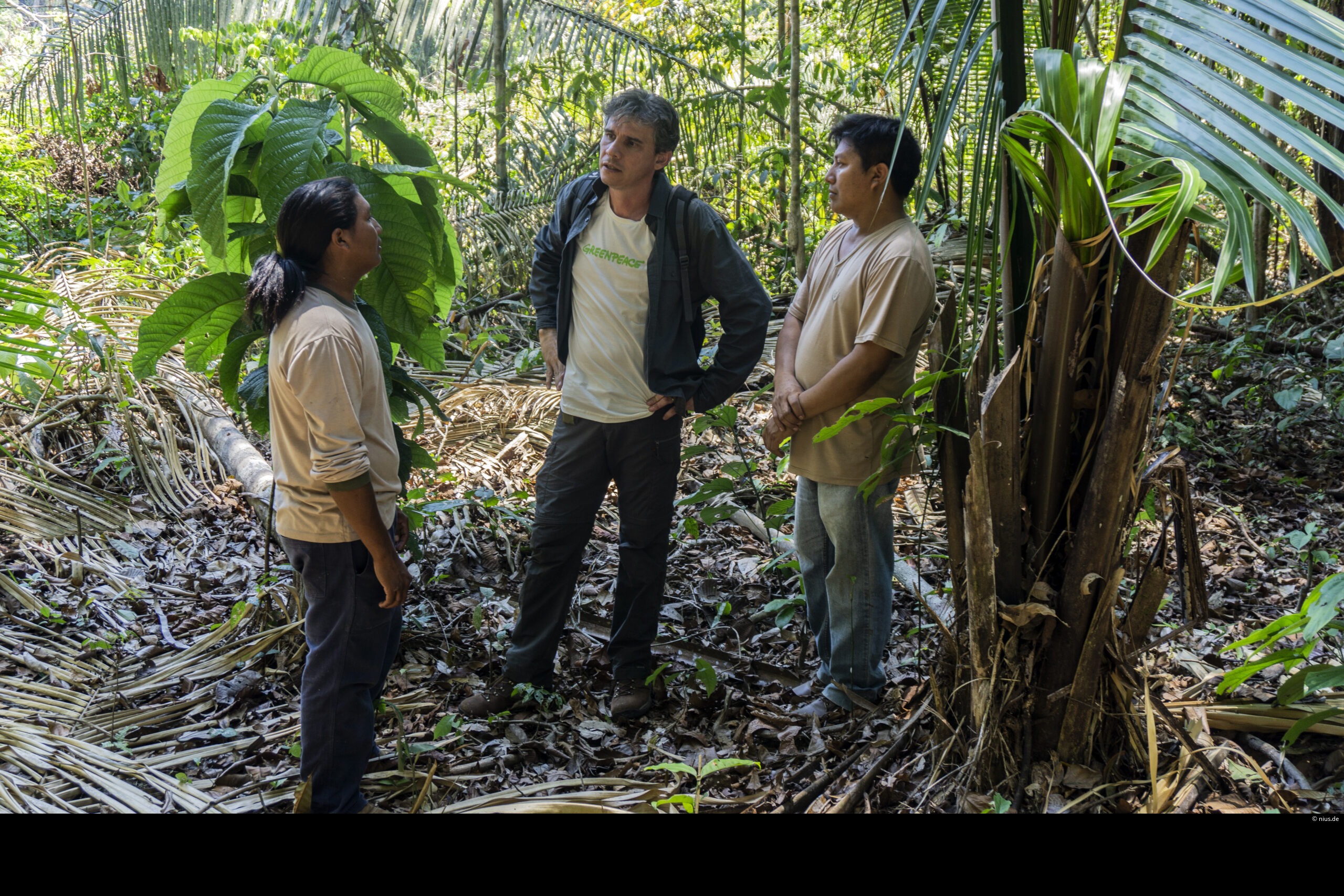
The indigenous Paresi tribe in Mato Grosso, Brazil, provides a stark example. According to a May report from Agrarheute, approximately twenty thousand members of this tribe living at the southern edge of the Amazon suffered from poverty, malnutrition, and high child mortality rates until thirty years ago. Their situation improved significantly after they began cultivating soybeans without even using genetic engineering, though only on a small fraction of three percent of their territory, with the remainder under nature protection.
Greenpeace and other NGOs initiated a moratorium to halt deforestation in the Amazon region. This measure prohibits major traders including Cargill, Bunge, and ADM from purchasing soybeans from land cleared after 2008. The restriction severely hampers legal marketing of the Paresi products, despite the tribe possessing official government permits. They are effectively denied access to lucrative international markets, particularly high-demand European markets, and must sell domestically at lower prices.
André Kezomae, board member of the Coopipares cooperative, summarized the predicament facing indigenous groups that wish to benefit from modern agricultural techniques rather than maintaining a romanticized preindustrial lifestyle. According to the cooperative leader, if Greenpeace or the WWF had their way, indigenous peoples would be forced to live as they did three hundred years ago.
Munich’s Green Ambitions Threaten Norwegian Reindeer Herders
In another case reported by Apollo News, the Munich city council established a goal in 2009 for the Bavarian capital to become the world’s first million-resident city powered entirely by renewable energy from its own installations by 2025. Since this target cannot be met due to insufficient wind resources and available land within city boundaries, Munich’s municipal utilities resorted to massive investments across Europe to manipulate their ecological balance sheets.
Among these projects were wind farms in distant Norway, where the indigenous Sami people, who depend on reindeer herding for survival, faced an existential threat. The animals avoid wind park installations on their traditional grazing grounds due to the constant humming noise, while power transmission lines cut through the herds’ migration routes.
Although the Sami eventually received financial compensation, city council members from the Green Party, SPD, and CSU refused to meet with a Sami delegation at city hall. As Dr. Christoph Canne observed in his analysis for Apollo News, minority protection serves these parties merely as media-friendly backdrop for Sunday speeches. When reality threatens their dogmas, the survival of an indigenous people must yield to the unconditional priority of ideology.
Golden Rice Controversy Cost Lives
Strict environmental regulations and the economic interests of indigenous groups prove difficult to reconcile. The first major conflict emerged during the 1990s dispute over Golden Rice, when ideological rejection of genetically modified organisms caused concrete humanitarian harm.
Golden Rice is a rice variety genetically modified to produce beta-carotene, which the human body converts into vitamin A. It was specifically developed to combat vitamin A deficiency in developing countries where rice serves as the staple food. According to the World Health Organization, vitamin A deficiency ranks among the leading causes of preventable childhood blindness and increases the risk of infections such as measles or diarrhea, as well as mortality rates.
Despite studies demonstrating that Golden Rice contains sufficient beta-carotine to make a significant impact on public health, green activists waged relentless campaigns against its deployment, prioritizing their anti-GMO ideology over the lives and health of children in impoverished regions.
The pattern is clear across multiple continents and diverse situations. Western environmental organizations and their political allies impose strict climate and environmental standards that systematically obstruct economic development in the world’s poorest regions, even as they claim to advocate for these communities. The collision between green ideology and the genuine needs of developing populations continues to extract a heavy human cost.
With information from Nius





