China’s Energy Strategy Exposed by Strait of Hormuz Crisis
China's dominance in solar manufacturing, built through massive investment and industrial policy, positions Beijing to exploit Middle Eastern energy disruptions as nations seek alternatives.
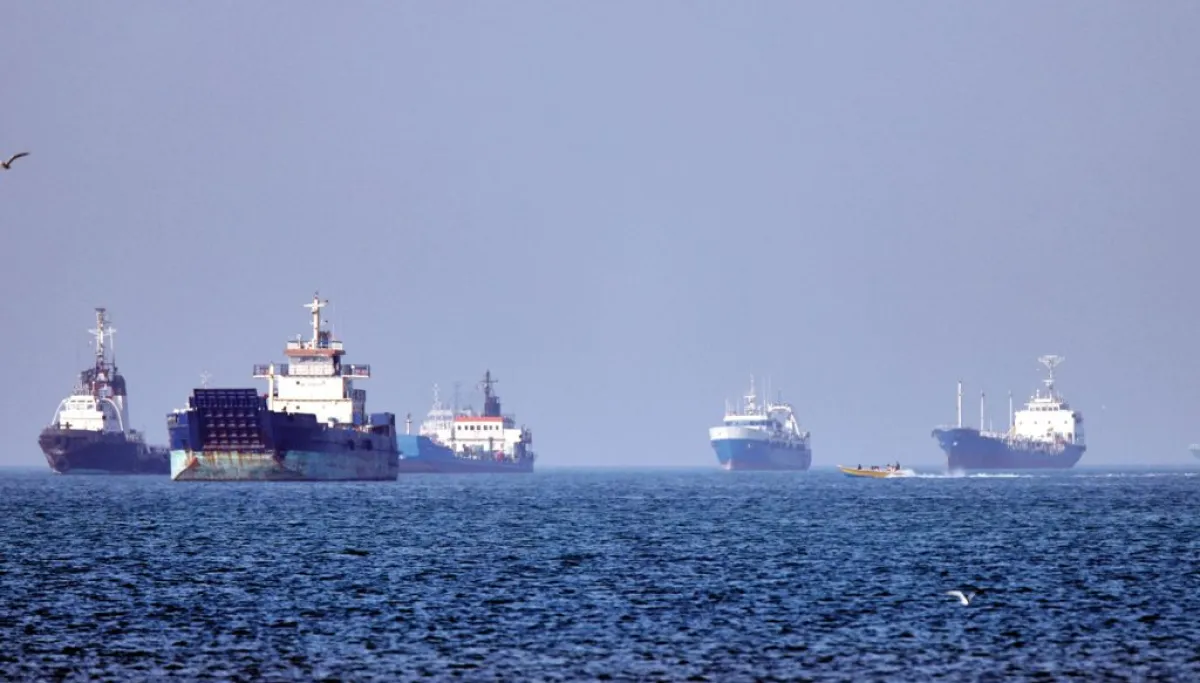

China’s decades-long strategy to dominate global solar energy manufacturing is paying dividends as Middle Eastern conflict disrupts traditional energy markets, according to Alexander B. Gray writing in Washington Examiner. While oil tankers and liquefied natural gas shipments remain vulnerable to blockades and regional instability, Beijing has positioned itself to offer nations an alternative that cannot be stopped at the Strait of Hormuz.
The strategic calculation is straightforward. Solar panels and battery systems deployed domestically face no risk from maritime chokepoints, sanctions, or Middle Eastern wars. Countries worldwide now view these technologies as insurance against the vulnerabilities inherent in fossil fuel dependence.
China’s investment has been massive and deliberate. Between 2019 and 2025, Beijing accounted for more than half of the world’s $1.1 trillion in clean energy investment, more than doubling U.S. spending levels. That financial commitment, combined with industrial policy, dumping practices, and unfair trade tactics, has undermined American domestic capacity in critical manufacturing sectors.


The numbers tell a stark story. According to the International Energy Agency’s latest Photovoltaic Power Systems report, China produced 98% of solar wafers, 92% of solar cells, and 85% of solar panels globally in 2023. Those figures are likely to climb following the Iranian conflict, given Beijing’s policy trajectory.
In late May, Chinese customs data revealed record solar technology sales shortly after the United States initiated joint military operations in Iran. The surge has been building for weeks, though high U.S. tariffs on Chinese-made solar products have prevented it from reaching American markets.
Following the Strait of Hormuz closure, China sees an opportunity to expand its export offensive. Solar panels, batteries, and electric vehicles are flowing to nations seeking to reduce their exposure to fossil fuels and the geopolitical instability that comes with them.
For decades, America defined energy security through oil production, pipelines, naval power, and control of shipping lanes. Those capabilities remain important, but energy security in 2026 increasingly depends on controlling the infrastructure and supply chains behind diverse energy systems. China currently holds a commanding lead in that competition, however unfairly obtained.
The United States has ramped up domestic solar manufacturing, with at least 146 new solar and storage manufacturing facilities coming online in recent years as part of a broader American manufacturing renaissance. Yet the scale of China’s advantage remains daunting.
The U.S.-China Economic and Security Review Commission has warned that Beijing could weaponize American reliance on Chinese critical mineral processing and manufacturing sectors during future geopolitical confrontations. That makes building next-generation energy capabilities domestically a matter of national security.
An effective domestic energy resilience agenda must include substantial investment in American production of solar panels, batteries, transformers, semiconductors, and grid equipment. Authorities must also streamline permitting processes for all energy projects and secure access to strategically vital materials including graphite, lithium, copper, and rare-earth minerals.
The Chinese Communist Party understands that control over non-traditional energy infrastructure will shape the future of global commerce, international relations, and economic security. Nations that dominate the next generation of energy technology will wield economic, industrial, and diplomatic leverage for decades.
America still possesses the workforce, innovation, natural resources, and industrial strength required to compete and lead. What’s needed now is urgency, clear-eyed realism, and recognition that energy security has become a top-tier national security imperative that cannot be ceded to Beijing.
With information from Washington Examiner