Necessary Cookies

Required for the site to function. Cannot be disabled.

Analytics Cookies

Help us understand how visitors interact with our site (Google Analytics via GTM).

Marketing Cookies

Used to track visitors and deliver personalised advertisements.

We use cookies to enhance your browsing experience and analyse site traffic. By clicking Accept All, you consent to our use of cookies. Privacy Policy
NewsFire Global
Home News Europe World Christianity Culture Wars Opinion Video
Information
About Us Authors Advertising Terms & Conditions Privacy Policy Contact
R2B Media
R2B NEWSFIRE.GR PAPAFOTIS.GR THRACTION HELLENIC CONSERVATIVES RIGHT2THEBONE YT
News World

China Fires Nuclear Warning Shot Across Pacific

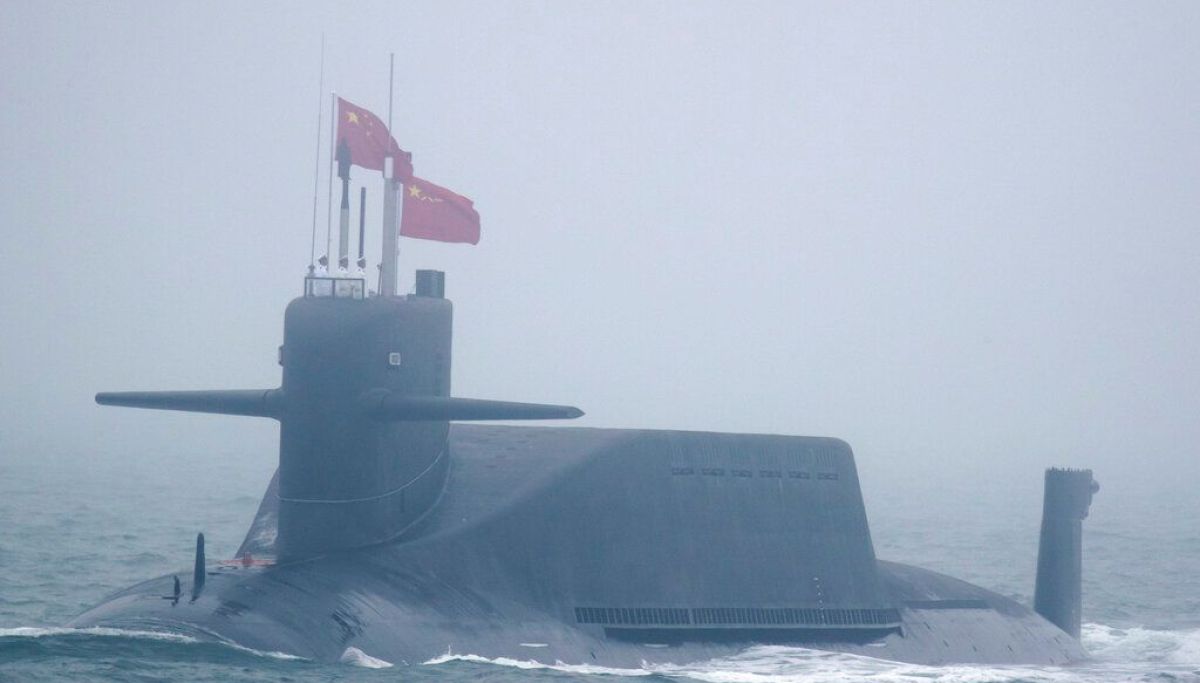
China tested a submarine-launched ballistic missile that traveled over 4,300 miles across the Pacific, demonstrating its expanding nuclear capabilities as part of efforts to challenge U.S. military dominance.

JULY 9, 2026 AT 2:52 PM

The People’s Liberation Army conducted the test on Monday, launching a missile that travelled more than 4,300 miles before its dummy warhead — designed to simulate a nuclear payload — splashed down in waters north of the Solomon Islands. The missile’s trajectory took it high over Taiwan, Japan, and the strategically vital U.S. territory of Guam, according to Tom Rogan writing in Washington Examiner.

The test represents far more than a routine military exercise. China is rapidly expanding its nuclear arsenal and delivery systems as part of a broader strategy to establish military dominance across the Pacific and undermine American deterrence capabilities.

Beijing’s Nuclear Arsenal Surges

Intelligence assessments indicate China will possess 1,000 nuclear warheads by 2030, a dramatic increase from current stockpiles. The expansion encompasses all delivery platforms — ground-based missiles, bombers, space-based weapons systems including satellites, and submarine-launched capabilities.

Beijing has also conducted clandestine underground nuclear weapons tests in recent years while diversifying its nuclear infrastructure. The goal is clear: to ensure the PLA can absorb a first strike from an adversary and retain sufficient capability to launch a devastating counterstrike.


Russia has emerged as a critical enabler of China’s nuclear ambitions. Moscow is sharing advanced anti-submarine warfare expertise with Beijing, knowledge particularly valuable for tracking and potentially neutralizing American ballistic missile submarines that form a cornerstone of Washington’s nuclear deterrent.

This technical cooperation spans the entire military technology spectrum. In exchange for essential Chinese economic support and indirect military assistance for its war in Ukraine, Russia has tolerated systematic Chinese espionage operations. Beijing’s highly sophisticated cyber capabilities have almost certainly accelerated its nuclear programme through stolen technical data.

American Advantage Remains — For Now

Despite China’s advances, the United States maintains significant advantages. Chinese submarines remain more detectable than their American counterparts, and Washington retains robust redundancy across nuclear command-and-control systems, enemy interdiction capabilities, and strike operations.

The Trump administration has adopted a more forceful posture toward foreign nuclear threats than the previous two administrations. However, under Xi Jinping and the ruling Communist Party, China’s nuclear threat is accelerating rapidly. Systematic purges of senior PLA officers have given Xi unprecedented personal control over China’s armed forces, enabling him to pursue aggressive modernization without internal military resistance.

Pacific Dominance Threatens American Prosperity

The stakes extend far beyond military calculations. Defence of Taiwan, Japan, and the Philippines constitutes the foundation of American prosperity and security in the 21st century. Should China achieve military dominance across the Pacific, it would leverage that position to enforce political and economic submission across the region and ultimately globally.

Given China’s current record of unfair trade practices and systematic disregard for intellectual property rights, such a future would leave Americans substantially poorer and less free.

Urgent Response Required

Washington must significantly expand nuclear-related defence spending. The United States needs more submarines at sea, and the new Columbia-Class nuclear ballistic missile submarine programme must stay on schedule. Enhanced nuclear deterrence also requires procuring additional B-21 bombers and increased investment in nuclear workforce development and research.

America also faces a critical shortage of air defence munitions that must be addressed urgently.

Allied nations must shoulder greater responsibility as well. European navies remain chronically underfunded and ineffective at monitoring Russian submarine activity. This deficiency forces the U.S. to dedicate significant attack submarine resources to the North Atlantic and Barents Sea — forces that cannot simultaneously operate in the Pacific where they are desperately needed.

Message to Regional Powers

Beyond the military demonstration, Beijing designed this test to send a diplomatic message to Pacific nations. The missile launch serves as both a warning and an inducement for regional governments to recalibrate their strategic alignments in favour of Chinese interests.

The test underscores an uncomfortable reality: China is methodically building the capability to strike the American homeland while simultaneously developing the military infrastructure to dominate the Pacific theatre. Washington’s response in the coming years will determine whether American deterrence remains credible or whether the balance of power shifts decisively toward Beijing.

With information from Washington Examiner

Share:
Eleni Papadaki-Van Der Merwe

She was born in 1986 in Johannesburg, South Africa. She is the granddaughter of an immigrant from Crete who settled in the Greek community of Johannesburg (one of the largest in Africa). She holds a bachelor’s degree in International Relations and Political Science from the University of the Witwatersrand (Wits) in Johannesburg and a master’s degree in Journalism from Rhodes University in Grahamstown. She began her career at English-language media outlets in Johannesburg, covering politics and economics, with a focus on issues related to migration and the diaspora. She moved to Athens in 2015 to “return to her roots,” initially to pursue graduate studies, and has remained there permanently. She is married to an Afrikaner; they have two children and live in the southern suburbs of Athens.

The People’s Liberation Army conducted the test on Monday, launching a missile that travelled more than 4,300 miles before its dummy warhead — designed to simulate a nuclear payload — splashed down in waters north of the Solomon Islands. The missile’s trajectory took it high over Taiwan, Japan, and the strategically vital U.S. territory of Guam, according to Tom Rogan writing in Washington Examiner.

The test represents far more than a routine military exercise. China is rapidly expanding its nuclear arsenal and delivery systems as part of a broader strategy to establish military dominance across the Pacific and undermine American deterrence capabilities.

Beijing’s Nuclear Arsenal Surges

Intelligence assessments indicate China will possess 1,000 nuclear warheads by 2030, a dramatic increase from current stockpiles. The expansion encompasses all delivery platforms — ground-based missiles, bombers, space-based weapons systems including satellites, and submarine-launched capabilities.

Beijing has also conducted clandestine underground nuclear weapons tests in recent years while diversifying its nuclear infrastructure. The goal is clear: to ensure the PLA can absorb a first strike from an adversary and retain sufficient capability to launch a devastating counterstrike.

Russia has emerged as a critical enabler of China’s nuclear ambitions. Moscow is sharing advanced anti-submarine warfare expertise with Beijing, knowledge particularly valuable for tracking and potentially neutralizing American ballistic missile submarines that form a cornerstone of Washington’s nuclear deterrent.

This technical cooperation spans the entire military technology spectrum. In exchange for essential Chinese economic support and indirect military assistance for its war in Ukraine, Russia has tolerated systematic Chinese espionage operations. Beijing’s highly sophisticated cyber capabilities have almost certainly accelerated its nuclear programme through stolen technical data.

American Advantage Remains — For Now

Despite China’s advances, the United States maintains significant advantages. Chinese submarines remain more detectable than their American counterparts, and Washington retains robust redundancy across nuclear command-and-control systems, enemy interdiction capabilities, and strike operations.

The Trump administration has adopted a more forceful posture toward foreign nuclear threats than the previous two administrations. However, under Xi Jinping and the ruling Communist Party, China’s nuclear threat is accelerating rapidly. Systematic purges of senior PLA officers have given Xi unprecedented personal control over China’s armed forces, enabling him to pursue aggressive modernization without internal military resistance.

Pacific Dominance Threatens American Prosperity

The stakes extend far beyond military calculations. Defence of Taiwan, Japan, and the Philippines constitutes the foundation of American prosperity and security in the 21st century. Should China achieve military dominance across the Pacific, it would leverage that position to enforce political and economic submission across the region and ultimately globally.

Given China’s current record of unfair trade practices and systematic disregard for intellectual property rights, such a future would leave Americans substantially poorer and less free.

Urgent Response Required

Washington must significantly expand nuclear-related defence spending. The United States needs more submarines at sea, and the new Columbia-Class nuclear ballistic missile submarine programme must stay on schedule. Enhanced nuclear deterrence also requires procuring additional B-21 bombers and increased investment in nuclear workforce development and research.

America also faces a critical shortage of air defence munitions that must be addressed urgently.

Allied nations must shoulder greater responsibility as well. European navies remain chronically underfunded and ineffective at monitoring Russian submarine activity. This deficiency forces the U.S. to dedicate significant attack submarine resources to the North Atlantic and Barents Sea — forces that cannot simultaneously operate in the Pacific where they are desperately needed.

Message to Regional Powers

Beyond the military demonstration, Beijing designed this test to send a diplomatic message to Pacific nations. The missile launch serves as both a warning and an inducement for regional governments to recalibrate their strategic alignments in favour of Chinese interests.

The test underscores an uncomfortable reality: China is methodically building the capability to strike the American homeland while simultaneously developing the military infrastructure to dominate the Pacific theatre. Washington’s response in the coming years will determine whether American deterrence remains credible or whether the balance of power shifts decisively toward Beijing.

With information from Washington Examiner

