Censorship for Oktoberfest, But Not for Pride Parade!
Munich officials ordered operators of an 80-year-old Oktoberfest attraction to cover up papier-mâché female figures over sexism concerns, months after celebrating nudity at a pride parade.
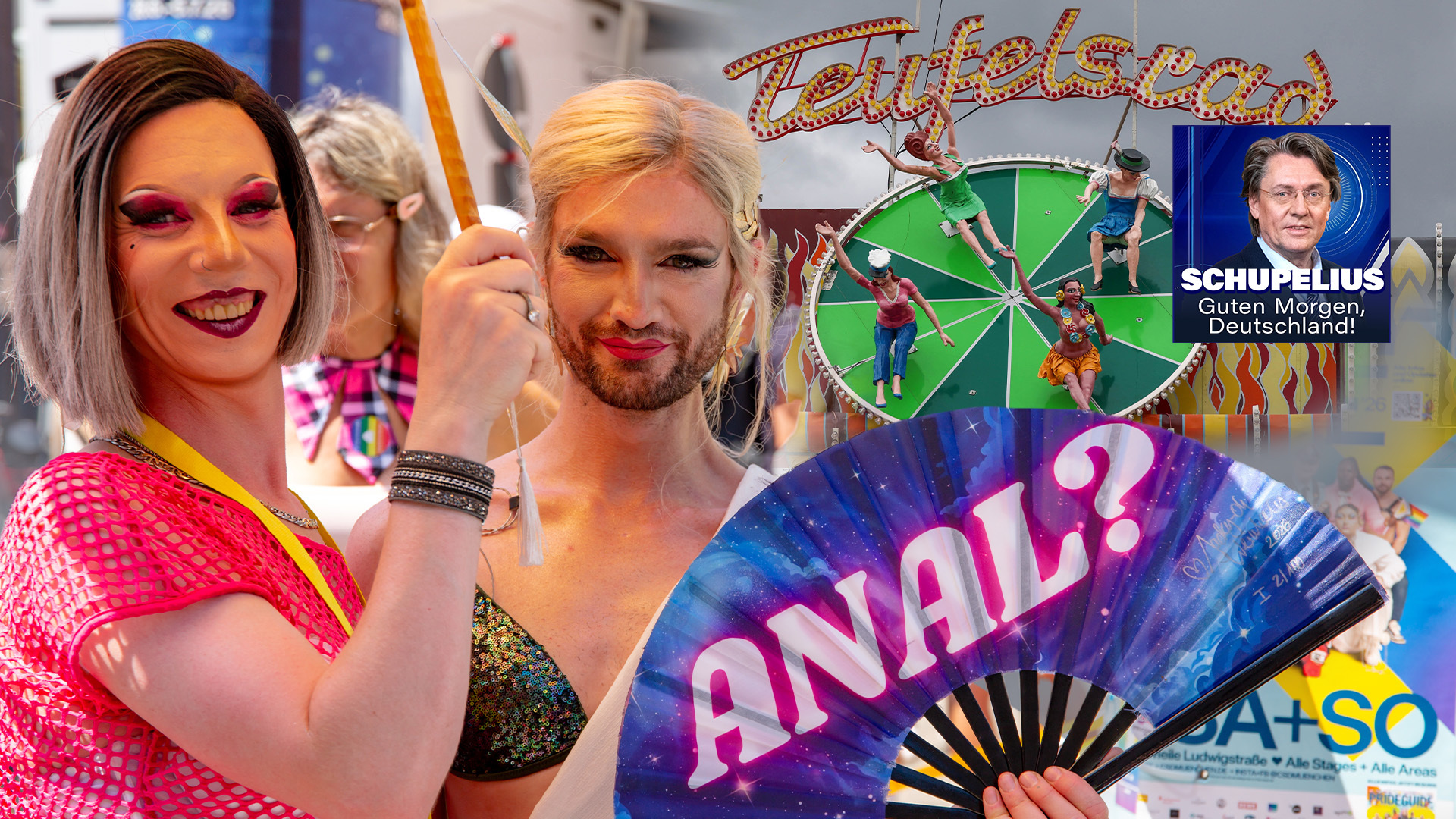

The controversy centers on four decorative female figures mounted above the entrance to the famous Teufelsrad (Devil’s Wheel) attraction at Munich’s Oktoberfest, scheduled to run from September 19 to October 4. According to Gunnar Schupelius writing in Nius, the city’s Office for Gender Equality and Office for Democracy took issue with the traditional depictions, which include one woman in a blue dirndl, another in a short green dress, one in jeans, and a Hawaiian woman depicted barefoot and lightly clothed on top.
Officials deemed the figures too revealing and classified their presentation as sexist. They also objected to the Hawaiian figure being the only one without shoes, labeling this discriminatory. The Teufelsrad operator was given an ultimatum: redress the figures or lose her operating permit.
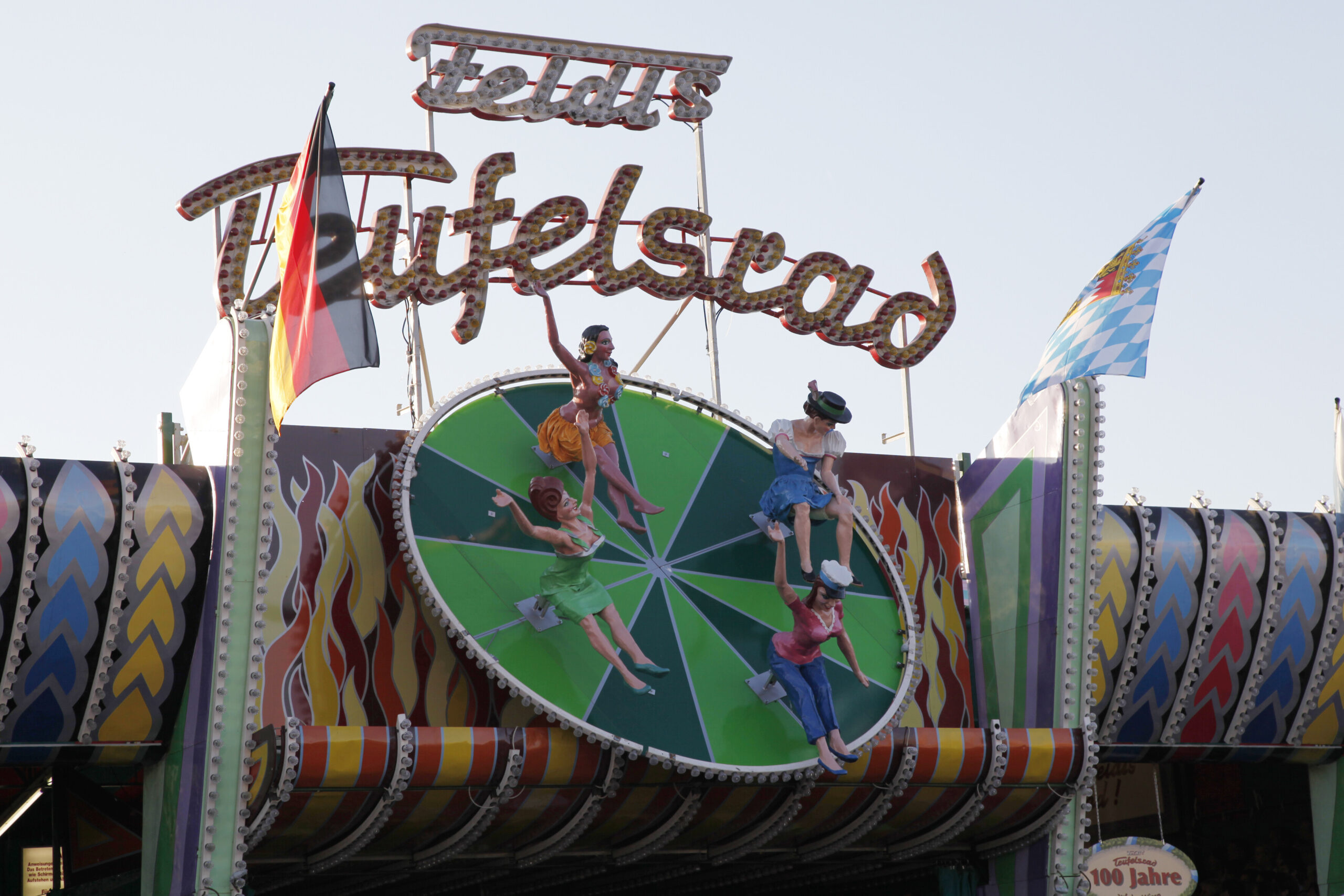
Faced with losing her license, the operator complied. All four papier-mâché women now wear high-necked dresses never seen at the actual festival, the Hawaiian figure has been given black shoes, and the woman in the short green dress now sports long underwear extending below the knee.
Historic Attraction Caught in Censorship Campaign
The Teufelsrad is a rotating disk attraction where visitors sit and try to remain on the spinning platform as it accelerates. The last person to fly off wins. In recent years, complaints have emerged about men filming up women’s skirts during the ride and posting footage online.
Munich’s Green-led city administration claimed the costume changes for the entrance figures were intended to combat this behavior. As Schupelius asks in his analysis, what exactly do these politicians imagine—that voyeuristic filming will stop because papier-mâché figures are dressed more modestly? The logic appears deeply flawed.
Oktoberfest, like Carnival, thrives on a spirit of festivity and traditional costume. Women wear dirndls with pride and enjoyment, just as men wear lederhosen. Filming up skirts is already illegal. The enforcement problem has nothing to do with decorative figures that have hung above an attraction entrance for eight decades.
Double Standards on Display
The censorship becomes particularly glaring when contrasted with Munich Pride, held from June 11 to 28. During that event, tens of thousands marched through the city in every imaginable costume—or half-naked, or nearly naked. The Green officials at City Hall raised no objections. No sexism was suspected, only love and joy, as Schupelius notes.
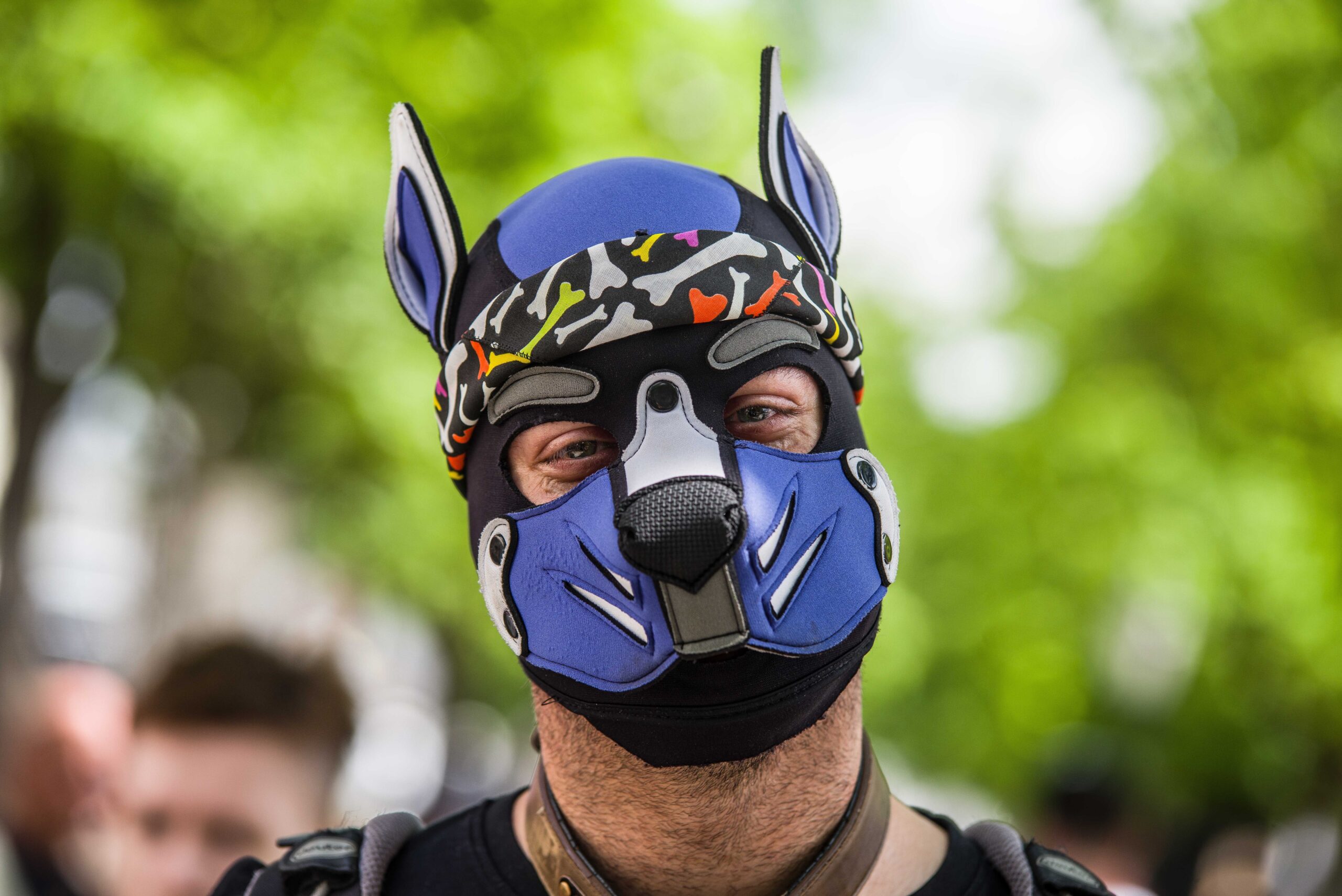
At Munich Pride, the principle that apparently no longer applies to Oktoberfest was celebrated: freedom in interaction, in presentation, in everything. The arbitrary application of completely different standards reveals an ideological agenda rather than consistent principle.
The contrast is stark. During pride festivities, public nudity and provocative display are welcomed as expressions of liberation and identity. At a traditional Bavarian festival celebrating regional culture, 80-year-old decorative figures must be covered up to satisfy contemporary political sensibilities. Traditional Bavarian culture receives censorious scrutiny that progressive causes escape entirely.
Cultural Policing Under Green Administration
The episode illustrates how municipal bureaucracies can be weaponized to enforce selective cultural norms. Offices ostensibly dedicated to equality and democracy have become enforcers of ideological conformity, targeting traditional celebrations while exempting politically favored events from the same standards.
The Oktoberfest figures represented no threat to anyone. They were artistic representations in keeping with the festive, slightly risqué character of a centuries-old celebration. Their forced re-costuming represents cultural vandalism disguised as progress.
Munich’s Green-led administration has sent a clear message about which cultural expressions enjoy protection and which will be subjected to ideological policing. Traditional Bavarian culture, it seems, must justify itself before bureaucratic tribunals in ways that progressive causes never will.
With information from Nius