Necessary Cookies

Required for the site to function. Cannot be disabled.

Analytics Cookies

Help us understand how visitors interact with our site (Google Analytics via GTM).

Marketing Cookies

Used to track visitors and deliver personalised advertisements.

We use cookies to enhance your browsing experience and analyse site traffic. By clicking Accept All, you consent to our use of cookies. Privacy Policy
NewsFire Global
Home News Europe World Christianity Culture Wars Opinion Video
Information
About Us Authors Advertising Terms & Conditions Privacy Policy Contact
R2B Media
R2B NEWSFIRE.GR PAPAFOTIS.GR THRACTION HELLENIC CONSERVATIVES RIGHT2THEBONE YT
News Europe

CDU Leader and AfD Candidate: Does This Photo Break the Firewall?

A photo of a senior CDU politician warmly greeting an AfD counterpart has sparked debate about Germany's conservative firewall policy against the right-wing party.


Dimitris Papafotis
Dimitris Papafotis Editor in Chief
JUNE 13, 2026 AT 1:03 PM

The image, taken at a Liberal Middle Class event in Halberstadt, shows Guido Heuer, the CDU parliamentary group leader in Saxony-Anhalt, sitting alongside Ulrich Siegmund, the AfD’s top candidate in the state. According to Nius, Heuer can be seen with his hand on Siegmund’s shoulder, shaking hands with the AfD politician while both men laugh openly together.
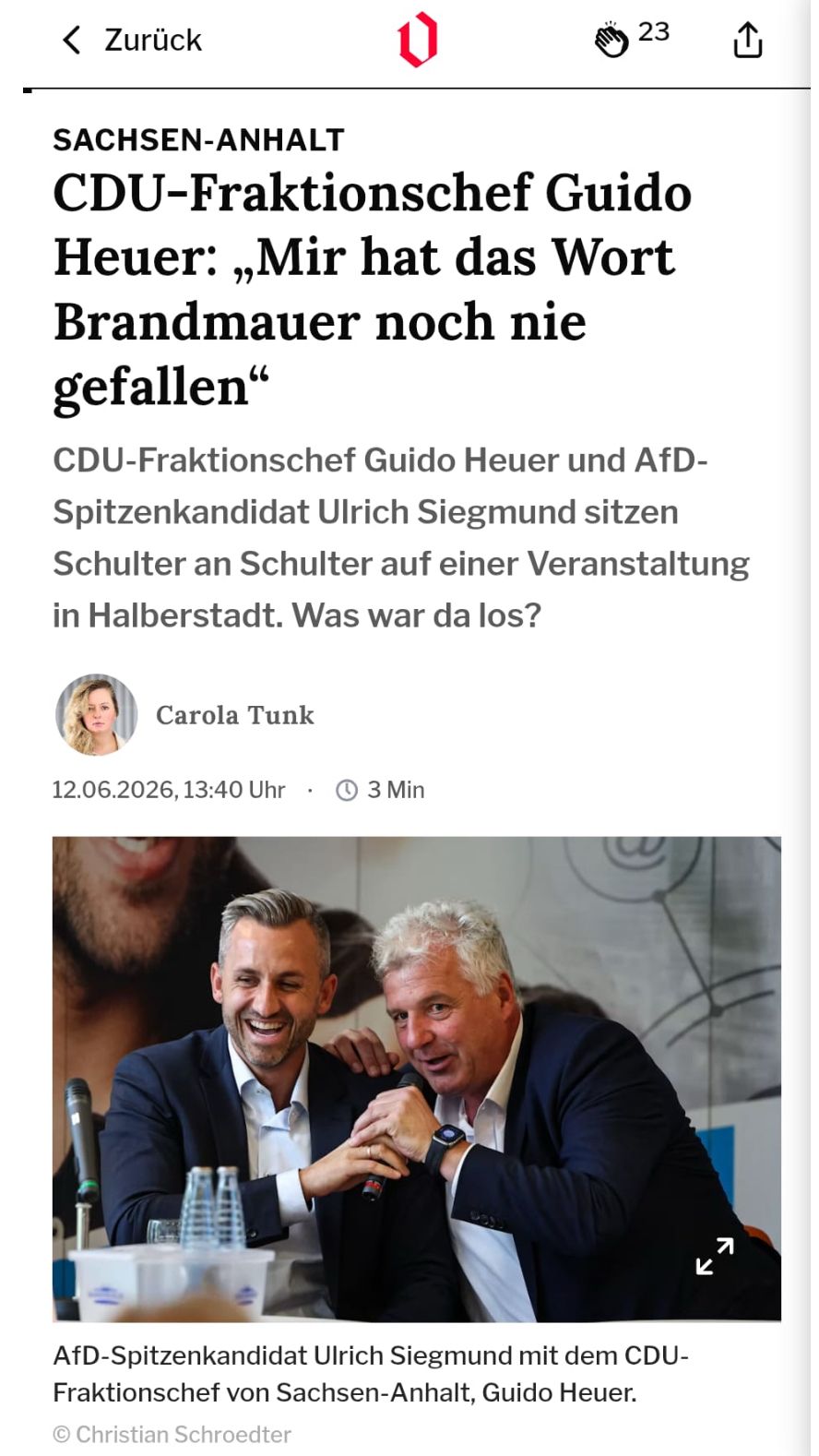
So berichtete die Ostdeutsche Allgemeine Zeitung über den Vorgang. Das Foto schoss der Fotograf Christian Schroedter.
Photo: nius.de

The striking display of collegiality directly contradicts the Christian Democratic Union’s official policy of maintaining a strict barrier against any political cooperation with the Alternative for Germany party. Heuer himself told the Ostdeutsche Allgemeine Zeitung that he has never liked the term firewall as long as he has served in the state parliament.

His comments echo a semantic strategy employed by numerous Union politicians who criticize the word itself while maintaining the policy of excluding the AfD from normal political engagement. Even Chancellor Friedrich Merz has stated he does not use the term firewall, despite previously declaring emphatically that the CDU is the firewall.
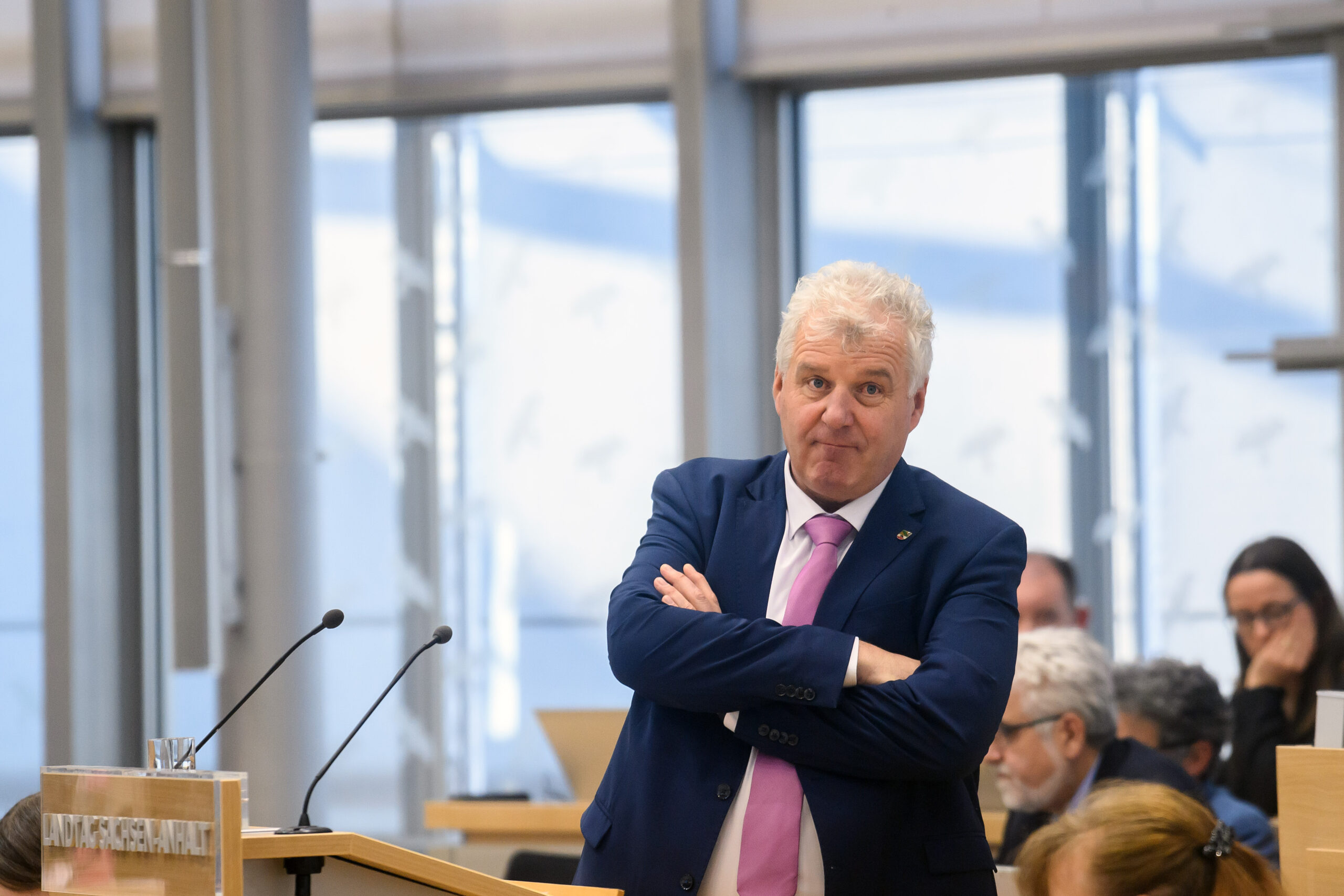
Guido Heuer, CDU-Fraktionschef von Sachsen-Anhalt, im  Magdeburger Landtag
Photo: nius.de

The photograph carries particular significance given the political landscape in Saxony-Anhalt, where the AfD commands a commanding forty-two percent support according to the latest INSA polling conducted for Nius. The CDU trails far behind at twenty-four percent, followed by the Left Party at thirteen percent and the SPD at just six percent.

Heuer’s approach stands in marked contrast to that of state Premier and CDU top candidate Sven Schulze, who recently declared his intention to be elected minister-president regardless of the election outcome. Schulze was expected to be formally nominated as the party’s lead candidate at a state party conference in Dessau on Saturday ahead of the September 6 state election.

When asked about his conduct, Heuer told the newspaper he believes in drawing boundaries with the AfD but not excluding them entirely. CDU sources within Saxony-Anhalt have denied suggestions that Schulze and Heuer are playing a coordinated good cop, bad cop routine.

Grassroots Pressure Building for Cooperation

According to Nius, there is growing debate at the CDU grassroots level about whether Saxony-Anhalt, with its relatively small population of 2.1 million residents and 1.7 million voters, could serve as a test case for cooperation with Siegmund’s AfD. Some within the party believe such an experiment might quickly expose the AfD’s limitations in actual governance, potentially deflating support for party leaders Alice Weidel and Tino Chrupalla nationwide.
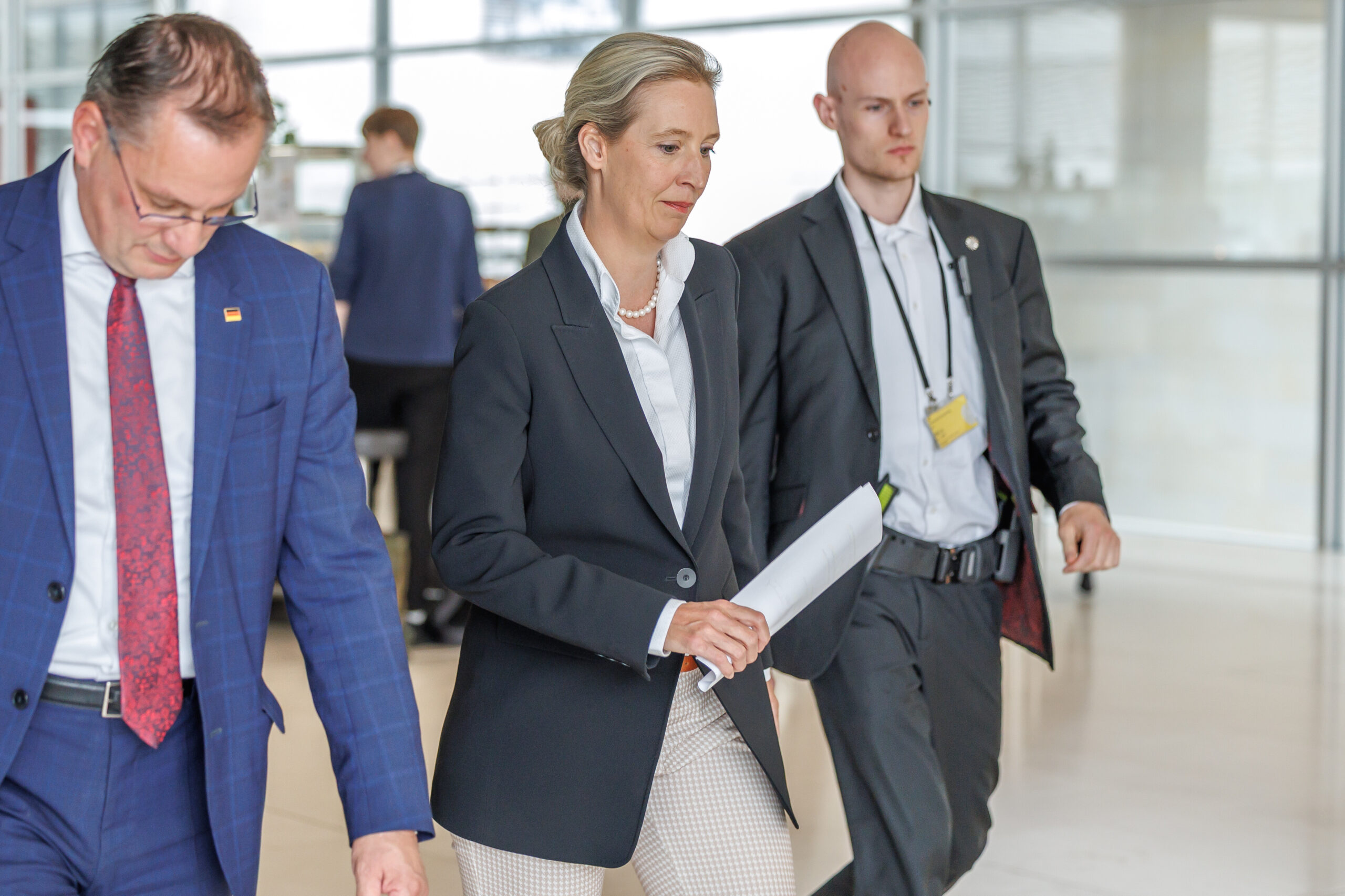
Parteichefs Weidel und Chrupalla: Scheitert die AfD in Regierungsverantwortung in Sachsen-Anhalt, könnte das die Partei bundesweit entzaubern.
Photo: nius.de

The photograph has also energized segments of the Union base who have spent months searching desperately for an exit from what they view as the CDU’s captivity within the federal coalition with the Social Democrats. Discussion of a possible minority government at the federal level has never fully subsided and continues to be promoted by CDU social media influencers including Baha Jamous. The party leadership has thus far issued categorical rejections of any such considerations.

High Stakes Strategic Calculations

Union strategists have long viewed developments in Saxony-Anhalt and other eastern states with considerable anxiety. The prevailing analysis, shared by Merz himself, holds that any cooperation with the AfD would split the CDU, trigger mass resignations, and inflict devastating damage on the party. Yet many members are already declaring in various party chat forums that they will leave the CDU if it enters into cooperation with the Left Party instead, suggesting the threat of fracture exists regardless of direction.

A longtime strategist and former state secretary in the government of former Chancellor Angela Merkel offered an even bleaker assessment to Nius. He warned that the Union will not be able to avoid cooperation with the AfD in the east indefinitely, and predicted that such a development would trigger candlelight vigils and riots outside party offices in western Germany. Thirty-six years after German reunification, he suggested, the division would return with the firewall becoming a new wall between east and west.

The underlying tension reflects a fundamental dilemma for the CDU as it seeks to maintain national unity while confronting dramatically different political realities in different regions of the country. With the AfD holding dominant positions across multiple eastern states, the question of whether the firewall policy remains sustainable continues to generate internal conflict within Germany’s traditional center-right party.

With information from Nius

Share:
Dimitris Papafotis
Dimitris Papafotis

Dimitris Papafotis is the editor-in-chief of NewsFire.GR. He was born and raised in Athens. He studied at the Journalism Workshop (1991-1993). He currently lives in Pyrgos, Ilia, where he has been active in radio and various newspapers, while also maintaining his personal blog, Papafotis.gr.

The image, taken at a Liberal Middle Class event in Halberstadt, shows Guido Heuer, the CDU parliamentary group leader in Saxony-Anhalt, sitting alongside Ulrich Siegmund, the AfD’s top candidate in the state. According to Nius, Heuer can be seen with his hand on Siegmund’s shoulder, shaking hands with the AfD politician while both men laugh openly together.

So berichtete die Ostdeutsche Allgemeine Zeitung über den Vorgang. Das Foto schoss der Fotograf Christian Schroedter.
Photo: nius.de

The striking display of collegiality directly contradicts the Christian Democratic Union’s official policy of maintaining a strict barrier against any political cooperation with the Alternative for Germany party. Heuer himself told the Ostdeutsche Allgemeine Zeitung that he has never liked the term firewall as long as he has served in the state parliament.

His comments echo a semantic strategy employed by numerous Union politicians who criticize the word itself while maintaining the policy of excluding the AfD from normal political engagement. Even Chancellor Friedrich Merz has stated he does not use the term firewall, despite previously declaring emphatically that the CDU is the firewall.

Guido Heuer, CDU-Fraktionschef von Sachsen-Anhalt, im  Magdeburger Landtag
Photo: nius.de

The photograph carries particular significance given the political landscape in Saxony-Anhalt, where the AfD commands a commanding forty-two percent support according to the latest INSA polling conducted for Nius. The CDU trails far behind at twenty-four percent, followed by the Left Party at thirteen percent and the SPD at just six percent.

Heuer’s approach stands in marked contrast to that of state Premier and CDU top candidate Sven Schulze, who recently declared his intention to be elected minister-president regardless of the election outcome. Schulze was expected to be formally nominated as the party’s lead candidate at a state party conference in Dessau on Saturday ahead of the September 6 state election.

When asked about his conduct, Heuer told the newspaper he believes in drawing boundaries with the AfD but not excluding them entirely. CDU sources within Saxony-Anhalt have denied suggestions that Schulze and Heuer are playing a coordinated good cop, bad cop routine.

Grassroots Pressure Building for Cooperation

According to Nius, there is growing debate at the CDU grassroots level about whether Saxony-Anhalt, with its relatively small population of 2.1 million residents and 1.7 million voters, could serve as a test case for cooperation with Siegmund’s AfD. Some within the party believe such an experiment might quickly expose the AfD’s limitations in actual governance, potentially deflating support for party leaders Alice Weidel and Tino Chrupalla nationwide.

Parteichefs Weidel und Chrupalla: Scheitert die AfD in Regierungsverantwortung in Sachsen-Anhalt, könnte das die Partei bundesweit entzaubern.
Photo: nius.de

The photograph has also energized segments of the Union base who have spent months searching desperately for an exit from what they view as the CDU’s captivity within the federal coalition with the Social Democrats. Discussion of a possible minority government at the federal level has never fully subsided and continues to be promoted by CDU social media influencers including Baha Jamous. The party leadership has thus far issued categorical rejections of any such considerations.

High Stakes Strategic Calculations

Union strategists have long viewed developments in Saxony-Anhalt and other eastern states with considerable anxiety. The prevailing analysis, shared by Merz himself, holds that any cooperation with the AfD would split the CDU, trigger mass resignations, and inflict devastating damage on the party. Yet many members are already declaring in various party chat forums that they will leave the CDU if it enters into cooperation with the Left Party instead, suggesting the threat of fracture exists regardless of direction.

A longtime strategist and former state secretary in the government of former Chancellor Angela Merkel offered an even bleaker assessment to Nius. He warned that the Union will not be able to avoid cooperation with the AfD in the east indefinitely, and predicted that such a development would trigger candlelight vigils and riots outside party offices in western Germany. Thirty-six years after German reunification, he suggested, the division would return with the firewall becoming a new wall between east and west.

The underlying tension reflects a fundamental dilemma for the CDU as it seeks to maintain national unity while confronting dramatically different political realities in different regions of the country. With the AfD holding dominant positions across multiple eastern states, the question of whether the firewall policy remains sustainable continues to generate internal conflict within Germany’s traditional center-right party.

With information from Nius

