
Cara Delevingne’s Hypocritical Feminism: Why This Cover Claims Empowerment
Cara Delevingne became the first openly lesbian woman on U.S. Playboy's cover, but critics say her feminist framing of the photoshoot merely dresses up exhibitionism as empowerment.
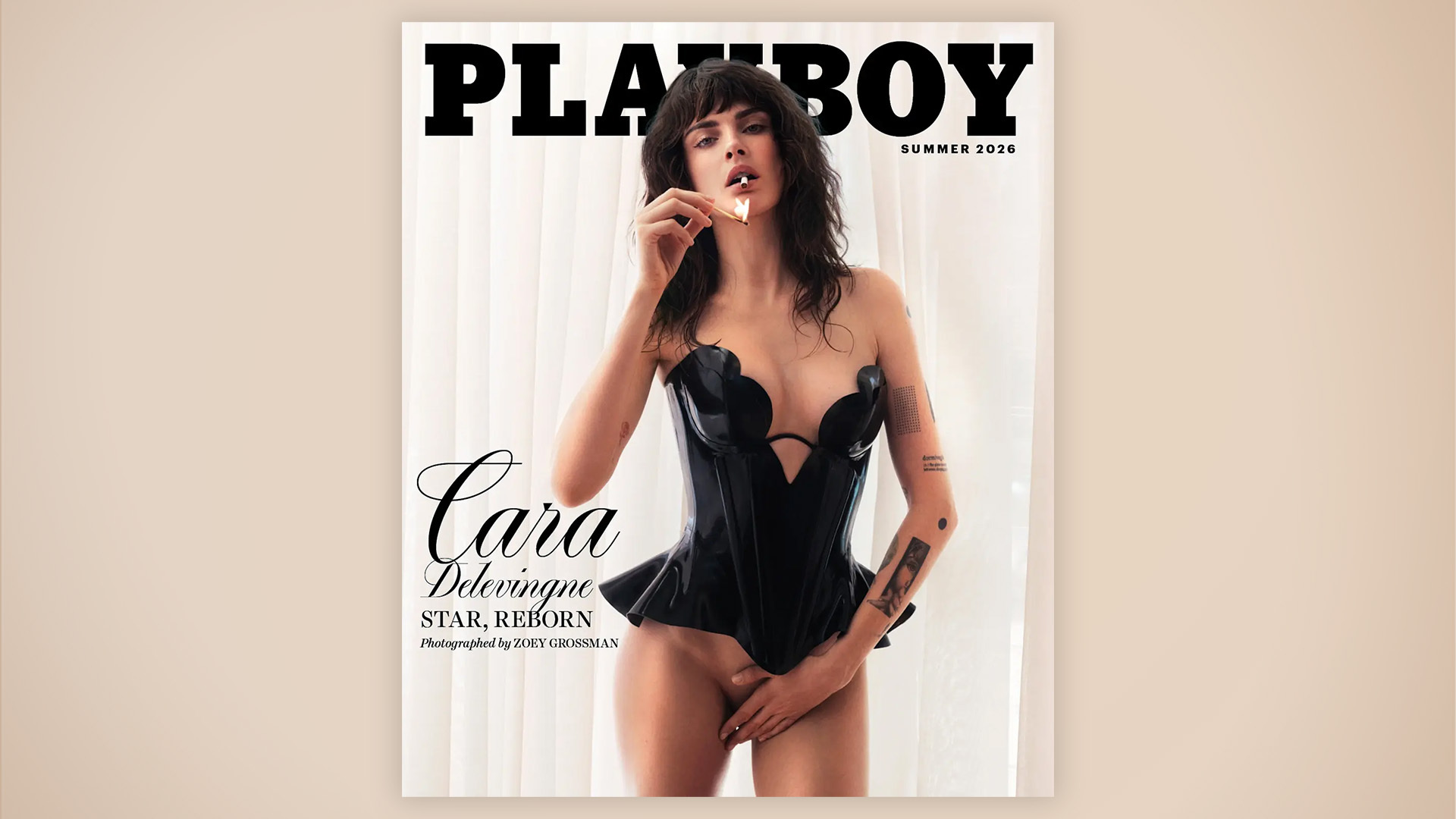

According to Melanie Grün writing in Nius, the 33-year-old model’s appearance in what she dismissively calls the “Busenbibel” (roughly translated as “breast bible”) would surprise no one familiar with Delevingne’s history. A member of the British upper class with close ties to the royal family, Delevingne has weathered public relationship dramas and drug scandals throughout her career, consistently showing little concern for public opinion.
What does raise eyebrows, Grün argues, is Delevingne’s insistence on wrapping the photoshoot in feminist rhetoric. The magazine announced on Instagram that Delevingne was stripping down “for the first time in her career on her own terms.” For the shoot, she reportedly enlisted a predominantly female and queer production team.
The resulting interview veered into what Grün characterizes as “too much information” territory. Delevingne declared her love for her vagina, explaining that she and her anatomy now have “a great relationship with each other” after some time. She went on to celebrate the fun of being naked and the freedom of living out her sexuality and body in a self-determined way.
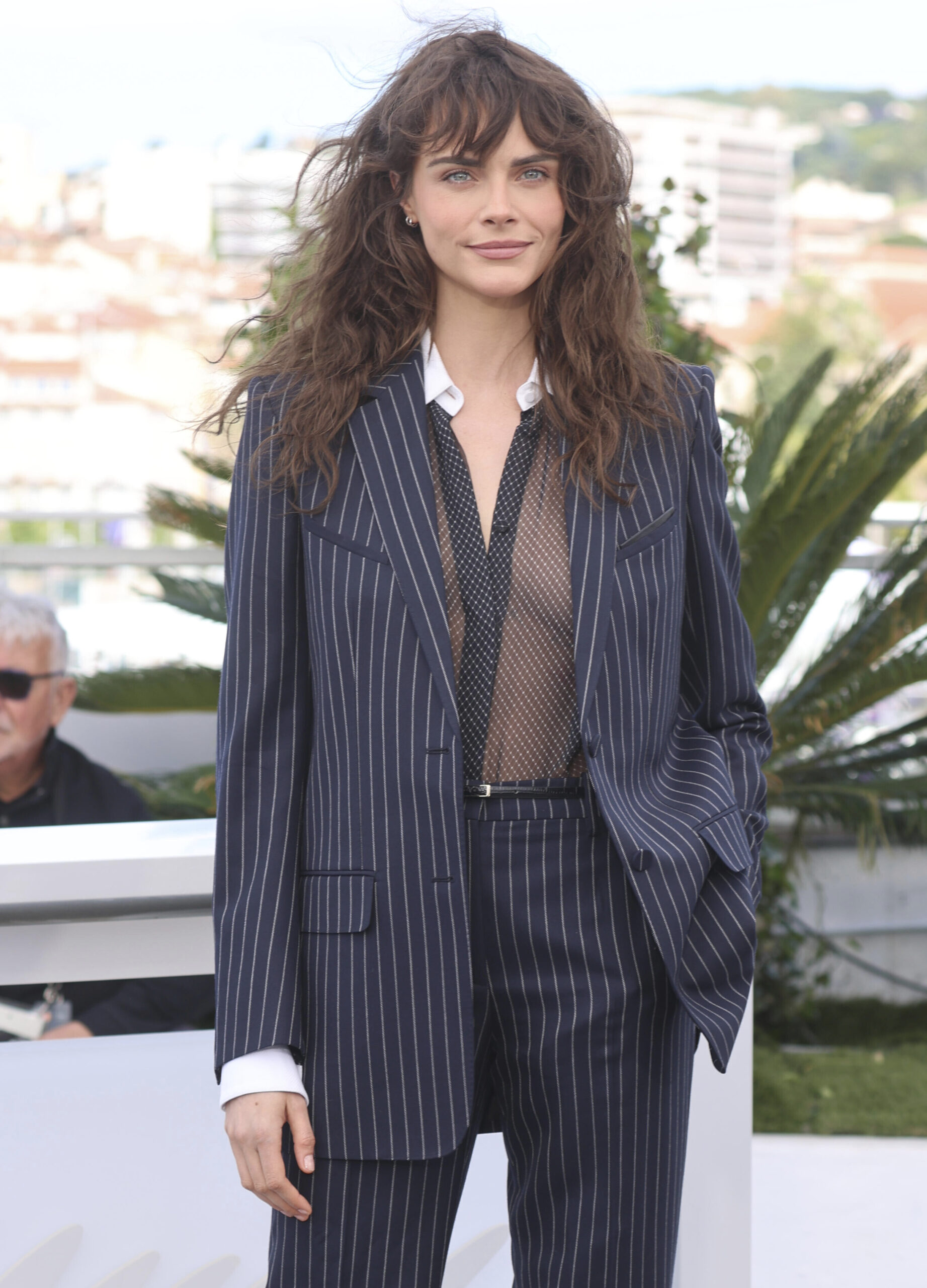
Grün takes particular aim at the word “self-determination,” which she notes some feminists use to justify constant nudity. “In 2026, nobody really cares anymore,” she writes. The columnist points out a contradiction in Delevingne’s statements: the model admitted she had been nude in previous photoshoots and films but always felt slightly uncomfortable when it was for someone else—though she insisted those were her decisions and she had consented, they never felt liberating.
Now, supposedly, these are “liberated” images: Delevingne on all fours in red garters, provocatively posed in a bunny corset with rabbit ears. Grün acknowledges these are beautiful photos of an original woman, but argues nobody needed the accompanying “buzzword bullshit” about feeling more comfortable in her body and sexuality than ever before, and being at her peak as a woman and sexual being.
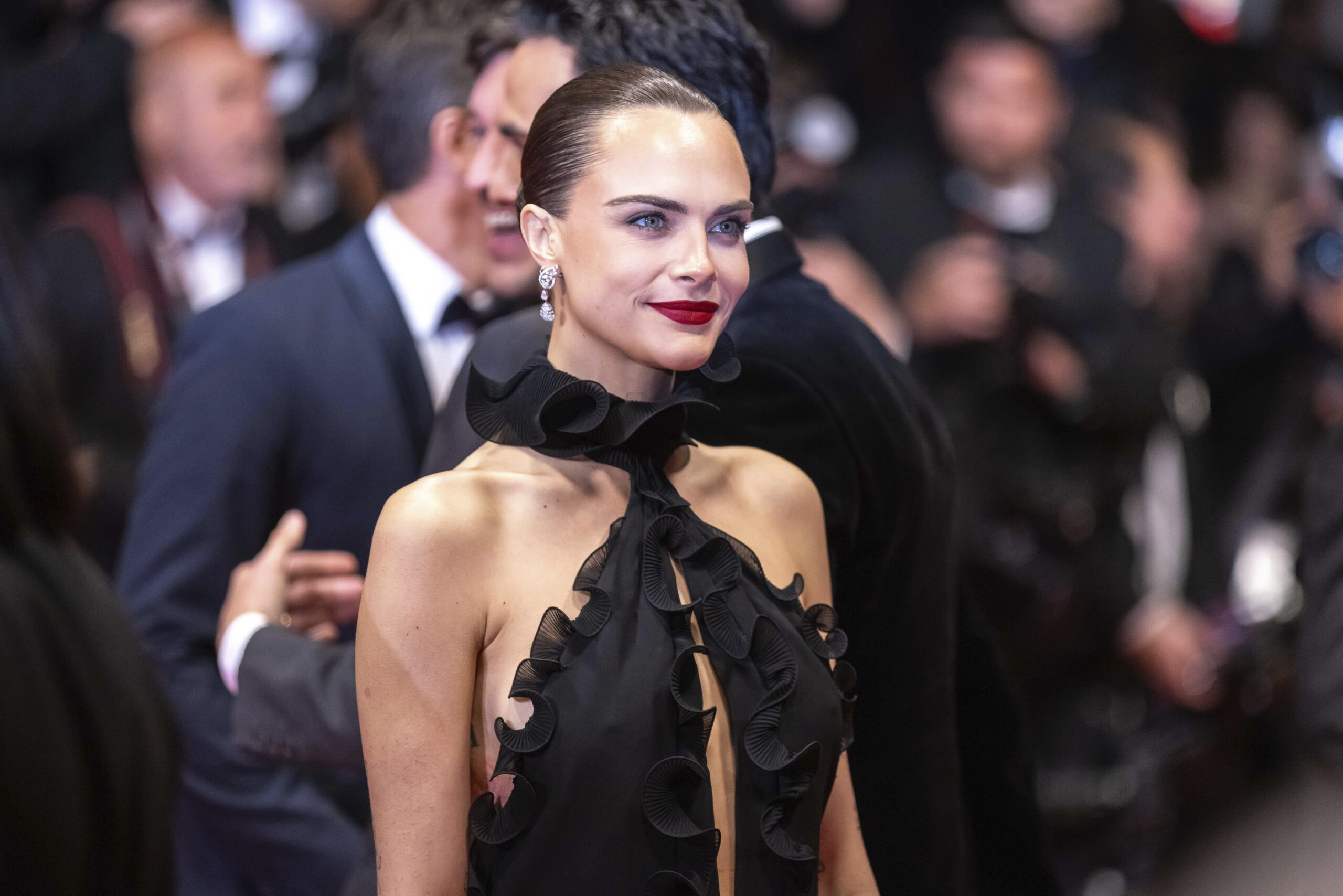
Delevingne has been in a relationship with British musician Minke for four years. She described her Playboy appearance as feeling “a bit like an ‘F*** you’ and like a rebellious gesture” because Playboy is “a thoroughly heterosexual institution.”
Grün dismisses this framing entirely. It’s a presumably well-paid nude shoot with a star who likes her body and sexuality—nothing less, but also nothing more, she argues. Why always the “empowerment sledgehammer”? The columnist notes that Delevingne rather modestly added that too many people worry about how others see them instead of building a good sexual relationship with themselves.
Grün’s verdict is blunt: drop the pants, drop the ideology, and simply enjoy. The constant need to dress up what is fundamentally a commercial photoshoot in the language of liberation and rebellion reveals more about contemporary feminist posturing than genuine empowerment, she contends.
Delevingne has appeared in successful films including “Valerian,” “Paper Towns,” and “Suicide Squad.” She was a guest at the 2018 wedding of Prince Harry and Meghan Markle, reflecting her connections to British high society.
With information from Nius





