Britons Back Farage’s Call for Snap General Election, Poll Shows
A YouGov poll shows 48 percent of British voters support an immediate general election after Keir Starmer's resignation, with Reform UK and Conservative supporters strongly backing the call.
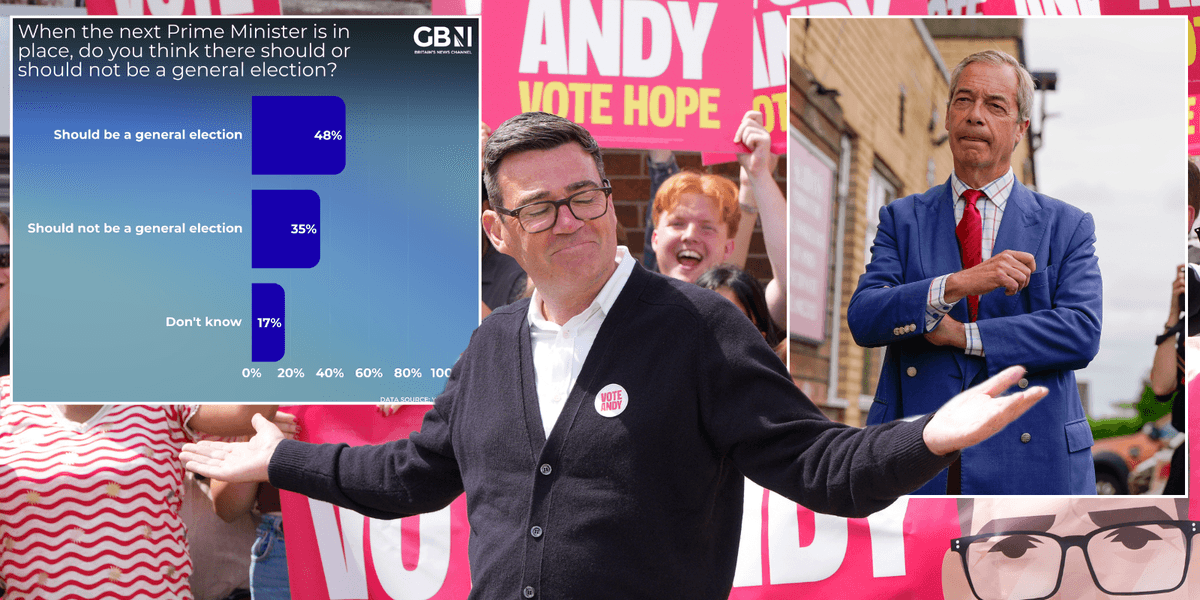

The YouGov survey, as reported by GB News, reveals that 48 per cent of Britons support holding a snap general election, while only 35 per cent oppose the idea and 17 per cent remain undecided.
Nigel Farage, the Member of Parliament for Clacton, issued his demand for a national vote within moments of Sir Keir’s Monday morning resignation statement. Writing on Substack, the Reform UK chief accused the Labour party of planning to delay an election as long as possible to avoid facing voters.
Farage argued that establishment parties operate as a unified bloc to suppress his movement, pointing to coordinated efforts at by-elections and attempts to cancel local elections as evidence of what he termed the “uniparty” system’s fear of Reform UK.
Reform and Conservative Voters Unite Behind Election Call
The polling data reveals a stark partisan divide on the question of an immediate election. Reform UK supporters back Farage’s position almost unanimously, with 88 per cent favouring a snap vote. Conservative voters also strongly support returning to the ballot box, with 72 per cent in favour.
Speaking to Christopher Hope on GB News on Tuesday, Farage emphasized that whoever succeeds Sir Keir as Prime Minister must seek a mandate directly from the British people rather than assuming power through an internal party selection process.
Liberal Democrats and Greens Oppose Fresh Vote
In contrast to the right-of-centre consensus, supporters of the Liberal Democrats and Green Party oppose holding a general election at this time. Both groups registered 52 per cent opposition to an immediate national vote, suggesting these parties prefer the current parliamentary arrangement to continue.
The polling underscores the deep political polarization currently gripping Britain, with voters split largely along existing party lines over whether the country should head back to the polls or allow Labour to select a new leader without electoral validation.
The question of timing now becomes critical, as Labour faces internal pressure to manage its leadership transition while fending off opposition demands for democratic accountability through a general election.
With information from GB News