
Border Czar Homan Defends ICE Shock Gloves as Alternative to Deadly Force
The White House border czar defended ICE's plan to spend up to twenty million dollars on electric shock gloves as a less-lethal tool amid criticism following six deaths by immigration officers since last year.
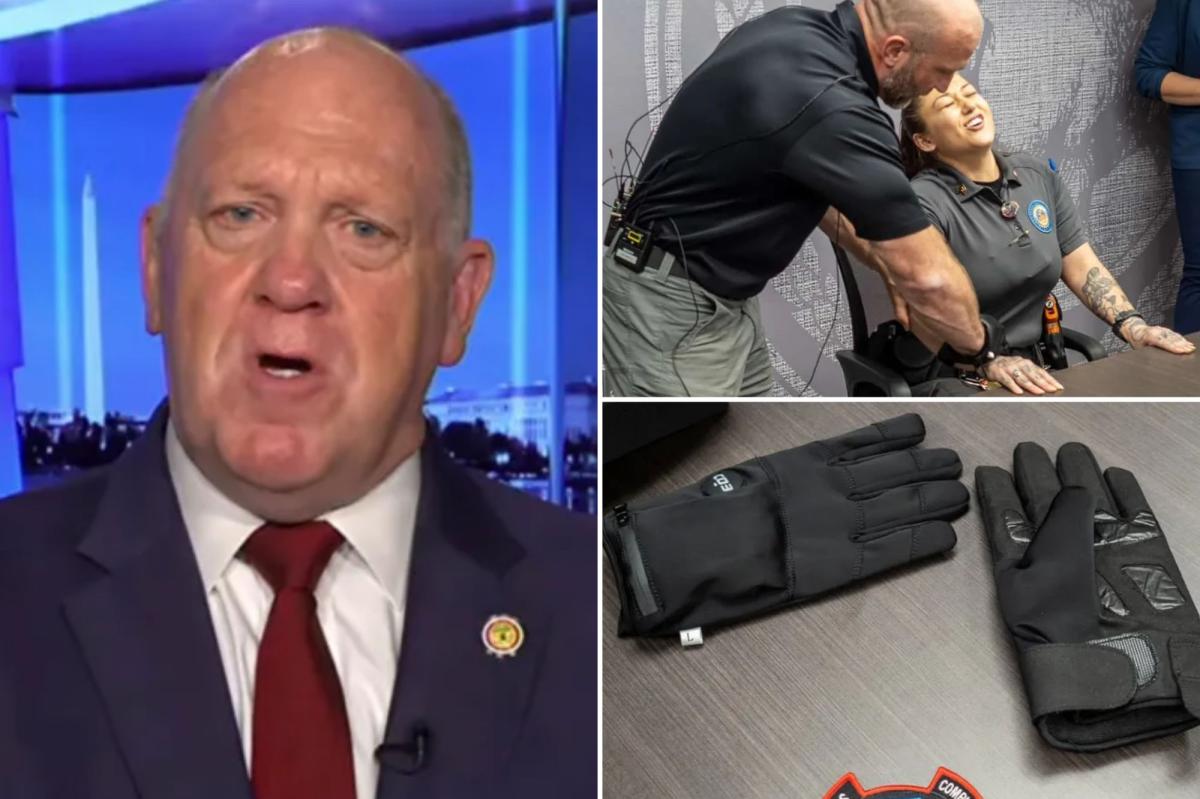

Tom Homan told Fox News Channel that the gloves represent an important tool for officers seeking to gain compliance without resorting to deadly force, according to New York Post. The devices, designated G.L.O.V.E. (Generated Low Output Voltage Emitter), deliver painful electric shocks through hand contact and are manufactured by Compliant Technologies LLC.
ICE plans to spend up to twenty million dollars acquiring thousands of the shock-delivering gloves for its officers and agents. Homan emphasized during his Thursday appearance on Fox & Friends that law enforcement cannot immediately escalate to lethal force and requires intermediate compliance tools.
Six Deaths Since Last Year
The initiative has sparked fierce backlash from civil rights organizations, congressional Democrats, and use-of-force specialists who accuse ICE agents of excessive force during President Donald Trump’s immigration enforcement operations. At least six individuals have been fatally shot by immigration enforcement personnel since last year, including motorists killed last month in Maine and Texas.
Homan contends the gloves could prevent such deadly encounters by offering officers an alternative between verbal commands and lethal weapons, similar to Tasers or pepper spray, for use both on the streets and within detention facilities.
Deployment Still Months Away
The border czar indicated significant time will pass before the gloves see field deployment, as New York Post reports, because ICE continues developing training protocols and policy guidelines.
Nelson County Jailer Justin Hall in Bardstown, Kentucky, provided firsthand testimony Thursday about his facility’s four-year experience with the devices. He reported the gloves have proven effective for gaining inmate compliance during crisis situations without the incapacitation, contact marks, or burn injuries associated with Tasers.
Hall disclosed being shocked more than ten times during training exercises and described the pain as intense but immediately ceasing once skin contact ends. His facility has used the devices sparingly, finding them particularly effective as deterrents when standard de-escalation methods fail.
Calls for More Research
Geoffrey Alpert, a criminology professor at the University of South Carolina specializing in police use-of-force issues, urged broader research into the technology before mass deployment. He suggested ICE should consider a smaller initial purchase given limited knowledge about the devices.
Alpert raised concerns about equipping officers who may lack comprehensive training in de-escalation techniques or non-enforcement public interaction with such devices. He warned that user error becomes predictable when technology is distributed without adequate training frameworks, regardless of the equipment’s technical soundness.
With information from New York Post





