Necessary Cookies

Required for the site to function. Cannot be disabled.

Analytics Cookies

Help us understand how visitors interact with our site (Google Analytics via GTM).

Marketing Cookies

Used to track visitors and deliver personalised advertisements.

We use cookies to enhance your browsing experience and analyse site traffic. By clicking Accept All, you consent to our use of cookies. Privacy Policy
NewsFire Global
Home News Europe World Christianity Culture Wars Opinion Video
Information
About Us Authors Advertising Terms & Conditions Privacy Policy Contact
R2B Media
R2B NEWSFIRE.GR PAPAFOTIS.GR THRACTION HELLENIC CONSERVATIVES RIGHT2THEBONE YT
Opinion Europe

Birmingham wages war on the British flag

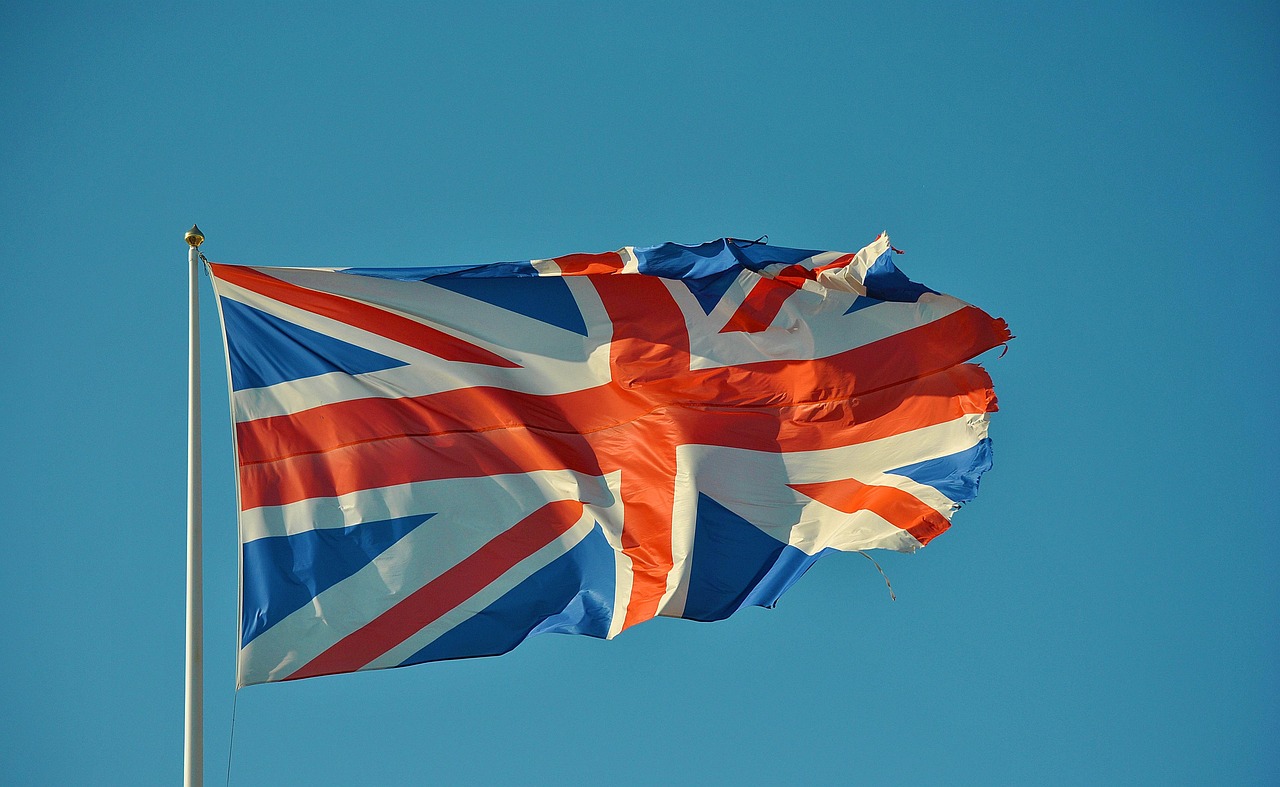
Birmingham City Council has sought a High Court injunction against the "Raise the Colours" campaign for displaying UK and English flags, citing safety concerns amid accusations of double standards.
Apostolos Pistolas
Apostolos Pistolas Political Analyst
SEPTEMBER 1, 2026 AT 12:30 PM

The council is run by a minority coalition of Liberal Democrats, Greens and independents (mostly Muslims). Its leader is Liberal Democrat Roger Harmer, while Green councillor Jane Baston holds responsibility for equality and social cohesion.

According to the 2021 census, in Birmingham’s population of approximately 1.18 million, white residents make up 48.6% of the population, Asians/British Asians 31%, and black residents nearly 11%. A significant portion of the population is Muslim, which is why they play a role on the city council.

To justify its decision, the council cites public safety grounds: flags attached to poles are considered unauthorised objects that could weaken infrastructure or endanger pedestrians and drivers. It also cites harassment of workers removing the flags, repeated replacement, and risk to social cohesion.

The council insists its policy applies to any unauthorised object and does not target a specific community, but the truth is that the “Raise the Colours” campaign is the target. Critics of this decision, moreover, point out that Palestinian flags remained in certain areas for extended periods, creating the impression of double standards. Something that is not the first time it has happened.

Such decisions, firstly, demonstrate how a change in the electorate leads to a change in representatives, a change in policies and, ultimately, a change in way of life. Secondly, they demonstrably heighten polarisation. When national symbols are treated as a security problem while other flags are left undisturbed, it reinforces the sense that patriotic expression is being restricted.

This can lead to greater distrust of institutions, the strengthening of movements that present themselves as defenders of national identity, and further erosion of the common sense of “belonging” in an already fragmented city. The legal route may create a precedent for stricter limits on public displays of identity. If that happens, the United Kingdom will enter a new period during which it will look anything but united.

First published tomanifesto.gr

Share:
Apostolos Pistolas
Apostolos Pistolas

Apostolos Pistolas is a strategy consultant and founder of Mastermind Analytics. He holds a degree in Economics, a master's in Communication Marketing, and a PhD in voter behavior. He has served as a political advisor to the former Deputy Prime Minister of Wales. For several years, he was a lecturer and later an assistant professor at the University of Gloucestershire, specializing in strategic and political marketing. He has led and participated in various electoral campaigns in Wales, England, and Greece for national and local elections. He has designed strategic communication for dozens of businesses across different sectors in the United Kingdom. His articles, interviews, and analyses have been featured in Greek media.

Recent News

The council is run by a minority coalition of Liberal Democrats, Greens and independents (mostly Muslims). Its leader is Liberal Democrat Roger Harmer, while Green councillor Jane Baston holds responsibility for equality and social cohesion.

According to the 2021 census, in Birmingham’s population of approximately 1.18 million, white residents make up 48.6% of the population, Asians/British Asians 31%, and black residents nearly 11%. A significant portion of the population is Muslim, which is why they play a role on the city council.

To justify its decision, the council cites public safety grounds: flags attached to poles are considered unauthorised objects that could weaken infrastructure or endanger pedestrians and drivers. It also cites harassment of workers removing the flags, repeated replacement, and risk to social cohesion.

The council insists its policy applies to any unauthorised object and does not target a specific community, but the truth is that the “Raise the Colours” campaign is the target. Critics of this decision, moreover, point out that Palestinian flags remained in certain areas for extended periods, creating the impression of double standards. Something that is not the first time it has happened.

Such decisions, firstly, demonstrate how a change in the electorate leads to a change in representatives, a change in policies and, ultimately, a change in way of life. Secondly, they demonstrably heighten polarisation. When national symbols are treated as a security problem while other flags are left undisturbed, it reinforces the sense that patriotic expression is being restricted.

This can lead to greater distrust of institutions, the strengthening of movements that present themselves as defenders of national identity, and further erosion of the common sense of “belonging” in an already fragmented city. The legal route may create a precedent for stricter limits on public displays of identity. If that happens, the United Kingdom will enter a new period during which it will look anything but united.

First published tomanifesto.gr