Necessary Cookies

Required for the site to function. Cannot be disabled.

Analytics Cookies

Help us understand how visitors interact with our site (Google Analytics via GTM).

Marketing Cookies

Used to track visitors and deliver personalised advertisements.

We use cookies to enhance your browsing experience and analyse site traffic. By clicking Accept All, you consent to our use of cookies. Privacy Policy
NewsFire Global
Home News Europe World Christianity Culture Wars Opinion Video
Information
About Us Authors Advertising Terms & Conditions Privacy Policy Contact
R2B Media
R2B NEWSFIRE.GR PAPAFOTIS.GR THRACTION HELLENIC CONSERVATIVES RIGHT2THEBONE YT
News World

Biden Judge Blocks ICE Arrests at Immigration Courts

A Biden-appointed federal judge blocked Trump immigration policies including ICE courthouse arrests nationwide, drawing sharp criticism from administration officials who called it judicial overreach.

Stefanos Banos
Stefanos Banos Staff Writer
JUNE 24, 2026 AT 1:49 PM

A Biden-appointed federal judge in California has sparked fierce backlash from Trump administration officials and conservative legal experts after blocking key immigration enforcement policies nationwide, including allowing ICE arrests at immigration courthouses and extending detention times for illegal immigrants in short-term facilities.

According to Washington Examiner, U.S. District Judge P. Casey Pitts of the Northern District of California ruled that the policies violated the Administrative Procedure Act, claiming federal agencies failed to adequately justify abandoning earlier restrictions on courthouse arrests and detention practices. Pitts vacated the policies nationwide in a 71-page opinion issued Tuesday evening.
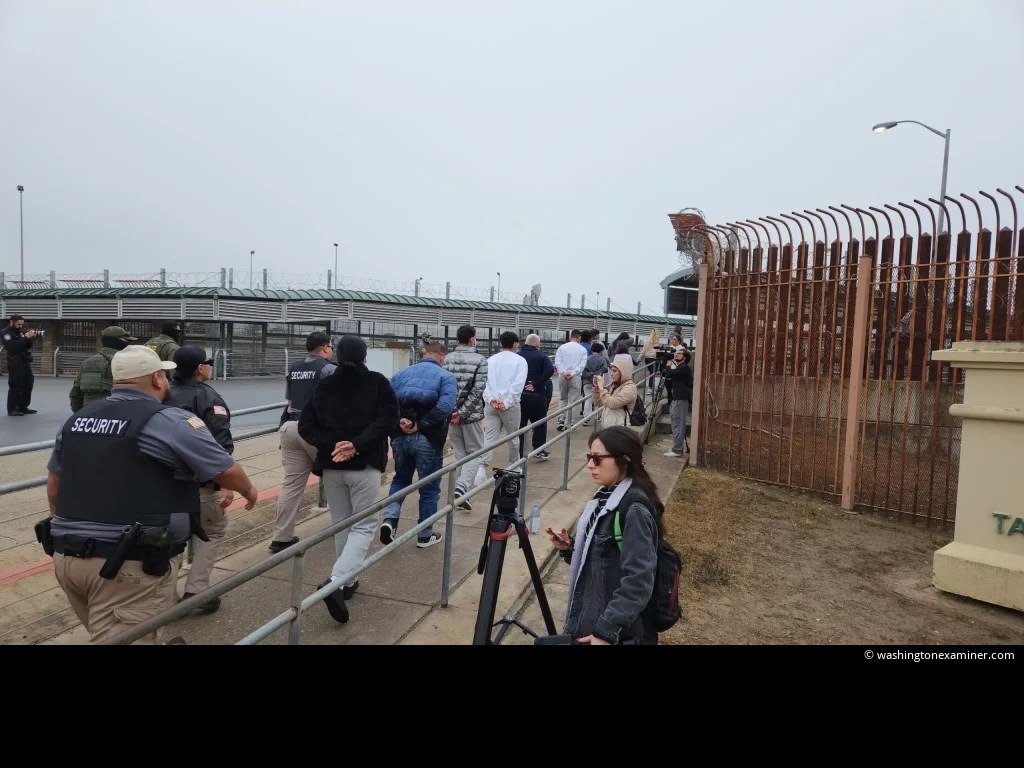

The ruling drew immediate and sharp condemnation from administration officials who characterized it as judicial overreach aimed at sabotaging lawful immigration enforcement.

James Percival, general counsel for the Department of Homeland Security, posted on X that the decision represented pure judicial activism. He argued that just as criminal defendants are taken into custody when sentenced, illegal aliens ordered removed by immigration judges should face the same consequence.

Florida Governor Ron DeSantis also condemned the ruling as yet another instance of partisan judges obstructing immigration enforcement, emphasizing that the American people voted for the law to be enforced.

Iowa Solicitor General Eric Wessan questioned the legal basis of the decision, pointing out that no federal law prohibits ICE arrests at courthouses. He argued the ruling wrongly prevents ICE from arresting criminal illegal aliens who appear at courthouses.

Pitts, appointed by Biden in 2022, concluded that both ICE and the Executive Office for Immigration Review failed to provide adequate justification for rescinding policies that previously restricted immigration arrests at courthouses and immigration courts.

The practice of arresting migrants at immigration courts expanded significantly after DHS updated its policy last year, permitting ICE agents to detain individuals when they appear before immigration judges. Immigration advocates and Democratic lawmakers have claimed the tactic discourages migrants from attending court proceedings.

Pitts sided with those concerns, asserting that ICE failed to address the rationale behind earlier guidance warning that courthouse arrests could reduce hearing attendance and impede access to justice. The judge found the agencies had not provided a rational explanation for removing those restrictions.

The opinion noted that ICE’s 2025 guidance eliminated previous limitations on courthouse arrests and left officers without meaningful internal restrictions governing civil immigration arrests at immigration courthouses.

Pitts also cited evidence showing courthouse arrests surged after the policies took effect, and that a former immigration judge reported a dramatic decline in attendance at hearings following the increase in enforcement activity.

The ruling additionally struck down a separate ICE policy that waived the agency’s long-standing 12-hour limit on detention in short-term holding facilities. The June 2025 waiver allowed detainees to remain in holding facilities for up to 72 hours, and longer in exceptional circumstances, due to increased enforcement operations and a shortage of detention space.

Pitts found this policy unlawful as well, concluding ICE failed to adequately consider alternatives to extended detention and did not address whether facilities designed for short-term confinement were suitable for overnight or multiday detention. The opinion noted that some detainees in San Francisco were held overnight or for several days in facilities originally intended for short-term processing.

Previous Courthouse Arrest Ruling

The California ruling comes approximately one month after U.S. District Judge P. Kevin Castel, appointed by former President George W. Bush in New York, similarly blocked immigration courthouse arrests in Manhattan, as Washington Examiner reports. Castel likewise found that the administration’s withdrawal of prior restrictions on courthouse enforcement actions was arbitrary and capricious.

DHS had not announced an appeal as of Tuesday evening, though the administration is expected to seek emergency review from the 9th U.S. Circuit Court of Appeals.

With information from Washington Examiner

Share:
Stefanos Banos
Stefanos Banos

Stefanos Banos was born in Piraeus and is an editor at NewsFire.GR, specializing in political analysis and international relations. He graduated from the Department of Communication and Media at the University of Bremen in Germany, where he also completed his Master of Arts in Communication and Media Studies. Married to Zoi, he is a proud father of three boys.

A Biden-appointed federal judge in California has sparked fierce backlash from Trump administration officials and conservative legal experts after blocking key immigration enforcement policies nationwide, including allowing ICE arrests at immigration courthouses and extending detention times for illegal immigrants in short-term facilities.

According to Washington Examiner, U.S. District Judge P. Casey Pitts of the Northern District of California ruled that the policies violated the Administrative Procedure Act, claiming federal agencies failed to adequately justify abandoning earlier restrictions on courthouse arrests and detention practices. Pitts vacated the policies nationwide in a 71-page opinion issued Tuesday evening.

The ruling drew immediate and sharp condemnation from administration officials who characterized it as judicial overreach aimed at sabotaging lawful immigration enforcement.

James Percival, general counsel for the Department of Homeland Security, posted on X that the decision represented pure judicial activism. He argued that just as criminal defendants are taken into custody when sentenced, illegal aliens ordered removed by immigration judges should face the same consequence.

Florida Governor Ron DeSantis also condemned the ruling as yet another instance of partisan judges obstructing immigration enforcement, emphasizing that the American people voted for the law to be enforced.

Iowa Solicitor General Eric Wessan questioned the legal basis of the decision, pointing out that no federal law prohibits ICE arrests at courthouses. He argued the ruling wrongly prevents ICE from arresting criminal illegal aliens who appear at courthouses.

Pitts, appointed by Biden in 2022, concluded that both ICE and the Executive Office for Immigration Review failed to provide adequate justification for rescinding policies that previously restricted immigration arrests at courthouses and immigration courts.

The practice of arresting migrants at immigration courts expanded significantly after DHS updated its policy last year, permitting ICE agents to detain individuals when they appear before immigration judges. Immigration advocates and Democratic lawmakers have claimed the tactic discourages migrants from attending court proceedings.

Pitts sided with those concerns, asserting that ICE failed to address the rationale behind earlier guidance warning that courthouse arrests could reduce hearing attendance and impede access to justice. The judge found the agencies had not provided a rational explanation for removing those restrictions.

The opinion noted that ICE’s 2025 guidance eliminated previous limitations on courthouse arrests and left officers without meaningful internal restrictions governing civil immigration arrests at immigration courthouses.

Pitts also cited evidence showing courthouse arrests surged after the policies took effect, and that a former immigration judge reported a dramatic decline in attendance at hearings following the increase in enforcement activity.

The ruling additionally struck down a separate ICE policy that waived the agency’s long-standing 12-hour limit on detention in short-term holding facilities. The June 2025 waiver allowed detainees to remain in holding facilities for up to 72 hours, and longer in exceptional circumstances, due to increased enforcement operations and a shortage of detention space.

Pitts found this policy unlawful as well, concluding ICE failed to adequately consider alternatives to extended detention and did not address whether facilities designed for short-term confinement were suitable for overnight or multiday detention. The opinion noted that some detainees in San Francisco were held overnight or for several days in facilities originally intended for short-term processing.

Previous Courthouse Arrest Ruling

The California ruling comes approximately one month after U.S. District Judge P. Kevin Castel, appointed by former President George W. Bush in New York, similarly blocked immigration courthouse arrests in Manhattan, as Washington Examiner reports. Castel likewise found that the administration’s withdrawal of prior restrictions on courthouse enforcement actions was arbitrary and capricious.

DHS had not announced an appeal as of Tuesday evening, though the administration is expected to seek emergency review from the 9th U.S. Circuit Court of Appeals.

With information from Washington Examiner


