
Belgian and French Police Dismantle Europe Drug Ring
Belgian and French authorities dismantled a drug trafficking network using modified vehicles with hidden compartments, arresting eleven people and seizing cash, vehicles, and electronics.
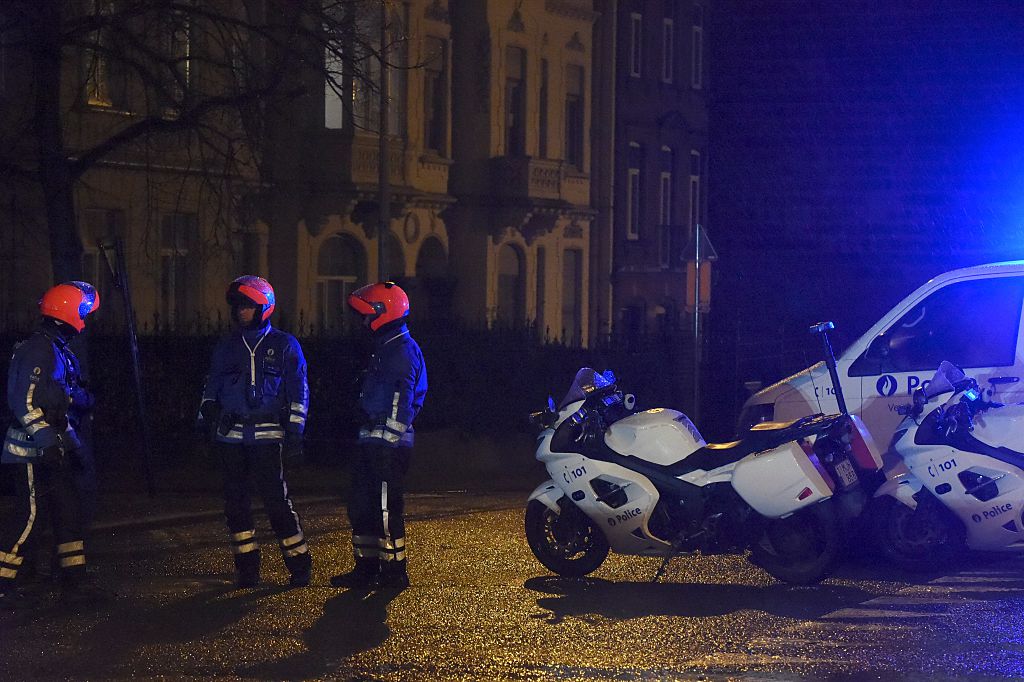

The coordinated police action resulted in eleven arrests and the seizure of €60,000 in cash, according to Brussels Signal. Law enforcement also confiscated multiple vehicles, luxury items, dozens of mobile phones, computers, and case-related documents, the European Union Agency for Criminal Justice Cooperation confirmed.
Eurojust reported that the criminal network had been trafficking substantial quantities of drugs between several European countries, with shipments originating from France and Belgium before being transported south.
The trafficking group prepared vehicles equipped with hidden compartments designed to conceal illegal substances during cross-border journeys through France to Italy and Spain. The agency provided limited details about the network’s operational reach within the destination countries.
Key Suspects Based in Brussels
Investigators determined that multiple central figures in the operation had been residing in Brussels. The enforcement action took place on June 9 in Belgium, though authorities delayed public disclosure until June 15.
Despite the arrests, law enforcement suspects that some network members had already fled Belgium before the operation. However, those individuals have been identified even though they remain outside the country, according to Eurojust.
Growing Threat of Cross-Border Drug Networks
The Hague-based Eurojust coordinates judicial cooperation among EU member states on serious transnational criminal cases, with drug trafficking representing a significant portion of the organized crime it combats.
The agency did not disclose the type or quantity of narcotics involved, the total value of shipments moved, or the identities of suspects and specific charges they face.
Belgium and France have emerged as critical departure hubs for trafficking organizations supplying southern Europe. Such operations increasingly involve multiple jurisdictions simultaneously, requiring enhanced coordination among European law enforcement agencies.
Europol, the European Union’s police agency, has assessed that 50 percent of the most dangerous criminal networks active in the bloc participate in the drug trade, characterizing it as among the most severe security threats confronting Europe.
The investigation remains active, with Eurojust confirming that some suspects are still being pursued by authorities.
With information from Brussels Signal





