Necessary Cookies

Required for the site to function. Cannot be disabled.

Analytics Cookies

Help us understand how visitors interact with our site (Google Analytics via GTM).

Marketing Cookies

Used to track visitors and deliver personalised advertisements.

We use cookies to enhance your browsing experience and analyse site traffic. By clicking Accept All, you consent to our use of cookies. Privacy Policy
NewsFire Global
Home News Europe World Christianity Culture Wars Opinion Video
Information
About Us Authors Advertising Terms & Conditions Privacy Policy Contact
R2B Media
R2B NEWSFIRE.GR PAPAFOTIS.GR THRACTION HELLENIC CONSERVATIVES RIGHT2THEBONE YT
News Europe

Bavaria Forces Asylum Seekers Into Community Service Work

Just 3,776 asylum seekers were assigned to mandatory community service in Bavaria as of March, prompting criticism over poor enforcement of German asylum work requirements.


Dimitris Papafotis
Dimitris Papafotis Editor in Chief
JUNE 14, 2026 AT 9:02 AM

The figures come from a written response by Bavarian Interior Minister Joachim Herrmann to a parliamentary inquiry filed by Gerd Mannes, an Alternative for Germany lawmaker in the state legislature, as Nius reports. The response confirmed that on March 31, 2026, exactly 3,776 work placements under Section 5 of the Asylum Seekers Benefits Act were filled at state, municipal and nonprofit organizations across Bavaria.

In 166 cases, asylum seekers faced sanctions for refusing work assignments without valid justification. Under German law, such refusals trigger a reduction in benefits to in-kind provisions only, covering food, accommodation, and basic hygiene and health needs.

No Data on Total Eligible Population

When Nius requested information on how many asylum seekers in Bavaria would actually qualify for community service assignments, the Interior Ministry admitted it cannot provide numbers. According to the ministry’s statement, the group of benefit recipients under asylum law who are able-bodied, not employed, and beyond school age cannot be statistically evaluated. The ministry explained that individual characteristics such as work capability are not systematically recorded, and that inability to work is only claimed and verified when a specific work assignment is proposed.
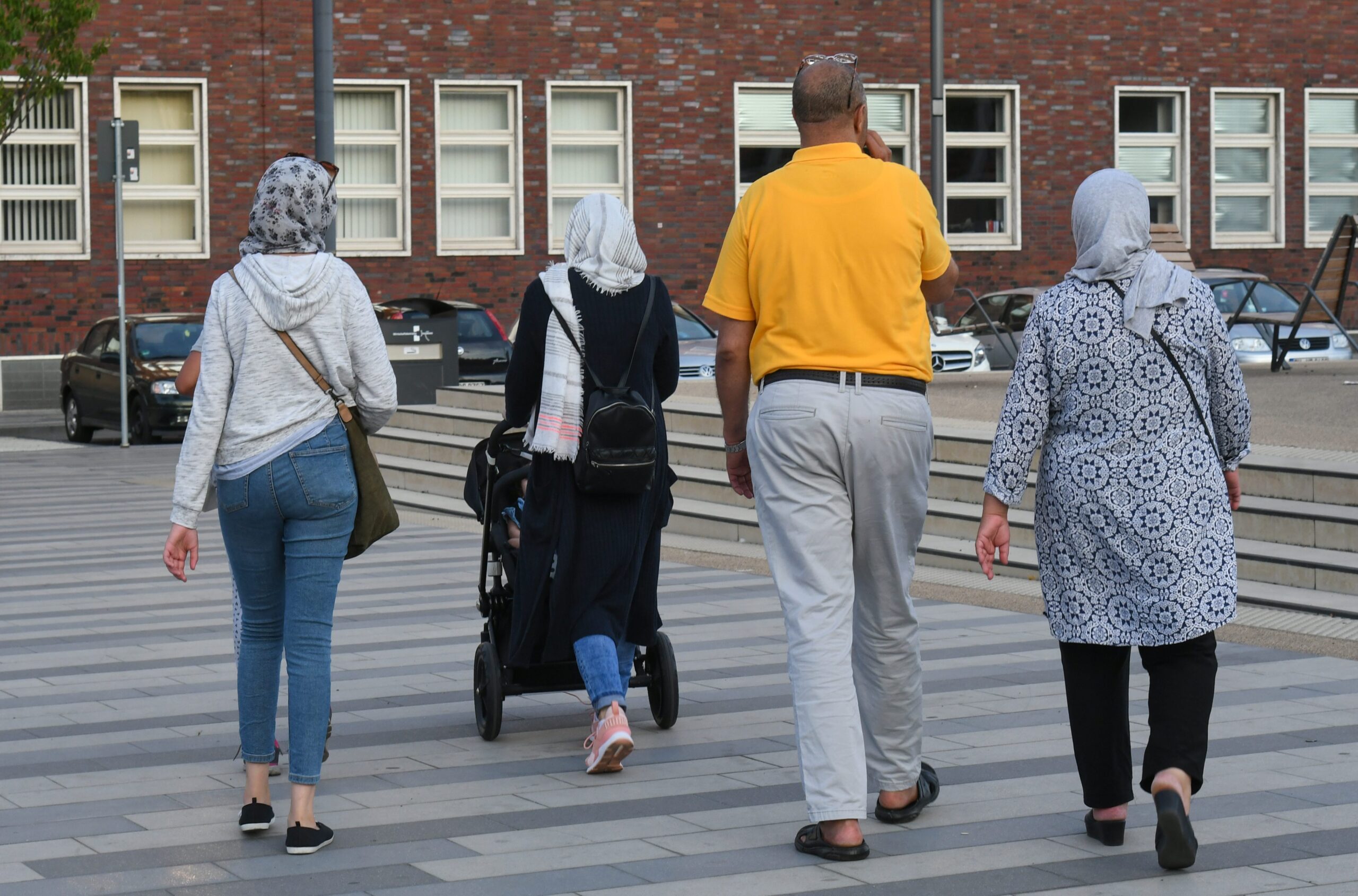
Laut bayerischem Innenministerium gibt es keine statistische Erhebung, wie viele leistungsberechtigte Asylbewerber grundsätzlich arbeitsfähig sind.
Photo: nius.de

AfD Lawmaker Criticizes Enforcement Gap

Gerd Mannes, deputy parliamentary group leader for the AfD in the Bavarian state parliament, criticized the figures as evidence of poor implementation. He argued that the Christian Social Union introduced the work requirement for asylum seekers only under pressure from the AfD and in response to the party’s electoral gains, but has failed badly in enforcement. Mannes stated that the government’s response to his inquiry shows only 3,776 placements were occupied as of the reporting date, even though the potential number of eligible individuals is many times higher.

The absence of comprehensive data on work-capable asylum recipients prevents any clear assessment of compliance rates or enforcement effectiveness across Bavaria, Germany’s second-largest state by population.

With information from Nius

Share:
Dimitris Papafotis
Dimitris Papafotis

Dimitris Papafotis is the editor-in-chief of NewsFire.GR. He was born and raised in Athens. He studied at the Journalism Workshop (1991-1993). He currently lives in Pyrgos, Ilia, where he has been active in radio and various newspapers, while also maintaining his personal blog, Papafotis.gr.

The figures come from a written response by Bavarian Interior Minister Joachim Herrmann to a parliamentary inquiry filed by Gerd Mannes, an Alternative for Germany lawmaker in the state legislature, as Nius reports. The response confirmed that on March 31, 2026, exactly 3,776 work placements under Section 5 of the Asylum Seekers Benefits Act were filled at state, municipal and nonprofit organizations across Bavaria.

In 166 cases, asylum seekers faced sanctions for refusing work assignments without valid justification. Under German law, such refusals trigger a reduction in benefits to in-kind provisions only, covering food, accommodation, and basic hygiene and health needs.

No Data on Total Eligible Population

When Nius requested information on how many asylum seekers in Bavaria would actually qualify for community service assignments, the Interior Ministry admitted it cannot provide numbers. According to the ministry’s statement, the group of benefit recipients under asylum law who are able-bodied, not employed, and beyond school age cannot be statistically evaluated. The ministry explained that individual characteristics such as work capability are not systematically recorded, and that inability to work is only claimed and verified when a specific work assignment is proposed.

Laut bayerischem Innenministerium gibt es keine statistische Erhebung, wie viele leistungsberechtigte Asylbewerber grundsätzlich arbeitsfähig sind.
Photo: nius.de

AfD Lawmaker Criticizes Enforcement Gap

Gerd Mannes, deputy parliamentary group leader for the AfD in the Bavarian state parliament, criticized the figures as evidence of poor implementation. He argued that the Christian Social Union introduced the work requirement for asylum seekers only under pressure from the AfD and in response to the party’s electoral gains, but has failed badly in enforcement. Mannes stated that the government’s response to his inquiry shows only 3,776 placements were occupied as of the reporting date, even though the potential number of eligible individuals is many times higher.

The absence of comprehensive data on work-capable asylum recipients prevents any clear assessment of compliance rates or enforcement effectiveness across Bavaria, Germany’s second-largest state by population.

With information from Nius