
After San Diego Attack, Muslim Leadership Faces Scrutiny
A Muslim American community leader criticized CAIR for exploiting the San Diego Islamic Center massacre for political gain and accused media of silencing moderate Muslims by treating CAIR as Islam's sole voice.
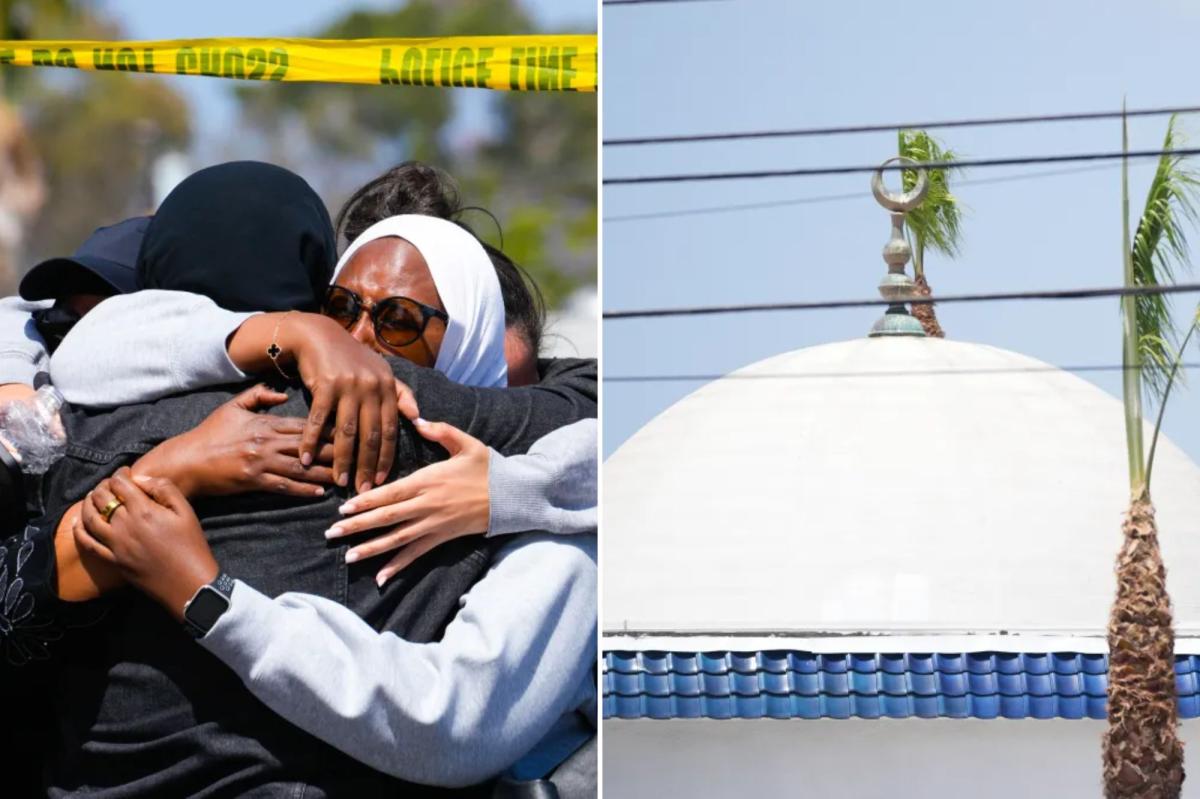

The attack last month claimed three lives at the Islamic Center of San Diego, according to New York Post. Security guard Amin Abdullah confronted the attackers with gunfire, preventing them from reaching classrooms where approximately 140 children were studying. Abdullah died protecting those children.
Federal investigators identified the killers as two teenagers radicalized online through white nationalist accelerationist ideology. The FBI reports the attackers left behind writings filled with anti-Muslim, antisemitic and anti-LGBTQ hatred, displayed Nazi symbols on their weapons and equipment, and used firearms taken from a parent’s home.
Former Civic Leader Challenges CAIR’s Monopoly
The author, a former youth and families commissioner for Irvine, California, and public school teacher, says she was pushed out of Southern California community circles not by anti-Muslim bigots but by fellow Muslims for refusing to align with CAIR’s positions.
She expressed alarm at watching CNN and other major networks turn to CAIR within hours of the shooting as though the organization were the natural voice of American Muslims, as reported by New York Post.
The FBI in 2009 publicly stated it no longer considered CAIR an appropriate liaison partner following the Holy Land Foundation terror-financing trial. That documented history has troubled federal investigators, moderate Muslims and Muslim women, yet media organizations continue positioning CAIR as the authoritative Muslim voice on national tragedies.
Opportunism Over Leadership
Hussam Ayloush, CEO of CAIR California, told media outlets he was deeply disturbed but not surprised by the attack, immediately connecting it to comments by national lawmakers addressing extremism. Within hours of three Muslim men being murdered by neo-Nazi teenagers, the messaging focused on assigning political blame.
The author characterizes this response as opportunism rather than leadership.
She recounts organizing an interfaith event at the Skirball Cultural Center several months ago, bringing together Muslims from around the world with Jewish community leaders for dialogue. CAIR and the Southern California Shura Council called for a boycott of the event, titled “Breaking Bread.” They boycotted dialogue itself.
Call for Media Accountability
Muslim Americans need leaders capable of identifying antisemitism and Islamophobia as manifestations of the same hatred, the author argues. They need leaders who can grieve tragedy without immediately pivoting to lists of political enemies, and who build bridges with Jewish neighbors recognizing that attackers targeting synagogues in Pittsburgh, supermarkets in Buffalo, churches in Charleston and now mosques in San Diego all drew from the same poisoned well of extremism.
Media producers booking CAIR hand legitimacy to one organization while silencing countless others, she warns. Muslim women’s organizations, reformist scholars, interfaith leaders, Pakistani American civic groups, Iranian American voices, Bosnian American voices, Sufi communities, Ahmadi communities and ordinary mosque-goers across America do not see CAIR as their voice.
The fallen deserve better than recycled talking points, she concludes. Muslim American leadership must be built on faith and genuine service to the country that has provided freedoms previous generations could only dream of.
With information from New York Post





