
AfD Surges to Historic Nine-Point Lead Over CDU in Germany
Germany's nationalist AfD party has surged to a historic nine-point lead over the Christian Democrats with 29 percent support, while traditional governing parties face their worst polling in decades.
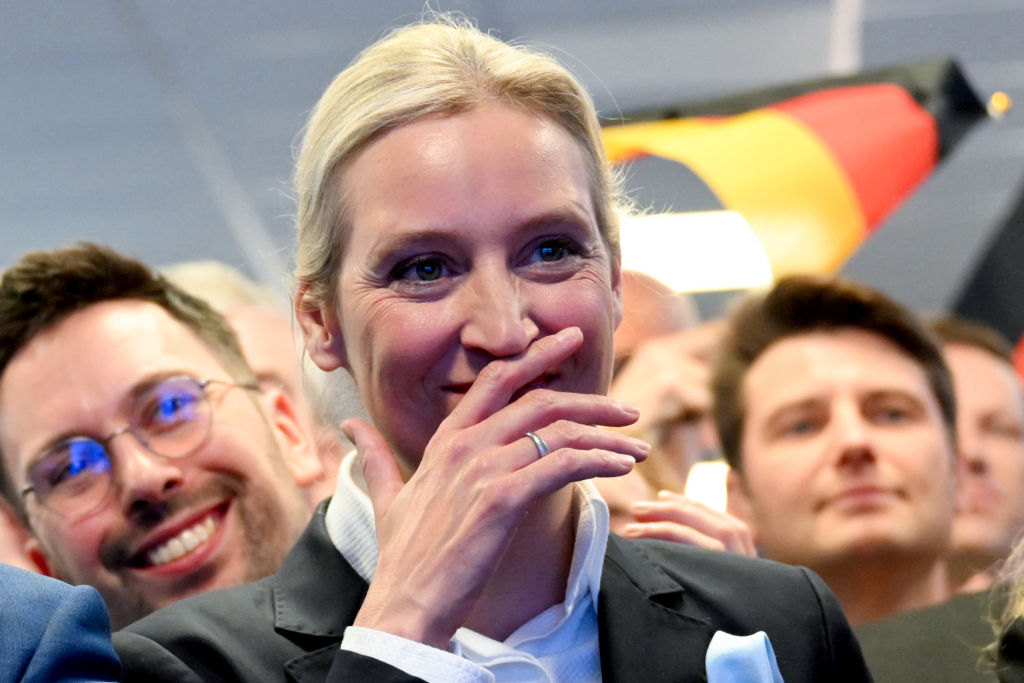

The latest YouGov survey shows the AfD commanding 29 per cent of national support, just one point below the symbolically significant 30 per cent threshold, according to Brussels Signal. Meanwhile, the CDU/CSU has plummeted to 20 per cent, its weakest showing in five years.
The dramatic polling collapse of Germany’s traditional governing parties means that the CDU and its Bavarian sister party together now command barely a third of the electorate, marking a sharp departure from decades of political dominance.
Mainstream Parties in Freefall
For most of Germany’s post-war history, the Christian Democrats and Social Democrats formed the foundation of the country’s political system. Those days appear to be over.
The SPD has crashed to just 12 per cent support, tying with the hard left Die Linke party and reaching its lowest level in YouGov’s regular polling series. Despite maintaining a membership base of roughly 350,000, the Social Democrats have lost their connection with voters at the ballot box.
The CDU and CSU still count nearly half a million members between them, yet organizational strength has failed to translate into electoral support. The Greens stand at 14 per cent, while the FDP polls at 5 per cent.
AfD Poised for Historic State Victory
Alice Weidel‘s party is no longer confined to its eastern German strongholds. The nationalist Right’s appeal has broadened considerably across the country, threatening to reshape Germany’s political landscape entirely.
In Saxony-Anhalt, the AfD is polling around 38 per cent compared to the CDU’s 25 per cent. These numbers suggest the possibility of an outright parliamentary majority for the AfD, which would result in the first AfD-led state government in German history.
The party’s smaller membership base has proven no obstacle to its electoral momentum, as traditional party structures appear increasingly irrelevant to German voters seeking change.
Firewall Strategy Collapses
For years, Germany’s political establishment relied on what it called a “firewall” strategy, with all major parties refusing any cooperation with the AfD while betting the party would eventually plateau and decline.
That strategy has now comprehensively failed. Neither the Greens nor Die Linke has succeeded in channeling widespread discontent with successive SPD and CDU governments since 2021 into a coherent alternative capable of challenging the AfD’s rise.
The nationalist Right has become the primary beneficiary of voter anger toward the traditional parties, despite years of concerted efforts by Germany’s political and media establishment to marginalize the movement.
Chancellor Friedrich Merz, who took office earlier this year, has so far been unable to reverse his party’s fortunes or stem the tide of support flowing to the AfD.
With information from Brussels Signal





