Necessary Cookies

Required for the site to function. Cannot be disabled.

Analytics Cookies

Help us understand how visitors interact with our site (Google Analytics via GTM).

Marketing Cookies

Used to track visitors and deliver personalised advertisements.

We use cookies to enhance your browsing experience and analyse site traffic. By clicking Accept All, you consent to our use of cookies. Privacy Policy
NewsFire Global
Home News Europe World Christianity Culture Wars Opinion Video
Information
About Us Authors Advertising Terms & Conditions Privacy Policy Contact
R2B Media
R2B NEWSFIRE.GR PAPAFOTIS.GR THRACTION HELLENIC CONSERVATIVES RIGHT2THEBONE YT
News Europe

AfD Has Become a People’s Party: Arrogance Won’t Change That for Establishment Parties

The Alternative for Germany has evolved from a protest movement into a nationally established party with support across all demographics, as traditional parties' dismissive attitudes fuel its growth.


Dimitris Papafotis
Dimitris Papafotis Editor in Chief
JUNE 25, 2026 AT 11:50 AM

The party now commands support among young and old voters alike, across both genders, and spans the working class, self-employed professionals, and business owners throughout eastern and western Germany. While significant portions of the population continue to reject the AfD, the party has succeeded in anchoring itself within the broader fabric of German society.
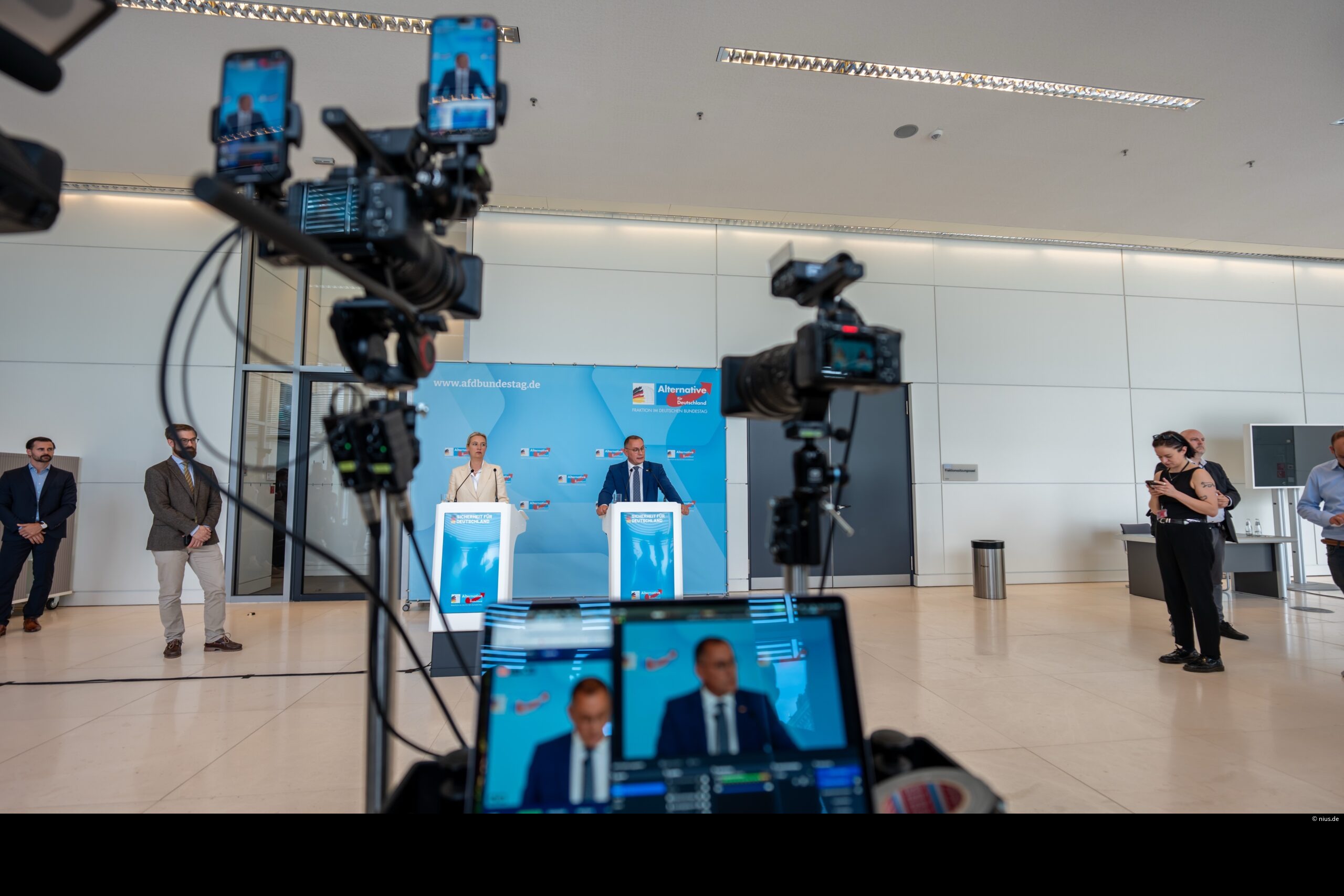
Die AfD konnte sich in fast allen Parlamenten des Landes fest etablieren.
Photo: nius.de

Established parties persist in viewing the AfD as a temporary phenomenon, as Nius reports, a combination of alarmism and arrogance that only fuels further growth for the insurgent political movement. Too many competing parties resent voters for asserting their own interests with determination, creating the very conditions that allowed the AfD to rise as a new national party.

Social Democrats Abandon Working Class Base

The AfD was initially dismissed as merely a protest vehicle. That characterization no longer holds. The party has cultivated a programmatically loyal voter base and continues binding new demographic segments to its platform. The Social Democratic Party has ceded its historic role as the workers’ party, paying a steep price for its march into what Nius describes as woke fringe territory where moral posturing yields bonus points but no electoral majorities.
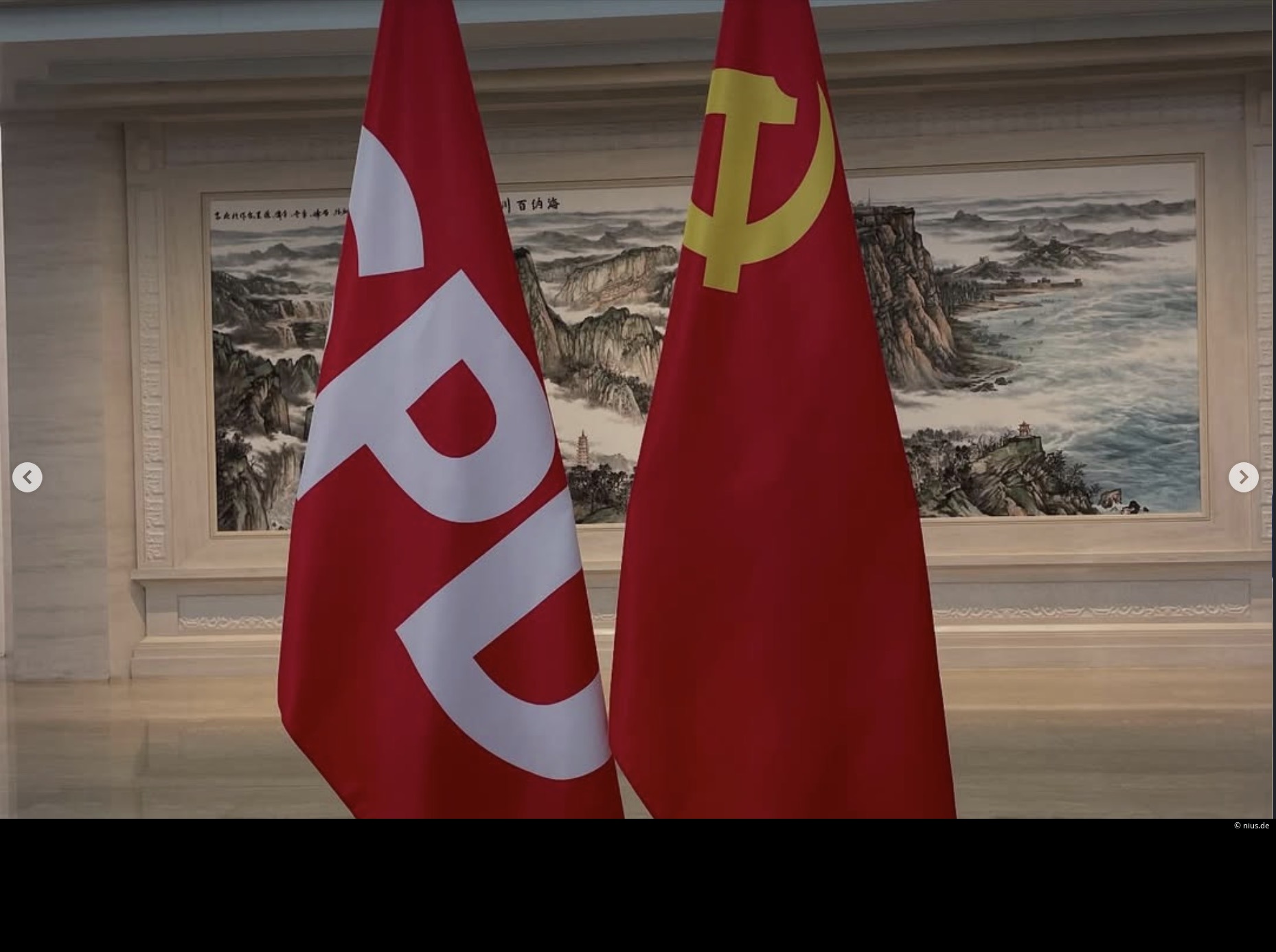
Skandale sollte man nicht nur auf andere zu projizieren. Die SPD fiel etwa mit Brüderlichkeit mit Chinas Kommunisten auf.
Photo: nius.de

The SPD no longer wants to be a workers’ party. The AfD has seized that mantle.

Business Community Adjusts to New Reality

Even entrepreneurs are adapting to the realities of a new national party force. While large corporations often remain dominated by left-leaning posture advocates, with companies like Rossmann and Bahlsen joining the so-called fight against the right, such positioning carries economic risk. With the AfD approaching the 30 percent threshold, cookie manufacturers and drugstore chains must consider whether they want roughly 15 million consumers avoiding their products.

The small and medium business sector is taking a more flexible approach. The Frankfurter Allgemeine Zeitung recently headlined coverage of how the middle class applauds the AfD ahead of state elections in Saxony-Anhalt. The general secretary of the Association of Liberal Middle Class Saxony-Anhalt told Nius that conversations with association members have solidified the impression that the AfD’s lead candidate addresses the concerns of small and medium enterprises.
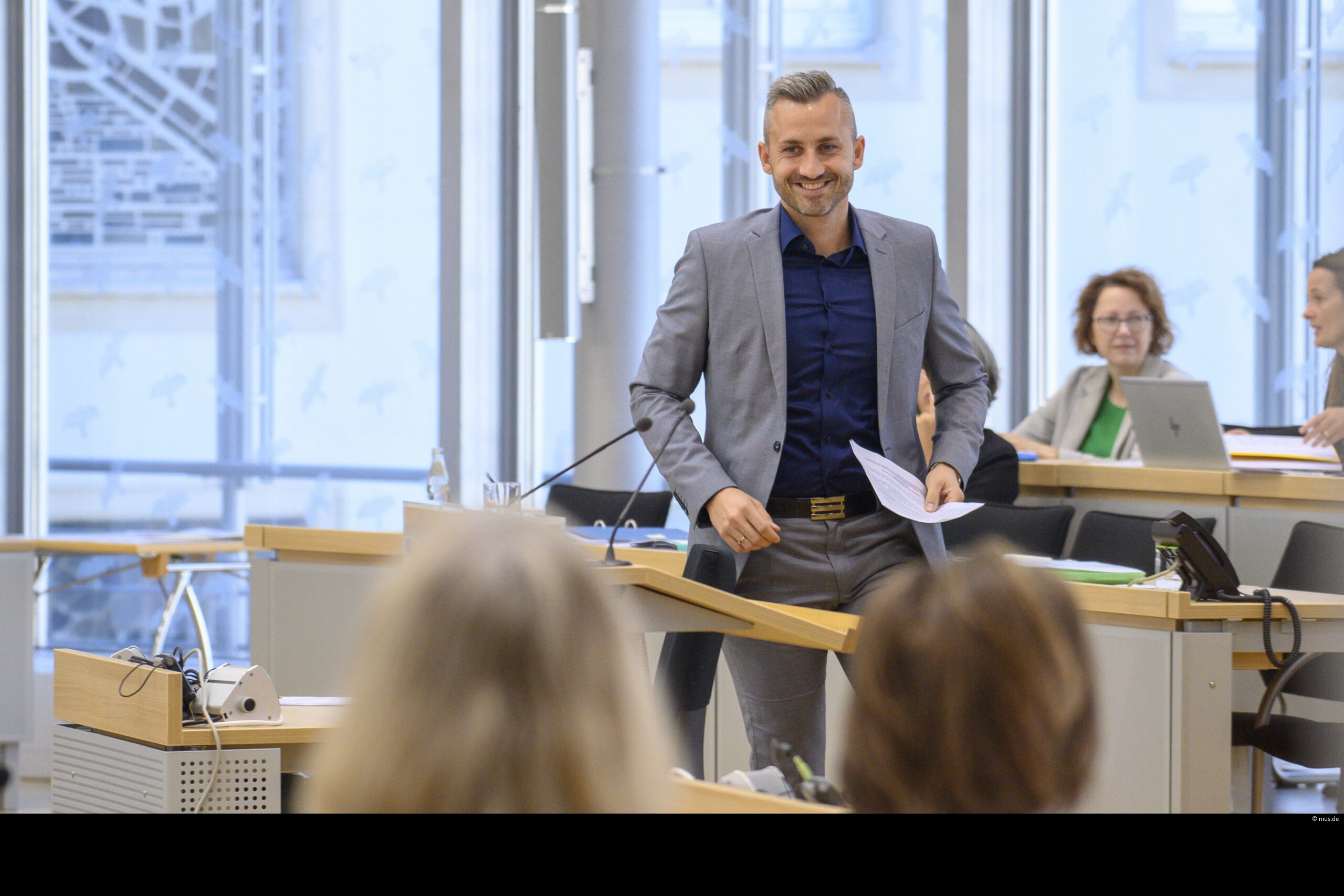
Ulrich Siegmund
Photo: nius.de

That lead candidate is Ulrich Siegmund, who could become the next minister-president of the state.

Female Voters Break Through Previous Barriers

Workers remain committed, business is losing its hesitation, and women refuse to be intimidated. Not only in the general population but specifically among female voters, the AfD now leads. The party is therefore no longer a pure protest movement, is less perceived as an economic threat, and is not a party exclusively for men.
nius.de
Photo: nius.de

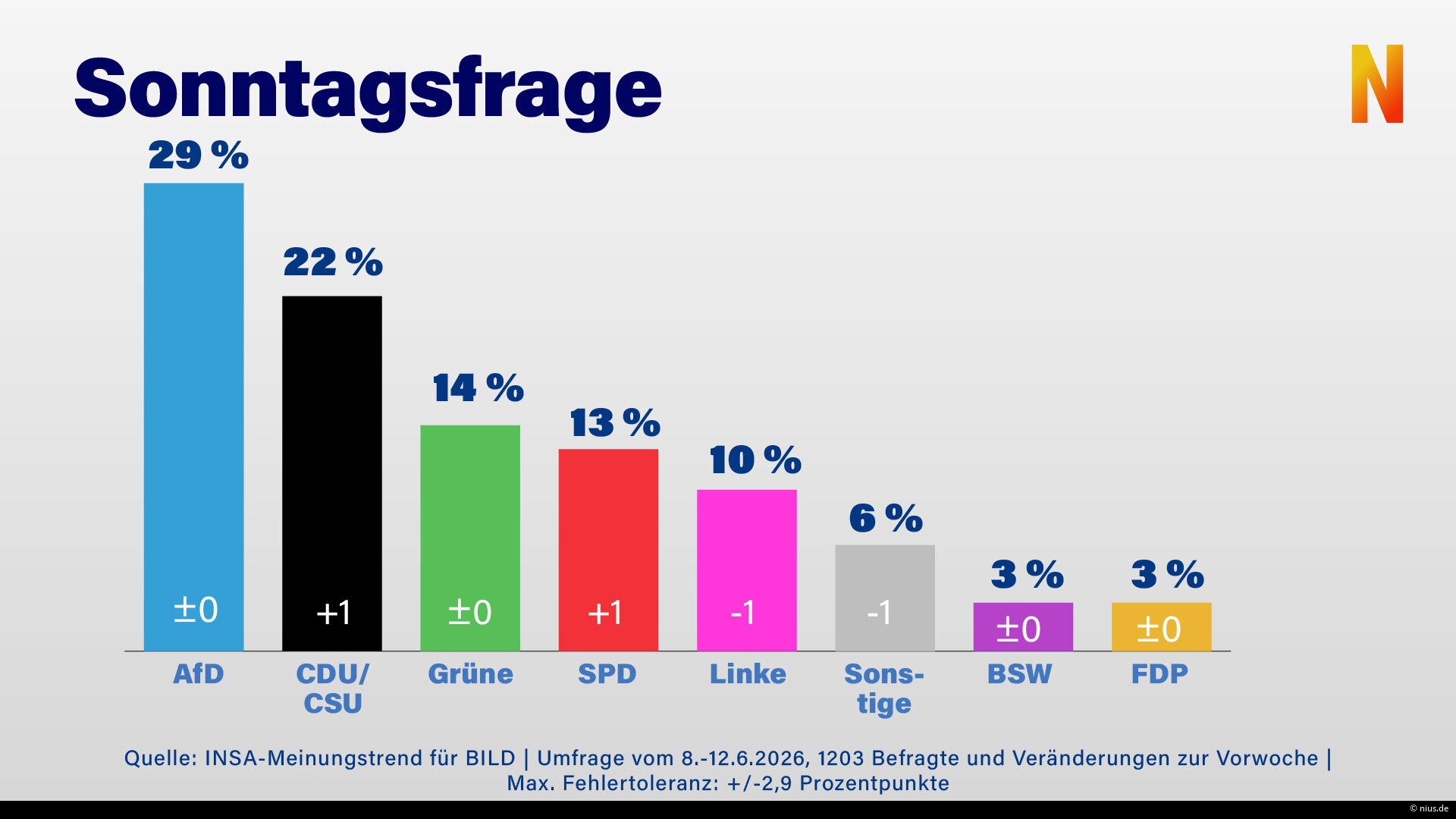
While men dominate AfD officeholders, among the electorate 27 percent of women now identify with the party, according to Nius. The Christian Democratic Union manages only an embarrassing 19.5 percent among this voter group according to Insa polling. The Union can truly score points only with the 70-plus generation. It is the elderly and very elderly who keep the Union above the 20 percent mark.

Even in western Germany, the AfD polls at 26.5 percent, two and a half points ahead of the Union. That bastion has fallen as well. The AfD is no longer purely an eastern party but a pan-German national force.

Competence Perception Shifts

Contributing to this status is the fact that among all parties, the AfD receives the highest attribution of problem-solving competence. Fourteen percent in the RTL/ntv trend barometer is not an intoxicating figure, but the Union registers at 13 percent and the SPD at only five percent.

All these numbers are known. All polls are public. Every party can understand what voters demand: a secure, affordable, free life with prosperity for themselves and their children. The established parties often represent a risky and expensive existence in which citizens are regarded not as sovereigns but as impudent troublemakers.

As long as this politics continues, the rise of the AfD will not end.

With information from Nius

Share:
Dimitris Papafotis
Dimitris Papafotis

Dimitris Papafotis is the editor-in-chief of NewsFire.GR. He was born and raised in Athens. He studied at the Journalism Workshop (1991-1993). He currently lives in Pyrgos, Ilia, where he has been active in radio and various newspapers, while also maintaining his personal blog, Papafotis.gr.

The party now commands support among young and old voters alike, across both genders, and spans the working class, self-employed professionals, and business owners throughout eastern and western Germany. While significant portions of the population continue to reject the AfD, the party has succeeded in anchoring itself within the broader fabric of German society.

Die AfD konnte sich in fast allen Parlamenten des Landes fest etablieren.
Photo: nius.de

Established parties persist in viewing the AfD as a temporary phenomenon, as Nius reports, a combination of alarmism and arrogance that only fuels further growth for the insurgent political movement. Too many competing parties resent voters for asserting their own interests with determination, creating the very conditions that allowed the AfD to rise as a new national party.

Social Democrats Abandon Working Class Base

The AfD was initially dismissed as merely a protest vehicle. That characterization no longer holds. The party has cultivated a programmatically loyal voter base and continues binding new demographic segments to its platform. The Social Democratic Party has ceded its historic role as the workers’ party, paying a steep price for its march into what Nius describes as woke fringe territory where moral posturing yields bonus points but no electoral majorities.

Skandale sollte man nicht nur auf andere zu projizieren. Die SPD fiel etwa mit Brüderlichkeit mit Chinas Kommunisten auf.
Photo: nius.de

The SPD no longer wants to be a workers’ party. The AfD has seized that mantle.

Business Community Adjusts to New Reality

Even entrepreneurs are adapting to the realities of a new national party force. While large corporations often remain dominated by left-leaning posture advocates, with companies like Rossmann and Bahlsen joining the so-called fight against the right, such positioning carries economic risk. With the AfD approaching the 30 percent threshold, cookie manufacturers and drugstore chains must consider whether they want roughly 15 million consumers avoiding their products.

The small and medium business sector is taking a more flexible approach. The Frankfurter Allgemeine Zeitung recently headlined coverage of how the middle class applauds the AfD ahead of state elections in Saxony-Anhalt. The general secretary of the Association of Liberal Middle Class Saxony-Anhalt told Nius that conversations with association members have solidified the impression that the AfD’s lead candidate addresses the concerns of small and medium enterprises.

Ulrich Siegmund
Photo: nius.de

That lead candidate is Ulrich Siegmund, who could become the next minister-president of the state.

Female Voters Break Through Previous Barriers

Workers remain committed, business is losing its hesitation, and women refuse to be intimidated. Not only in the general population but specifically among female voters, the AfD now leads. The party is therefore no longer a pure protest movement, is less perceived as an economic threat, and is not a party exclusively for men.

nius.de
Photo: nius.de

While men dominate AfD officeholders, among the electorate 27 percent of women now identify with the party, according to Nius. The Christian Democratic Union manages only an embarrassing 19.5 percent among this voter group according to Insa polling. The Union can truly score points only with the 70-plus generation. It is the elderly and very elderly who keep the Union above the 20 percent mark.

Even in western Germany, the AfD polls at 26.5 percent, two and a half points ahead of the Union. That bastion has fallen as well. The AfD is no longer purely an eastern party but a pan-German national force.

Competence Perception Shifts

Contributing to this status is the fact that among all parties, the AfD receives the highest attribution of problem-solving competence. Fourteen percent in the RTL/ntv trend barometer is not an intoxicating figure, but the Union registers at 13 percent and the SPD at only five percent.

All these numbers are known. All polls are public. Every party can understand what voters demand: a secure, affordable, free life with prosperity for themselves and their children. The established parties often represent a risky and expensive existence in which citizens are regarded not as sovereigns but as impudent troublemakers.

As long as this politics continues, the rise of the AfD will not end.

With information from Nius

