Necessary Cookies

Required for the site to function. Cannot be disabled.

Analytics Cookies

Help us understand how visitors interact with our site (Google Analytics via GTM).

Marketing Cookies

Used to track visitors and deliver personalised advertisements.

We use cookies to enhance your browsing experience and analyse site traffic. By clicking Accept All, you consent to our use of cookies. Privacy Policy
NewsFire Global
Home News Europe World Christianity Culture Wars Opinion Video
Information
About Us Authors Advertising Terms & Conditions Privacy Policy Contact
R2B Media
R2B NEWSFIRE.GR PAPAFOTIS.GR THRACTION HELLENIC CONSERVATIVES RIGHT2THEBONE YT
News World

Abdul El-Sayed’s Michigan Rise Exposes Democrats’ Moral Morass

Michigan's Democratic Senate primary exposes party divisions over American identity as establishment candidate Haley Stevens challenges frontrunner Abdul El-Sayed over his associations with extremist figures.
Stefanos Banos
Stefanos Banos Staff Writer
AUGUST 2, 2026 AT 11:21 PM

A widening fracture within the Democratic Party over fundamental questions of American identity and patriotism is coming to a head in Michigan’s Senate primary, as a handful of lawmakers finally acknowledge what Pennsylvania Senator John Fetterman has been saying for months: the party harbors a growing anti-American faction that establishment figures refuse to confront.

According to Isaac Schorr writing in New York Post, the conflict now playing out in the Great Lakes State exposes a civil war between Democrats who view the United States as exceptionally commendable and those who regard it as exceptionally reprehensible.

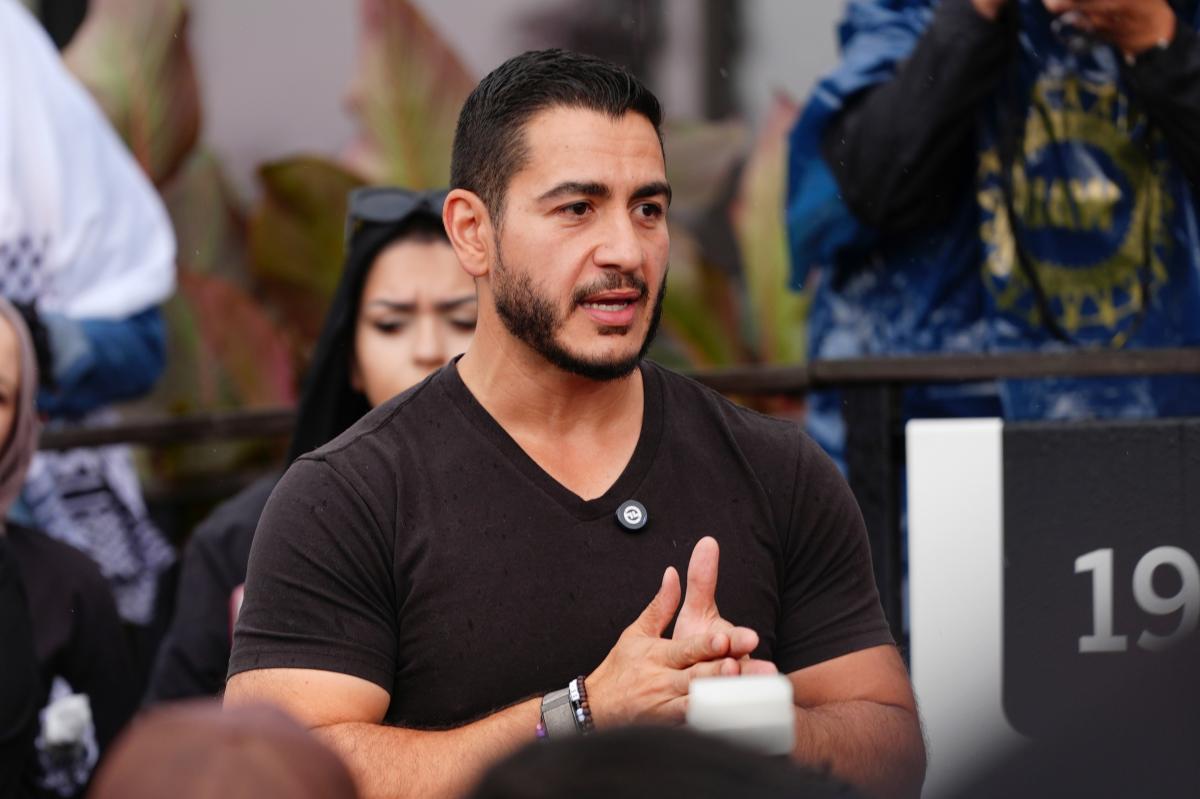
At the center of the Michigan battle stands Abdul El-Sayed, a radical candidate holding a double-digit polling lead ahead of Tuesday’s primary despite—or perhaps because of—his associations with extremist figures and anti-Israel rhetoric. His establishment opponent, Representative Haley Stevens, has finally taken off the gloves.

In a blistering social media post Thursday, Stevens directly challenged El-Sayed’s pattern of scapegoating. She accused him of wanting to blame America’s problems on Jewish Americans—a remarkable charge for one Democrat to level against another in a party primary.

Representative Hillary Scholten, a Stevens supporter and fellow member of Michigan’s House delegation, went even further. She expressed public doubt about whether she would support El-Sayed should he win the August 4 primary, citing his decision to campaign alongside Hasan Piker, an online personality infamous for claiming America deserved the September 11 terrorist attacks.

Fetterman’s Lonely Stand

The Pennsylvania progressive has found himself increasingly isolated after speaking plainly about what he sees as anti-civilizational forces rising within Democratic ranks. Fetterman argued last month that Senator Bernie Sanders keeps pushing communists and anti-American figures, particularly after the collapse of Graham Platner’s candidacy in Maine.

His characterization of these elements as explicitly anti-American struck at the heart of the matter: this is not a policy dispute over healthcare, immigration, or tax rates, but a fundamental clash over whether the United States deserves celebration or condemnation. Israel frequently serves as a proxy in this ideological battle.

Where Are the Party Elders?

Stevens is desperate and highly motivated as an underdog. Scholten remains a relatively anonymous member of Congress. Neither wields the institutional power necessary to redirect the party’s trajectory. Those who could intervene—former President Barack Obama and Senate Minority Leader Chuck Schumer—have largely remained silent or ineffective.

Obama, who previously never hesitated to guide his party at pivotal moments, has instead signaled support for the radical wing by praising New York City Mayor Zohran Mamdani and sanitizing his radicalism. Perhaps unsurprisingly, the former president who embarked on an apology tour and spent the weeks following October 7 creating space for anti-Israel narratives will not stand in the breach against anti-American revanchists.

Schumer presents a more puzzling case. The Senate minority leader has described himself as a guardian of the Jewish people and opposed Obama’s Iran nuclear deal. He has historically defended his country and the relatively just, peaceful, and prosperous world order it maintains.

Yet his response to the party’s descent has been listless at best. While Schumer supported Stevens with an endorsement, just as he backed Governor Janet Mills in her doomed campaign against Platner in Maine, his boilerplate statements and financial contributions have proven inadequate.

The Calculation of Silence

Voters respond to authenticity and confidence—qualities the anti-American faction projects readily. They openly express disdain for the country and hold firm to their convictions. Schumer, by contrast, has refrained from speaking honestly about these forces, much less refusing to support them in general elections.

His endorsement of Stevens rings hollow after he bent like a cheap folding chair for Platner. The minority leader desperately wants to become majority leader, and El-Sayed is favored to represent Democrats on the November ballot. Political calculation dictates silence.

Schumer has likely concluded that opposing El-Sayed forcefully would prove fruitless following establishment losses in Maine and New York City. He feels impotent because at this stage he is. Throwing money at the problem late in the campaign serves as no substitute for demonstrating moral clarity when these noxious ideas and hateful figures first emerged.

No Cavalry Coming

Democrats hoping that prospective 2028 presidential contenders like California Governor Gavin Newsom or former Vice President Kamala Harris might push back during future campaign seasons are likely to be disappointed. These figures are finger-to-the-wind followers interested primarily in career advancement, not principled stands.

With Obama content, Schumer craven, and other party leaders simply unwilling to act, Fetterman’s once-lonely position is now shared by only a desperate few—none with sufficient power to alter the Democratic Party’s trajectory away from the anti-American forces now ascending within its ranks.

With information from New York Post

Share:
Stefanos Banos
Stefanos Banos

Stefanos Banos was born in Piraeus and is an editor at NewsFire.GR, specializing in political analysis and international relations. He graduated from the Department of Communication and Media at the University of Bremen in Germany, where he also completed his Master of Arts in Communication and Media Studies. Married to Zoi, he is a proud father of three boys.

A widening fracture within the Democratic Party over fundamental questions of American identity and patriotism is coming to a head in Michigan’s Senate primary, as a handful of lawmakers finally acknowledge what Pennsylvania Senator John Fetterman has been saying for months: the party harbors a growing anti-American faction that establishment figures refuse to confront.

According to Isaac Schorr writing in New York Post, the conflict now playing out in the Great Lakes State exposes a civil war between Democrats who view the United States as exceptionally commendable and those who regard it as exceptionally reprehensible.

At the center of the Michigan battle stands Abdul El-Sayed, a radical candidate holding a double-digit polling lead ahead of Tuesday’s primary despite—or perhaps because of—his associations with extremist figures and anti-Israel rhetoric. His establishment opponent, Representative Haley Stevens, has finally taken off the gloves.

In a blistering social media post Thursday, Stevens directly challenged El-Sayed’s pattern of scapegoating. She accused him of wanting to blame America’s problems on Jewish Americans—a remarkable charge for one Democrat to level against another in a party primary.

Representative Hillary Scholten, a Stevens supporter and fellow member of Michigan’s House delegation, went even further. She expressed public doubt about whether she would support El-Sayed should he win the August 4 primary, citing his decision to campaign alongside Hasan Piker, an online personality infamous for claiming America deserved the September 11 terrorist attacks.

Fetterman’s Lonely Stand

The Pennsylvania progressive has found himself increasingly isolated after speaking plainly about what he sees as anti-civilizational forces rising within Democratic ranks. Fetterman argued last month that Senator Bernie Sanders keeps pushing communists and anti-American figures, particularly after the collapse of Graham Platner’s candidacy in Maine.

His characterization of these elements as explicitly anti-American struck at the heart of the matter: this is not a policy dispute over healthcare, immigration, or tax rates, but a fundamental clash over whether the United States deserves celebration or condemnation. Israel frequently serves as a proxy in this ideological battle.

Where Are the Party Elders?

Stevens is desperate and highly motivated as an underdog. Scholten remains a relatively anonymous member of Congress. Neither wields the institutional power necessary to redirect the party’s trajectory. Those who could intervene—former President Barack Obama and Senate Minority Leader Chuck Schumer—have largely remained silent or ineffective.

Obama, who previously never hesitated to guide his party at pivotal moments, has instead signaled support for the radical wing by praising New York City Mayor Zohran Mamdani and sanitizing his radicalism. Perhaps unsurprisingly, the former president who embarked on an apology tour and spent the weeks following October 7 creating space for anti-Israel narratives will not stand in the breach against anti-American revanchists.

Schumer presents a more puzzling case. The Senate minority leader has described himself as a guardian of the Jewish people and opposed Obama’s Iran nuclear deal. He has historically defended his country and the relatively just, peaceful, and prosperous world order it maintains.

Yet his response to the party’s descent has been listless at best. While Schumer supported Stevens with an endorsement, just as he backed Governor Janet Mills in her doomed campaign against Platner in Maine, his boilerplate statements and financial contributions have proven inadequate.

The Calculation of Silence

Voters respond to authenticity and confidence—qualities the anti-American faction projects readily. They openly express disdain for the country and hold firm to their convictions. Schumer, by contrast, has refrained from speaking honestly about these forces, much less refusing to support them in general elections.

His endorsement of Stevens rings hollow after he bent like a cheap folding chair for Platner. The minority leader desperately wants to become majority leader, and El-Sayed is favored to represent Democrats on the November ballot. Political calculation dictates silence.

Schumer has likely concluded that opposing El-Sayed forcefully would prove fruitless following establishment losses in Maine and New York City. He feels impotent because at this stage he is. Throwing money at the problem late in the campaign serves as no substitute for demonstrating moral clarity when these noxious ideas and hateful figures first emerged.

No Cavalry Coming

Democrats hoping that prospective 2028 presidential contenders like California Governor Gavin Newsom or former Vice President Kamala Harris might push back during future campaign seasons are likely to be disappointed. These figures are finger-to-the-wind followers interested primarily in career advancement, not principled stands.

With Obama content, Schumer craven, and other party leaders simply unwilling to act, Fetterman’s once-lonely position is now shared by only a desperate few—none with sufficient power to alter the Democratic Party’s trajectory away from the anti-American forces now ascending within its ranks.

With information from New York Post