Necessary Cookies

Required for the site to function. Cannot be disabled.

Analytics Cookies

Help us understand how visitors interact with our site (Google Analytics via GTM).

Marketing Cookies

Used to track visitors and deliver personalised advertisements.

We use cookies to enhance your browsing experience and analyse site traffic. By clicking Accept All, you consent to our use of cookies. Privacy Policy
NewsFire Global
Home News Europe World Christianity Culture Wars Opinion Video
Information
About Us Authors Advertising Terms & Conditions Privacy Policy Contact
R2B Media
R2B NEWSFIRE.GR PAPAFOTIS.GR THRACTION HELLENIC CONSERVATIVES RIGHT2THEBONE YT
News World

State Legislatures Join National Security Battle

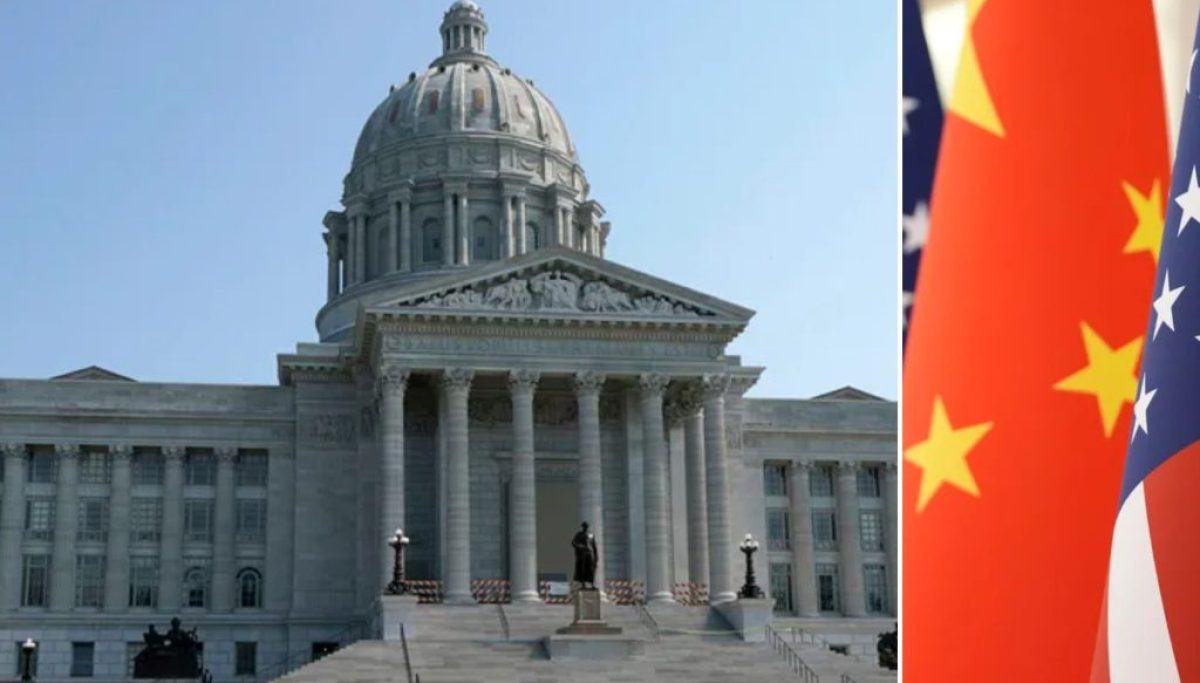
State lawmakers nationwide are passing legislation on Chinese espionage and drone threats near military bases, asserting authority over national security issues they believe Washington addresses too slowly.
Stefanos Banos
Stefanos Banos Staff Writer
JULY 3, 2026 AT 9:03 PM

State lawmakers across America are stepping into national security territory once reserved for federal officials, driven by mounting concerns over Chinese espionage, drone threats, and what they see as Washington’s sluggish response to dangers targeting their communities.

Missouri state Senator Nick Schroer first caught wind of potential drone incursions at Whiteman Air Force Base during the 2024 legislative session. The situation escalated when a Canadian couple with reported connections to Chinese intelligence purchased a trailer park within a mile of the base’s perimeter fence, according to Max Grinstein writing in Washington Examiner.

Whiteman houses the entire U.S. fleet of B-2 Spirit stealth bombers, aircraft that played a decisive role in military operations against Iran and would prove critical in any future confrontation with China. The incidents prompted what Schroer described as defining moments. The Republican lawmaker and radio personality championed legislation that became law last month, restricting drone operations over critical infrastructure including military installations.

Schroer has also advanced bills blocking international bodies such as the World Health Organization and United Nations from exercising authority within Missouri. He made clear that he and his Freedom Caucus colleagues stand ready to reclaim state powers whenever federal overreach occurs.

Without access to classified intelligence briefings, state legislators like Schroer are nonetheless demonstrating heightened engagement with national security matters. Their motivation stems from a shared conviction that federal authorities respond too slowly to urgent local threats, combined with a belief that states must reassert constitutional jurisdiction as foreign dangers reach American soil.

Advocacy Groups Coordinate Multi-State Security Push

Joe Gebbia Sr., founder of advocacy group State Shield, explained that America’s federalist structure separated state and federal powers by design. China recognizes this division and has pursued a calculated strategy to undermine state-level governance over the long term, he noted.

State Shield collaborates with lawmakers to advance state-level regulations, predominantly addressing Chinese threats. Gebbia directs a lobbying team working across 17 states this spring. The model legislation State Shield offers focuses on five core areas: foreign interference in political processes, ownership of land and strategic assets, divestment from hostile regimes, drone incursions over vital infrastructure, and international influence in higher education.

While State Shield maintains a comprehensive bill tracker online, several legislators confirmed the organization does not directly participate in every measure it endorses. Recent supported initiatives include Tennessee legislation mandating age-appropriate classroom instruction about communism and a Louisiana resolution promoting economic engagement with Taiwan.

Parallel Organizations Mobilize State-Level Defense

State Armor, a parallel organization launched around the same period, operates both a research division producing policy and intelligence assessments and a legislative action arm. Founder Michael Lucci drew on his experience as chief of policy under former Illinois Republican Governor Bruce Rauner.

Lucci recognized that effective state-level national security policy required either Washington insiders developing state expertise or state government veterans acquiring national security knowledge. State Armor now functions in 15 states, two-thirds governed by Republicans.

Many of these issues should transcend partisan divisions, Lucci observed, though current engagement skews Republican and independent.

Constitutional Authority Drives Lawmaker Engagement

State legislators cite different rationales for national security involvement. Oklahoma Republican state Representative Chad Caldwell emphasized representing constituent concerns. When issues like China capture public attention, lawmakers attempt to respond accordingly, he explained.

Schroer rejected the conventional wisdom that national security remains exclusively federal territory. He invoked the Tenth Amendment’s reservation of powers to states and the people, suggesting that if federal authorities fail to act, state governments must assume responsibility.

The trend reflects growing frustration with federal inaction as foreign adversaries, particularly China, expand operations targeting American communities, infrastructure, and institutions at the state and local level.

With information from Washington Examiner

Share:
Stefanos Banos
Stefanos Banos

Stefanos Banos was born in Piraeus and is an editor at NewsFire.GR, specializing in political analysis and international relations. He graduated from the Department of Communication and Media at the University of Bremen in Germany, where he also completed his Master of Arts in Communication and Media Studies. Married to Zoi, he is a proud father of three boys.

State lawmakers across America are stepping into national security territory once reserved for federal officials, driven by mounting concerns over Chinese espionage, drone threats, and what they see as Washington’s sluggish response to dangers targeting their communities.

Missouri state Senator Nick Schroer first caught wind of potential drone incursions at Whiteman Air Force Base during the 2024 legislative session. The situation escalated when a Canadian couple with reported connections to Chinese intelligence purchased a trailer park within a mile of the base’s perimeter fence, according to Max Grinstein writing in Washington Examiner.

Whiteman houses the entire U.S. fleet of B-2 Spirit stealth bombers, aircraft that played a decisive role in military operations against Iran and would prove critical in any future confrontation with China. The incidents prompted what Schroer described as defining moments. The Republican lawmaker and radio personality championed legislation that became law last month, restricting drone operations over critical infrastructure including military installations.

Schroer has also advanced bills blocking international bodies such as the World Health Organization and United Nations from exercising authority within Missouri. He made clear that he and his Freedom Caucus colleagues stand ready to reclaim state powers whenever federal overreach occurs.

Without access to classified intelligence briefings, state legislators like Schroer are nonetheless demonstrating heightened engagement with national security matters. Their motivation stems from a shared conviction that federal authorities respond too slowly to urgent local threats, combined with a belief that states must reassert constitutional jurisdiction as foreign dangers reach American soil.

Advocacy Groups Coordinate Multi-State Security Push

Joe Gebbia Sr., founder of advocacy group State Shield, explained that America’s federalist structure separated state and federal powers by design. China recognizes this division and has pursued a calculated strategy to undermine state-level governance over the long term, he noted.

State Shield collaborates with lawmakers to advance state-level regulations, predominantly addressing Chinese threats. Gebbia directs a lobbying team working across 17 states this spring. The model legislation State Shield offers focuses on five core areas: foreign interference in political processes, ownership of land and strategic assets, divestment from hostile regimes, drone incursions over vital infrastructure, and international influence in higher education.

While State Shield maintains a comprehensive bill tracker online, several legislators confirmed the organization does not directly participate in every measure it endorses. Recent supported initiatives include Tennessee legislation mandating age-appropriate classroom instruction about communism and a Louisiana resolution promoting economic engagement with Taiwan.

Parallel Organizations Mobilize State-Level Defense

State Armor, a parallel organization launched around the same period, operates both a research division producing policy and intelligence assessments and a legislative action arm. Founder Michael Lucci drew on his experience as chief of policy under former Illinois Republican Governor Bruce Rauner.

Lucci recognized that effective state-level national security policy required either Washington insiders developing state expertise or state government veterans acquiring national security knowledge. State Armor now functions in 15 states, two-thirds governed by Republicans.

Many of these issues should transcend partisan divisions, Lucci observed, though current engagement skews Republican and independent.

Constitutional Authority Drives Lawmaker Engagement

State legislators cite different rationales for national security involvement. Oklahoma Republican state Representative Chad Caldwell emphasized representing constituent concerns. When issues like China capture public attention, lawmakers attempt to respond accordingly, he explained.

Schroer rejected the conventional wisdom that national security remains exclusively federal territory. He invoked the Tenth Amendment’s reservation of powers to states and the people, suggesting that if federal authorities fail to act, state governments must assume responsibility.

The trend reflects growing frustration with federal inaction as foreign adversaries, particularly China, expand operations targeting American communities, infrastructure, and institutions at the state and local level.

With information from Washington Examiner

