Necessary Cookies

Required for the site to function. Cannot be disabled.

Analytics Cookies

Help us understand how visitors interact with our site (Google Analytics via GTM).

Marketing Cookies

Used to track visitors and deliver personalised advertisements.

We use cookies to enhance your browsing experience and analyse site traffic. By clicking Accept All, you consent to our use of cookies. Privacy Policy
NewsFire Global
Home News Europe World Christianity Culture Wars Opinion Video
Information
About Us Authors Advertising Terms & Conditions Privacy Policy Contact
R2B Media
R2B NEWSFIRE.GR PAPAFOTIS.GR THRACTION HELLENIC CONSERVATIVES RIGHT2THEBONE YT
News World

AI Deepfakes Flood Midterm Campaign Ads Nationwide

Artificial intelligence deepfakes are being used predominantly in attack ads during the midterm elections, with campaigns creating fabricated footage of opponents in damaging scenarios.
Stefanos Banos
Stefanos Banos Staff Writer
JUNE 21, 2026 AT 12:23 AM

The technology is being deployed almost exclusively in attack advertisements targeting political opponents, according to Washington Examiner, frequently depicting candidates engaging in embarrassing or damaging behavior they never actually performed.

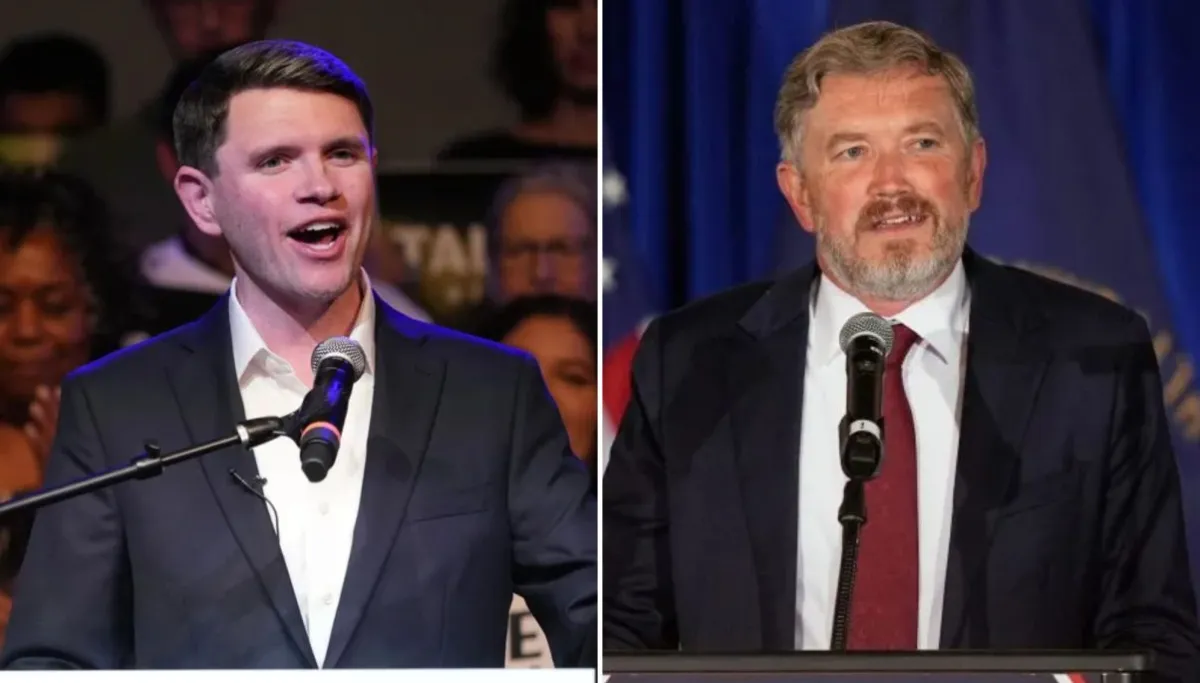
The most prominent example comes from the Texas Senate race, where Republican political action committee Citizens for Sanity invested six figures in an advertising campaign featuring a digitally manipulated version of Democratic Senate candidate James Talarico wearing a dress while performing a parody song about supporting transgender children. The 15-second clip distorted the lyrics of a popular tune to attack Talarico’s policy positions.
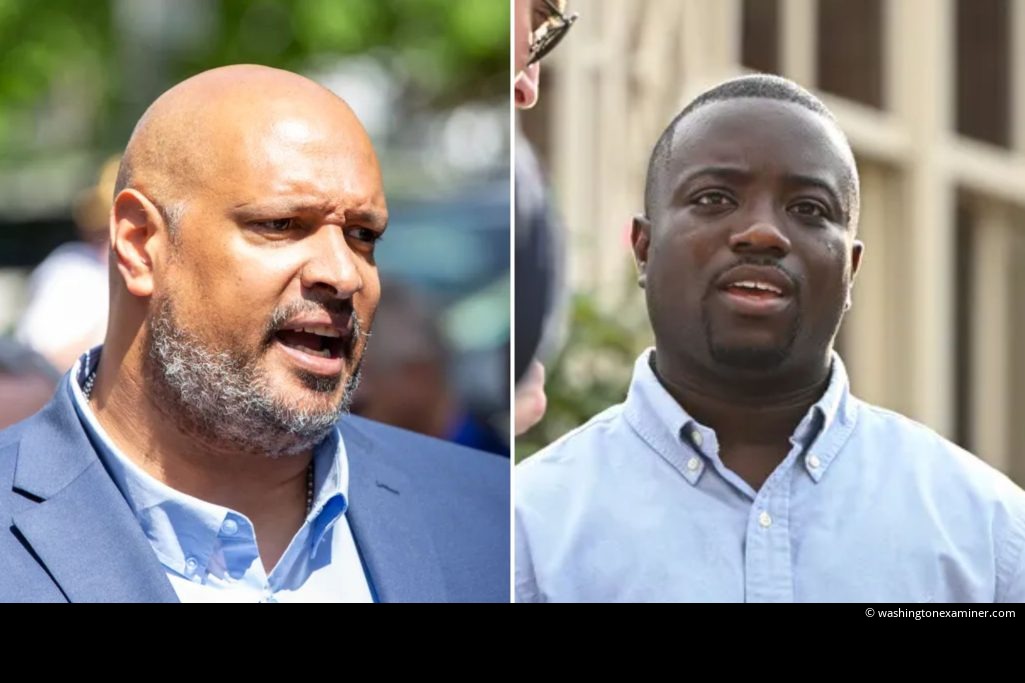
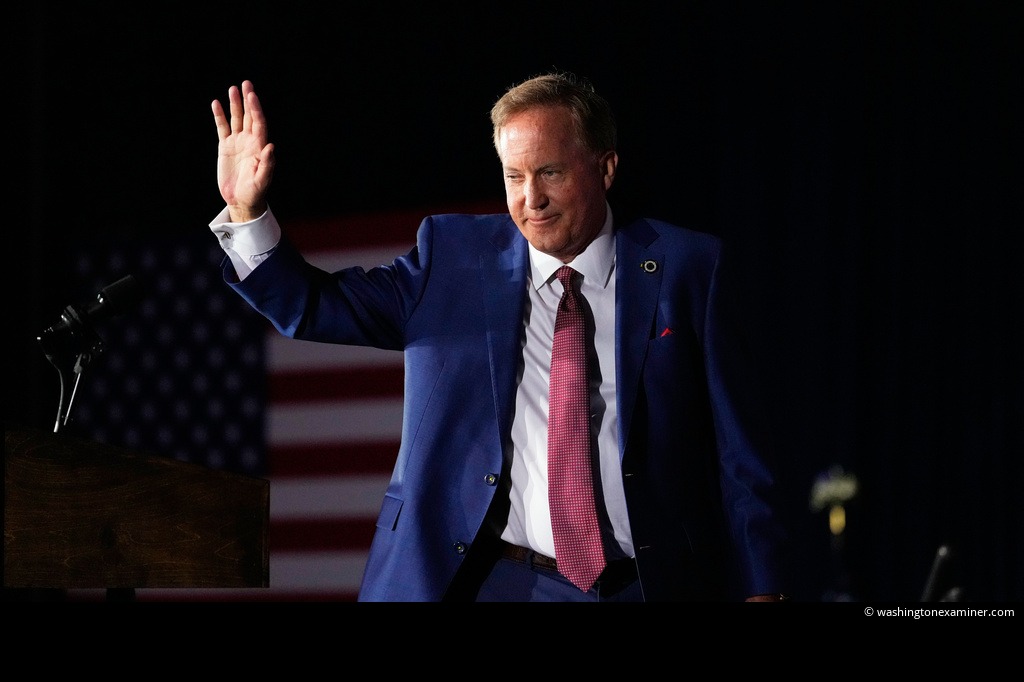
The Texas political battlefield has seen widespread AI adoption across party lines. Incumbent Senator John Cornyn, Ken Paxton, and Representative Jasmine Crockett have all incorporated artificial intelligence elements into campaign advertisements during the primary season.

Kentucky’s 4th District Republican primary, which became the most expensive primary contest in American history, featured an AI-generated attack ad against incumbent Representative Thomas Massie. The controversial spot depicted Massie in what it called a romantic “throuple” with progressive Representatives Ilhan Omar and Alexandria Ocasio-Cortez, including synthetic footage showing the congressman dining and socializing with the two Democrats. While the advertisement included a disclaimer identifying it as satirical and AI-generated, numerous other campaigns have deployed similar technology without disclosure.

Some artificial intelligence applications have drawn criticism for crossing ethical boundaries. Crockett faced backlash for using AI to digitally enlarge crowd sizes at her campaign events, raising concerns about voter deception.

The technology has also produced bizarre campaign moments. In Alabama’s Republican primary runoff for Lieutenant Governor, Secretary of State Wes Allen released an advertisement featuring an AI-generated raccoon claiming to be the pet of opponent John Wahl. The digitally created animal accused Wahl of multiple transgressions including using fraudulent identification, refusing to support Trump, and celebrating Ramadan at a mosque.

The peculiar advertisement apparently originated from unverified claims that Wahl’s fiancee previously owned a pet raccoon. Voters rejected the approach, with widespread condemnation of the ad as strange and unsettling.

This proliferation of AI-driven political content may face significant restrictions depending on November’s election outcomes. Democrats are preparing legislation to ban or severely limit artificial intelligence use in political advertising should they secure decisive victories this fall, as Washington Examiner reports.

With information from Washington Examiner

Share:
Stefanos Banos
Stefanos Banos

Stefanos Banos was born in Piraeus and is an editor at NewsFire.GR, specializing in political analysis and international relations. He graduated from the Department of Communication and Media at the University of Bremen in Germany, where he also completed his Master of Arts in Communication and Media Studies. Married to Zoi, he is a proud father of three boys.

The technology is being deployed almost exclusively in attack advertisements targeting political opponents, according to Washington Examiner, frequently depicting candidates engaging in embarrassing or damaging behavior they never actually performed.

The most prominent example comes from the Texas Senate race, where Republican political action committee Citizens for Sanity invested six figures in an advertising campaign featuring a digitally manipulated version of Democratic Senate candidate James Talarico wearing a dress while performing a parody song about supporting transgender children. The 15-second clip distorted the lyrics of a popular tune to attack Talarico’s policy positions.

The Texas political battlefield has seen widespread AI adoption across party lines. Incumbent Senator John Cornyn, Ken Paxton, and Representative Jasmine Crockett have all incorporated artificial intelligence elements into campaign advertisements during the primary season.

Kentucky’s 4th District Republican primary, which became the most expensive primary contest in American history, featured an AI-generated attack ad against incumbent Representative Thomas Massie. The controversial spot depicted Massie in what it called a romantic “throuple” with progressive Representatives Ilhan Omar and Alexandria Ocasio-Cortez, including synthetic footage showing the congressman dining and socializing with the two Democrats. While the advertisement included a disclaimer identifying it as satirical and AI-generated, numerous other campaigns have deployed similar technology without disclosure.

Some artificial intelligence applications have drawn criticism for crossing ethical boundaries. Crockett faced backlash for using AI to digitally enlarge crowd sizes at her campaign events, raising concerns about voter deception.

The technology has also produced bizarre campaign moments. In Alabama’s Republican primary runoff for Lieutenant Governor, Secretary of State Wes Allen released an advertisement featuring an AI-generated raccoon claiming to be the pet of opponent John Wahl. The digitally created animal accused Wahl of multiple transgressions including using fraudulent identification, refusing to support Trump, and celebrating Ramadan at a mosque.

The peculiar advertisement apparently originated from unverified claims that Wahl’s fiancee previously owned a pet raccoon. Voters rejected the approach, with widespread condemnation of the ad as strange and unsettling.

This proliferation of AI-driven political content may face significant restrictions depending on November’s election outcomes. Democrats are preparing legislation to ban or severely limit artificial intelligence use in political advertising should they secure decisive victories this fall, as Washington Examiner reports.

With information from Washington Examiner

