
Will Israel Derail the US-Iran Nuclear Deal?
Israel's government is divided over whether to accept or sabotage a U.S.-Iran agreement despite the deal potentially representing a strategic victory for Jerusalem.

According to Brussels Signal, the administration of Benjamin Netanyahu is internally fractured and actively weighing the possibility of undermining President Trump’s diplomatic arrangement with Iran. For a nation whose entire security doctrine rests on absolute deterrence, the sight of its superpower patron reaching accommodation with Tehran represents an almost existential discomfort.
Israel now faces an extraordinarily precarious decision point. Its relentless military campaigns across multiple fronts, its controversial conduct toward civilian populations, and its recent offensive in Southern Lebanon have severely eroded Western public support. Opinion polling across Europe and the United States no longer reflects mere criticism but increasingly outright hostility, even among populations traditionally sympathetic to the Jewish state.
Citizens burdened by inflation and economic instability have begun openly accusing Israel of prioritizing its own strategic imperatives at the expense of international prosperity and stability. The question of sustainability looms large: Can Israel realistically endure prolonged global animosity without catastrophic strategic consequences?
A Strategic Victory Disguised as Compromise
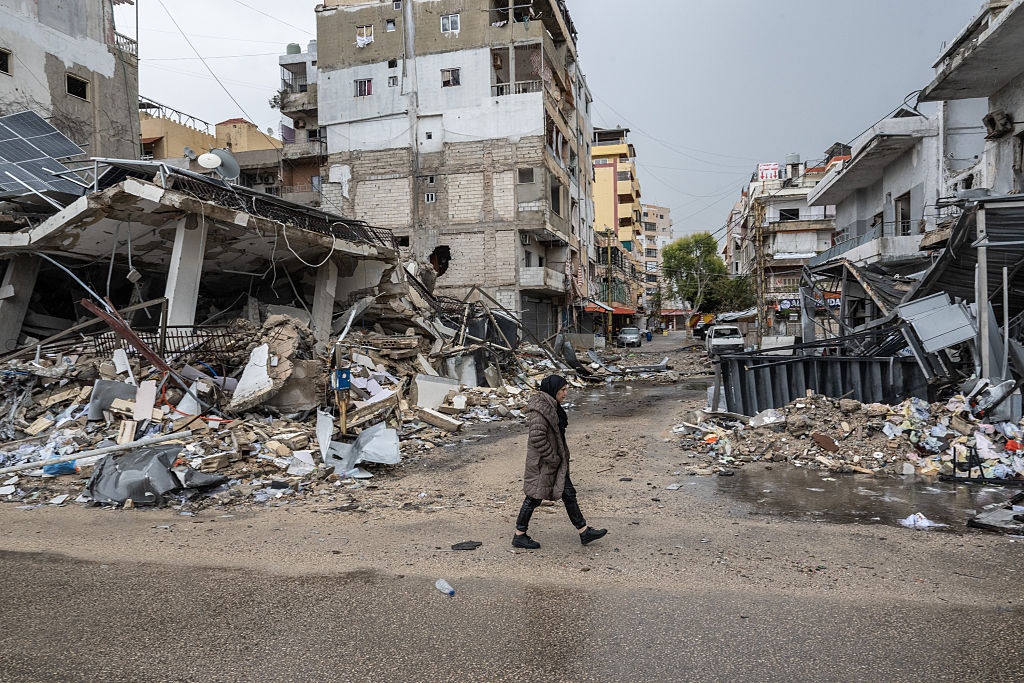
Paradoxically, the US-Iran agreement may represent a significant Israeli victory, despite hardline disappointment over the absence of total regime destruction in Tehran. Operation Epic Fury not only neutralized the Iranian nuclear threat but provided Jerusalem the strategic cover needed to simultaneously open a northern military front that effectively eliminated immediate dangers along its border with Lebanon.
Securing the northern frontier and pushing hostile forces away from the Galilee has been an Israeli strategic objective for over half a century. Through decisive military action—while Iran remained unable to intervene—that goal has now been substantially achieved. Israel emerges from this conflict as a tactical winner, having dismantled a significant portion of the proxy network that once encircled it.
With Gaza already devastated and the northern threat significantly reduced, Israel has gained the most precious commodity in Middle Eastern geopolitics: time.
The Nuclear Question Resolved
The strategic benefits extend well beyond Lebanon’s borders. For decades, the existential shadow hanging over Israel has been the prospect of a nuclear-armed Islamic state. Since 1979, Israeli operations have struck nuclear-related targets in France, Egypt, Syria, Iraq, and Iran. The recent military operations have effectively crippled and officially halted Tehran’s pathway to nuclear weapons—a monumental achievement that secures Israeli survival for the foreseeable future.
The Perils of Hubris
For Israel to sabotage the American deal in the coming weeks would constitute an act of profound strategic hubris, as Brussels Signal reports. Genuine statesmanship requires recognizing when to consolidate gains rather than pursuing absolute victory. By accepting the diplomatic framework, Israel can lock in its northern territorial gains, secure the permanent destruction of Iran’s nuclear ambitions, allow global economic stabilization, and undertake the critical work of repairing fractured Western relationships.
Konstantinos Bogdanos, writing in Brussels Signal, argues that total victory is a dangerous illusion that appeals to fanatics, not wise leaders.
The genuine victory for Israel lies in securing national survival while preserving essential alliances with Western powers. If Jerusalem persists in fighting a war that its allies desperately want concluded, the greatest threat to its future may not come from the regime in Tehran but from its own self-imposed isolation. Strategic wisdom demands accepting substantial gains over chasing phantom absolutes that risk everything already won.
With information from Brussels Signal





