
US and Iran Sign Agreement to End War
The U.S. and Iran signed a framework agreement to reopen the Strait of Hormuz and ease sanctions, with Pakistan brokering the deal that gives both sides 60 days to negotiate a final settlement.

Under the terms of the agreement, Iran has committed to reopening the Strait of Hormuz for maritime traffic without delay, while the United States will lift its naval blockade of Iranian ports. The framework further stipulates that Washington will issue exemptions permitting the export of Iranian crude oil and release frozen Iranian assets held abroad.
Comprehensive sanctions relief, however, remains contingent on a final agreement. Both parties now have 60 days to negotiate a permanent settlement, with the possibility of extending that deadline if needed.
Nuclear Dispute Remains Central Obstacle
Core disagreements surrounding Iran’s atomic program remain unresolved and will form a central part of final negotiations. As an initial confidence-building measure, highly enriched uranium stockpiles will be diluted on Iranian soil under the supervision of the International Atomic Energy Agency.
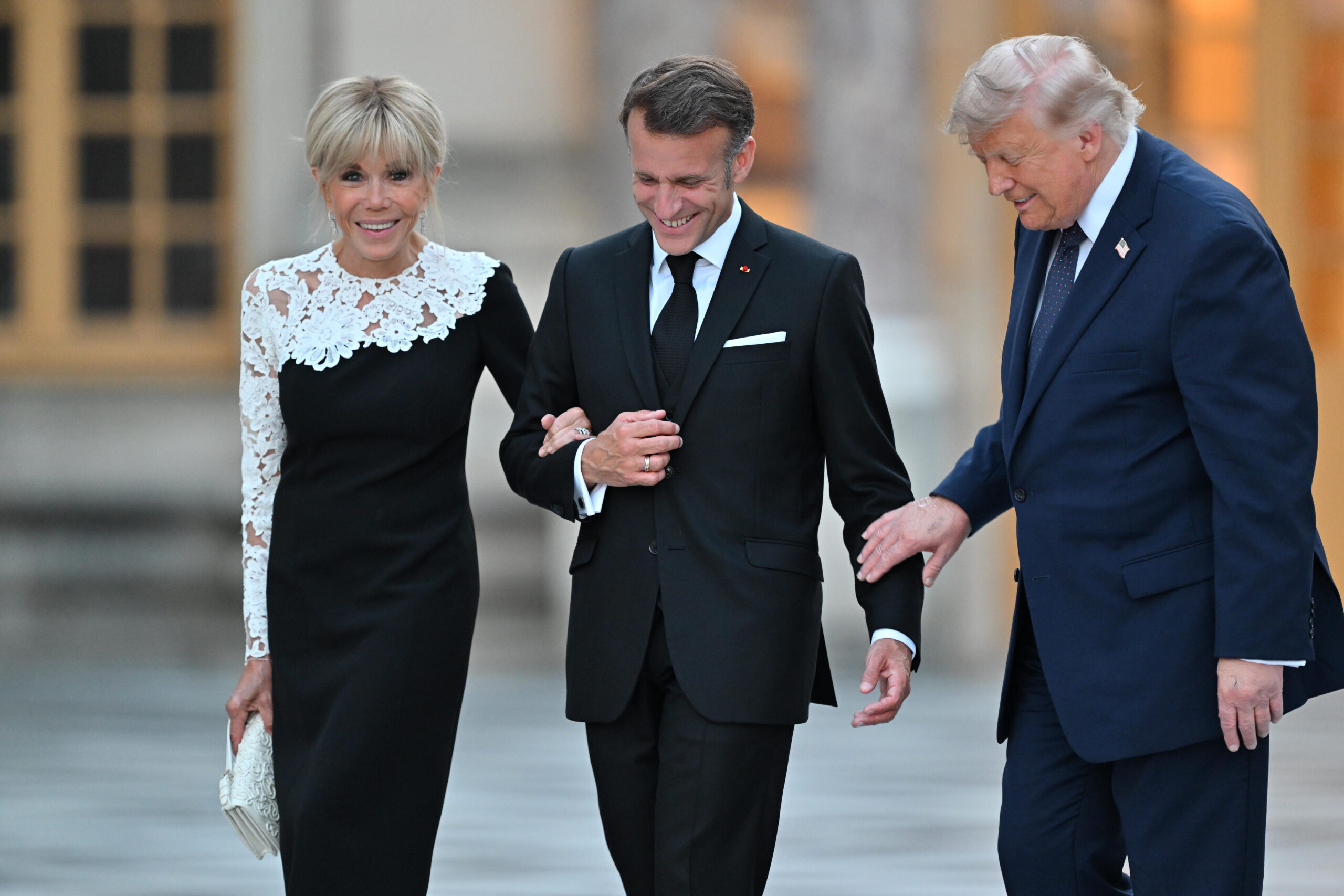
Donald Trump signed the framework agreement on the sidelines of the G7 summit in Versailles. Footage released by the White House captured the signing ceremony, with French President Emmanuel Macron offering his congratulations. Iranian President Massud Pezeshkian also published photographs of the jointly signed document.
The role of a previously announced ceremony in Switzerland remains unclear. Pakistani Prime Minister Shehbaz Sharif had initially publicized plans for a formal celebration, but references to the event later disappeared from his official communications.
Ceasefire Terms Include Regional Conflicts
The 14-point framework includes American stipulations for an immediate and permanent end to hostilities on all fronts, including in Lebanon. The durability of this commitment remains uncertain, particularly regarding compliance by Israel and Hezbollah.
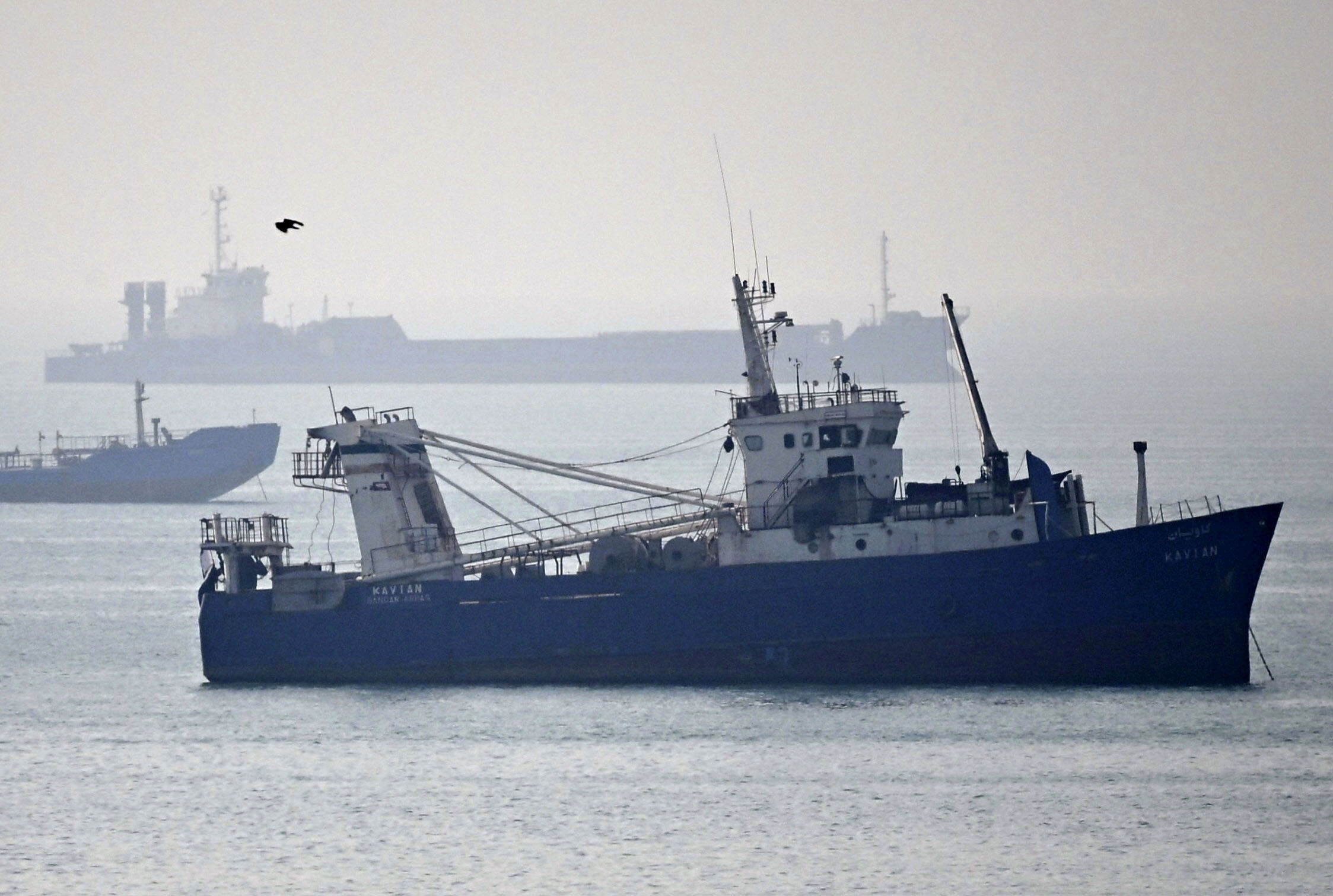
Questions also persist about the future status of the Strait of Hormuz, a critical chokepoint for global energy markets. During the negotiation period, Iran has agreed not to levy tolls on vessels transiting the waterway. Long-term arrangements will be negotiated separately with Oman.
White House Signals Cautious Optimism
Administration officials have adopted a measured tone regarding the agreement’s prospects. White House Chief of Staff Susie Wiles acknowledged that the next 60 days will bring challenges, while Trump himself warned Tehran of renewed airstrikes should Iran violate the terms of the deal.
The framework concludes months of intense negotiations following a conflict that erupted between the United States, Israel, and Iran in late February. A ceasefire has held since early April. Washington has stated that its primary objective throughout the confrontation was preventing Iran from developing nuclear weapons capability.
With information from Nius





