Necessary Cookies

Required for the site to function. Cannot be disabled.

Analytics Cookies

Help us understand how visitors interact with our site (Google Analytics via GTM).

Marketing Cookies

Used to track visitors and deliver personalised advertisements.

We use cookies to enhance your browsing experience and analyse site traffic. By clicking Accept All, you consent to our use of cookies. Privacy Policy
NewsFire Global
Home News Europe World Christianity Culture Wars Opinion Video
Information
About Us Authors Advertising Terms & Conditions Privacy Policy Contact
R2B Media
R2B NEWSFIRE.GR PAPAFOTIS.GR THRACTION HELLENIC CONSERVATIVES RIGHT2THEBONE YT
News Europe

Will the ‘King of the North’ Oust Starmer from Downing Street?

Andy Burnham's bid for a parliamentary seat in Thursday's Makerfield by-election could enable him to challenge Keir Starmer for Labour leadership as Reform UK surges in national polls.

Dimitris Papafotis
Dimitris Papafotis Editor in Chief
JUNE 17, 2026 AT 7:45 PM

A pivotal by-election in Greater Manchester tomorrow could bring down British Prime Minister Keir Starmer, as the Labour Party faces a historic test in what has long been a safe seat, according to Causeur.

The constituency of Makerfield, located in the town of Wigan west of Manchester and close to Liverpool, has remained largely unknown to most Britons until now. Yet the by-election scheduled for Thursday, June 18, carries enormous political significance for the future of the country.

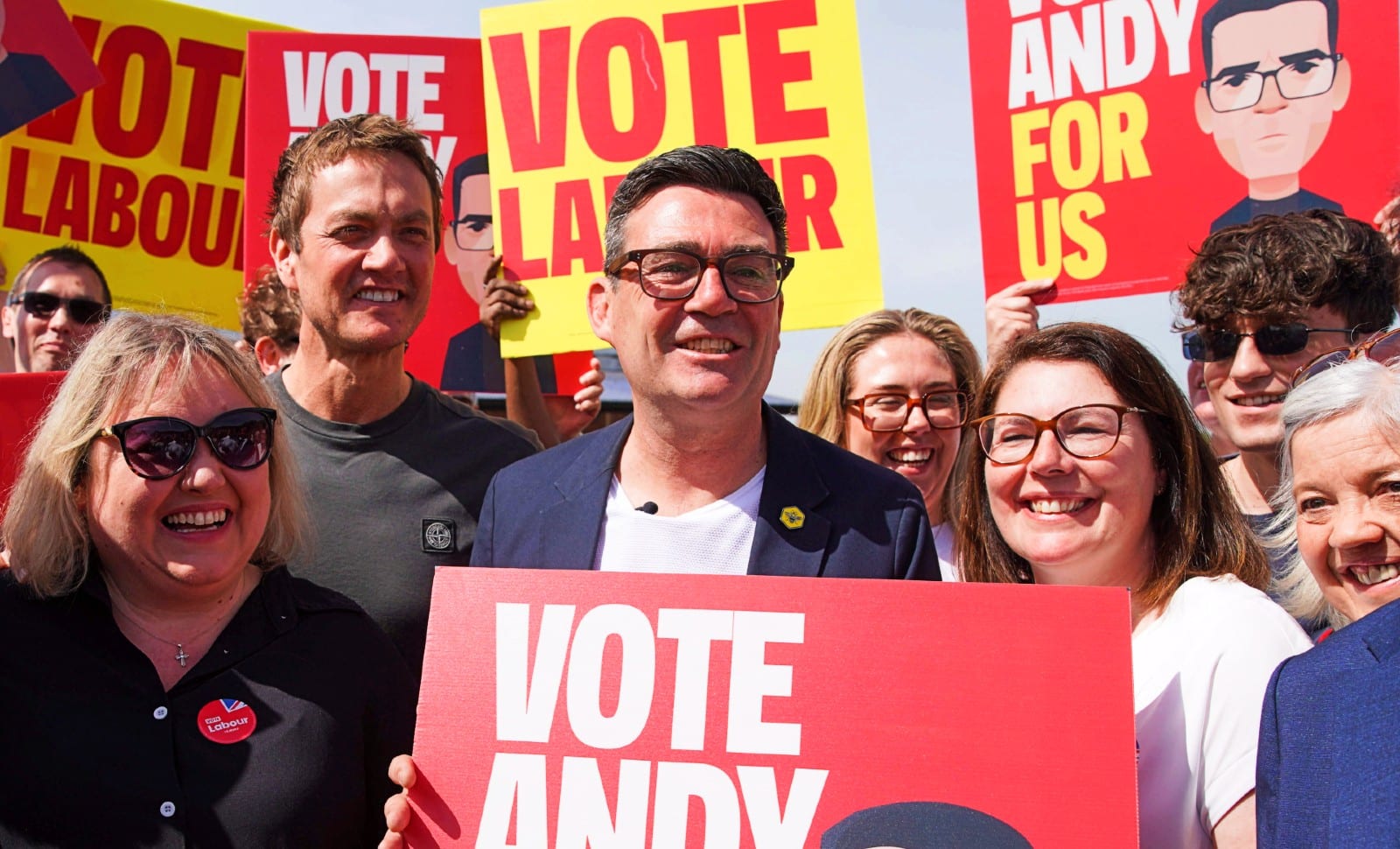
The contest has been deliberately engineered to allow Andy Burnham, the popular Mayor of Manchester, to enter the House of Commons. His victory would position him to challenge Starmer for the Labour leadership and the keys to 10 Downing Street.

A Seat Vacated by Design

Unlike most by-elections, this vote was not triggered by the death of a sitting member or a scandal-related resignation. Josh Simons, who won Makerfield comfortably in the 2024 general election, resigned specifically to create an opening for Burnham.

Under Labour Party rules, only elected Members of Parliament can serve as party leader and Prime Minister. Burnham, who enjoys strong support among Labour activists and left-wing voters, has all the credentials to replace Starmer but needed a parliamentary seat to make his move.

Starmer previously blocked Burnham’s candidacy in another Greater Manchester by-election earlier this year in Gorton and Denton, which was triggered by a scandal. Labour lost that former stronghold badly, finishing third behind the Greens and Reform UK. This time, with his authority within the party severely weakened, Starmer could not prevent Burnham from running in Makerfield.

Reform UK Surges as Traditional Parties Collapse

The by-election also represents a crucial test for Nigel Farage‘s Reform UK party at the national level. Currently holding just eight seats in the House of Commons, Reform leads national polling with 26 percent support, compared to 18 percent each for Labour and the Conservatives.

A Reform victory in Makerfield, a Labour bastion since its creation in 1983, would demonstrate that the party’s popularity is not a temporary phenomenon and that both traditional parties have much to fear before the next general election, due no later than 2029.

Starmer’s Popularity at Historic Lows

For most Labour MPs and party members, replacing Starmer has become an urgent priority as his approval ratings have reached record lows, dragging the entire party down with him. Elections held in May provided stark evidence of the scale of the problem.

In Wales, where Labour had dominated the devolved parliament since its creation, the party was decimated, losing 35 seats and falling to just nine total. The Welsh nationalists finished first with 43 seats, while Reform surged from two seats to 34.

In Scotland, Labour lost four seats, dropping to 17 total. Reform, contesting Scottish parliamentary elections for the first time, also won 17 seats.

In England, Labour lost 1,498 local council seats. Reform again capitalized on the collapse, jumping from two seats to 1,454.

When voters are asked about their decisions, dissatisfaction with Starmer consistently ranks among the primary reasons for abandoning Labour, as Causeur reports.

Economic Failures Compound Political Crisis

While not all problems can be blamed on Starmer personally, his actions have tarnished his image and he remains responsible for an economic program that has delivered minimal results. After promising not to raise income taxes or VAT, the Labour government was forced to increase employer social security contributions to finance its spending. The move has had a paralyzing effect on hiring, private investment, and economic growth.

If the Labour candidate wins tomorrow, Starmer will likely be forced to leave 10 Downing Street within days. His departure would almost certainly have profound consequences for the future direction of the United Kingdom.

With information from Causeur

Share:
Dimitris Papafotis
Dimitris Papafotis

Dimitris Papafotis is the editor-in-chief of NewsFire.GR. He was born and raised in Athens. He studied at the Journalism Workshop (1991-1993). He currently lives in Pyrgos, Ilia, where he has been active in radio and various newspapers, while also maintaining his personal blog, Papafotis.gr.

A pivotal by-election in Greater Manchester tomorrow could bring down British Prime Minister Keir Starmer, as the Labour Party faces a historic test in what has long been a safe seat, according to Causeur.

The constituency of Makerfield, located in the town of Wigan west of Manchester and close to Liverpool, has remained largely unknown to most Britons until now. Yet the by-election scheduled for Thursday, June 18, carries enormous political significance for the future of the country.

The contest has been deliberately engineered to allow Andy Burnham, the popular Mayor of Manchester, to enter the House of Commons. His victory would position him to challenge Starmer for the Labour leadership and the keys to 10 Downing Street.

A Seat Vacated by Design

Unlike most by-elections, this vote was not triggered by the death of a sitting member or a scandal-related resignation. Josh Simons, who won Makerfield comfortably in the 2024 general election, resigned specifically to create an opening for Burnham.

Under Labour Party rules, only elected Members of Parliament can serve as party leader and Prime Minister. Burnham, who enjoys strong support among Labour activists and left-wing voters, has all the credentials to replace Starmer but needed a parliamentary seat to make his move.

Starmer previously blocked Burnham’s candidacy in another Greater Manchester by-election earlier this year in Gorton and Denton, which was triggered by a scandal. Labour lost that former stronghold badly, finishing third behind the Greens and Reform UK. This time, with his authority within the party severely weakened, Starmer could not prevent Burnham from running in Makerfield.

Reform UK Surges as Traditional Parties Collapse

The by-election also represents a crucial test for Nigel Farage‘s Reform UK party at the national level. Currently holding just eight seats in the House of Commons, Reform leads national polling with 26 percent support, compared to 18 percent each for Labour and the Conservatives.

A Reform victory in Makerfield, a Labour bastion since its creation in 1983, would demonstrate that the party’s popularity is not a temporary phenomenon and that both traditional parties have much to fear before the next general election, due no later than 2029.

Starmer’s Popularity at Historic Lows

For most Labour MPs and party members, replacing Starmer has become an urgent priority as his approval ratings have reached record lows, dragging the entire party down with him. Elections held in May provided stark evidence of the scale of the problem.

In Wales, where Labour had dominated the devolved parliament since its creation, the party was decimated, losing 35 seats and falling to just nine total. The Welsh nationalists finished first with 43 seats, while Reform surged from two seats to 34.

In Scotland, Labour lost four seats, dropping to 17 total. Reform, contesting Scottish parliamentary elections for the first time, also won 17 seats.

In England, Labour lost 1,498 local council seats. Reform again capitalized on the collapse, jumping from two seats to 1,454.

When voters are asked about their decisions, dissatisfaction with Starmer consistently ranks among the primary reasons for abandoning Labour, as Causeur reports.

Economic Failures Compound Political Crisis

While not all problems can be blamed on Starmer personally, his actions have tarnished his image and he remains responsible for an economic program that has delivered minimal results. After promising not to raise income taxes or VAT, the Labour government was forced to increase employer social security contributions to finance its spending. The move has had a paralyzing effect on hiring, private investment, and economic growth.

If the Labour candidate wins tomorrow, Starmer will likely be forced to leave 10 Downing Street within days. His departure would almost certainly have profound consequences for the future direction of the United Kingdom.

With information from Causeur