
Macron Offers Trump Help on Iran Deal With Hormuz Strait Condition
French President Macron said France could deploy naval assets to the Strait of Hormuz within days to support Trump's Iran deal, but only after receiving written confirmation of the agreement.

The United States and Iran electronically signed a memorandum of understanding on Sunday that would reopen the Strait of Hormuz, terminate the American naval blockade, extend the ceasefire, and establish a framework for nuclear negotiations.
However, G7 leaders—some of Trump’s closest allies—have yet to review the actual text of the memorandum, according to officials cited by New York Post. Macron has made clear he requires concrete details before committing French naval power, including the carrier Charles de Gaulle, to demining operations in the strategic waterway.
Speaking to French television network TF1 on the sidelines of the G20 summit, Macron stated the Charles de Gaulle and accompanying assets could deploy within two to three days following confirmation of the agreement.
France and the United Kingdom have spearheaded efforts to organize a maritime mission to secure the Strait of Hormuz once hostilities cease. Macron confirmed that a multinational mission has been assembled with British participation and is prepared for rapid deployment.
British Prime Minister Keir Starmer welcomed the deal’s completion and committed Britain to playing its part in demining efforts. However, Starmer stopped short of committing to a specific deployment timeline, suggesting allied leaders remain cautious pending review of the agreement’s terms.
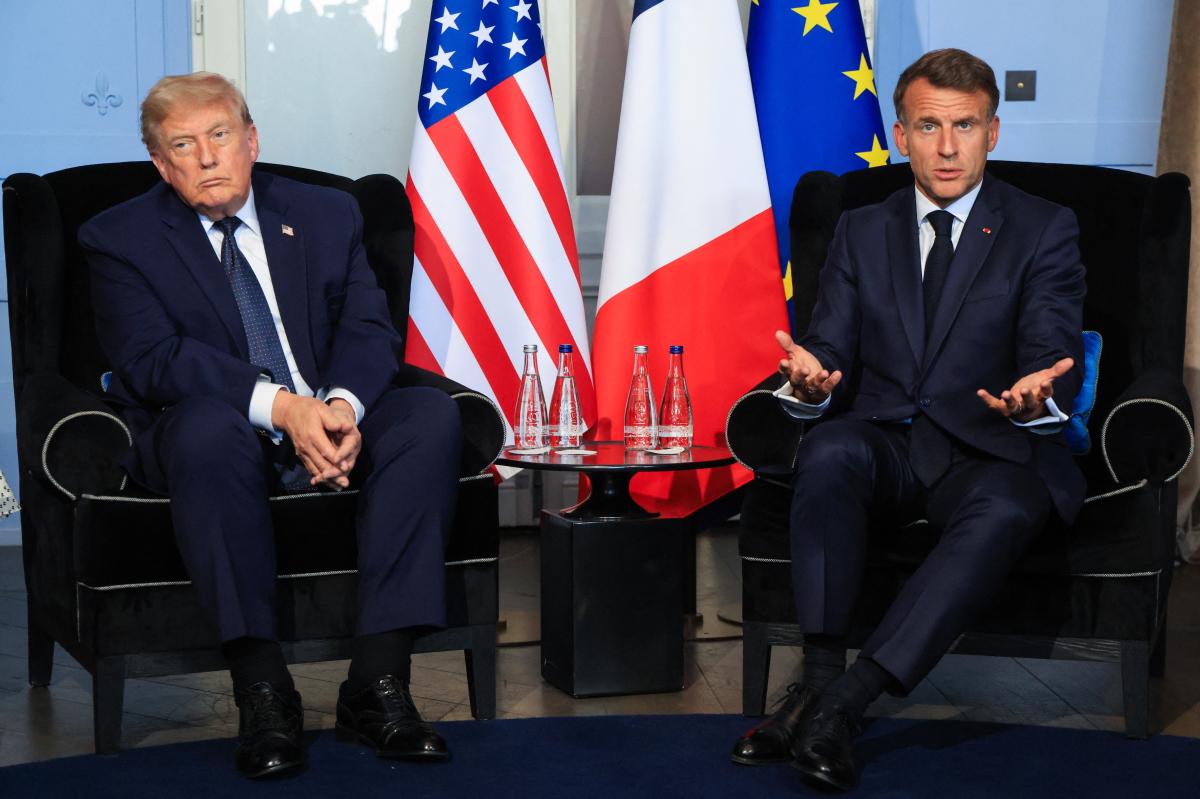
G7 leaders will have ample opportunity to question Trump directly. A working group session on Tuesday is dedicated entirely to Iran, and Trump sat between Starmer and Macron at Monday night’s welcome dinner, facilitating informal discussions. All three leaders are lodging at the same hotel in Evian, France.
The final terms of the peace agreement have generated considerable confusion. Trump has declared the strait will remain permanently free of tolls, while Iranian state media claims a toll will be imposed after 60 days to fund services and waterway maintenance.
A senior administration official clarified that the memorandum explicitly states the straits will remain toll-free for 60 days, with expectations that this provision will be incorporated into the final agreement.
Additional uncertainties surround the conditions Iran must satisfy to access reconstruction funds or assets frozen under sanctions. Even the timeline for releasing the deal’s terms remains unclear, with contradictory statements from administration officials and the president himself.
One senior administration official indicated the details could emerge early this week, while Trump suggested they would not be released until after a signing ceremony in Switzerland. Another official stated all agreement details would be released within 24 to 48 hours, though Trump indicated the text would follow Friday’s signing ceremony.
The president, who previously criticized European nations for insufficient military support during the conflict, appeared to soften his stance in discussions with Macron. While initially suggesting American forces might not require assistance, Trump acknowledged that deploying a few allied ships to the region would not be unwelcome.
With information from New York Post





