Necessary Cookies

Required for the site to function. Cannot be disabled.

Analytics Cookies

Help us understand how visitors interact with our site (Google Analytics via GTM).

Marketing Cookies

Used to track visitors and deliver personalised advertisements.

We use cookies to enhance your browsing experience and analyse site traffic. By clicking Accept All, you consent to our use of cookies. Privacy Policy
NewsFire Global
Home News Europe World Christianity Culture Wars Opinion Video
Information
About Us Authors Advertising Terms & Conditions Privacy Policy Contact
R2B Media
R2B NEWSFIRE.GR PAPAFOTIS.GR THRACTION HELLENIC CONSERVATIVES RIGHT2THEBONE YT
News World

US and Iran Reach Deal: Economic Relief in Sight

The United States and Iran reached a framework agreement to end weeks of conflict, with both nations committing to cease military operations and reopen the Strait of Hormuz after Friday's signing.

Newsroom
Newsroom Staff Writer
JUNE 15, 2026 AT 9:48 AM

According to Nius, the breakthrough came after extensive negotiations centered on the strategically critical Strait of Hormuz, a chokepoint for global oil and gas trade that has been closed during the recent hostilities. The agreement is scheduled to be formally signed Friday in Geneva, Switzerland.

Few details of the framework text have been released publicly ahead of the signing ceremony. Pakistani Prime Minister Shehbaz Sharif confirmed on social media platform X that both parties have agreed to an immediate and permanent cessation of military operations across all fronts, including the conflict between Israel and the pro-Iranian Hezbollah militia in Lebanon.

The Strait of Hormuz will not reopen to shipping traffic until after Friday’s formal signing, as President Trump clarified in a subsequent post. The delay, he explained, is necessary to allow for demining operations in the waterway. Oil prices, which had surged following the outbreak of fighting in late February, dropped sharply on news of the deal. Stock markets in Japan, China and South Korea rallied immediately upon opening.

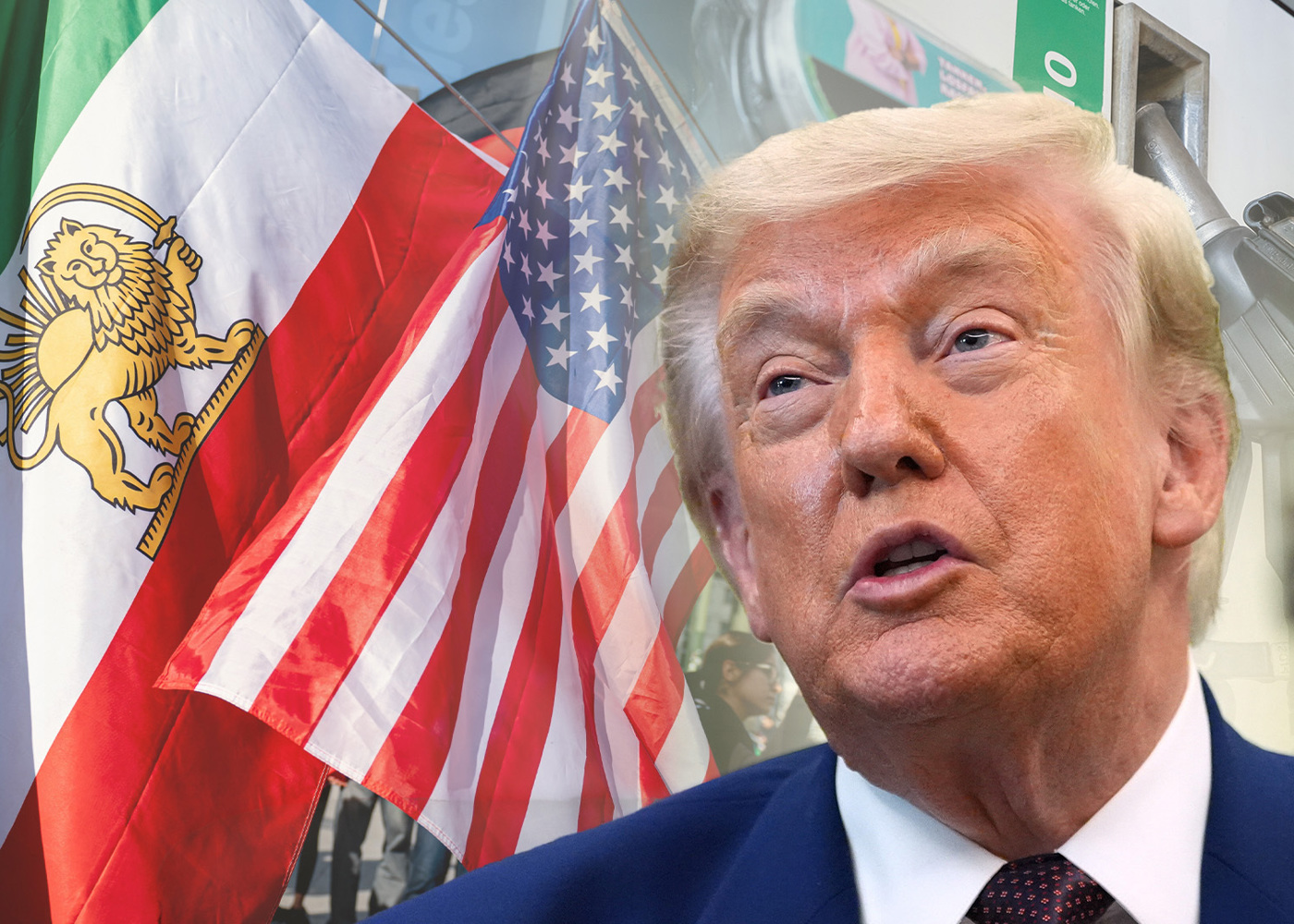
In exchange for Iran’s commitment to reopen the strait, Trump announced he has ordered the immediate lifting of the U.S. naval blockade of Iranian ports. That blockade was designed to cut Tehran off from crucial oil export revenues that fund the Islamist regime. The sequencing means Iran secured one of its primary demands upfront, while the United States must wait until Friday for the strait to reopen.
Global energy markets reacted swiftly to the diplomatic breakthrough. Crude oil and liquified natural gas supplies from the Gulf region are expected to resume rapidly once the strait reopens, with commodity prices projected to decline over the medium term. That relief could provide significant support to the global economy, which has faced inflationary pressure from disrupted energy supplies.

Experts caution, however, against premature optimism. The framework represents only an intermediate step in a diplomatic process that faces its greatest hurdles ahead, particularly regarding Iran’s nuclear ambitions and its network of militant proxies throughout the Middle East.

With information from Nius

Share:
Newsroom
Newsroom

NewsFire.GR is a website created with the hope that the media will rediscover their true identity, which is none other than informing the public about the real stakes of our times. Journalism and political analysis must hold power accountable, not serve it.

According to Nius, the breakthrough came after extensive negotiations centered on the strategically critical Strait of Hormuz, a chokepoint for global oil and gas trade that has been closed during the recent hostilities. The agreement is scheduled to be formally signed Friday in Geneva, Switzerland.

Few details of the framework text have been released publicly ahead of the signing ceremony. Pakistani Prime Minister Shehbaz Sharif confirmed on social media platform X that both parties have agreed to an immediate and permanent cessation of military operations across all fronts, including the conflict between Israel and the pro-Iranian Hezbollah militia in Lebanon.

Following intensive talks, we are pleased to announce that the Peace Deal between the United States of America and Islamic Republic of Iran has been REACHED. Both sides have declared the immediate and permanent termination of military operations on all fronts, including in…

— Shehbaz Sharif (@CMShehbaz) June 14, 2026

The Strait of Hormuz will not reopen to shipping traffic until after Friday’s formal signing, as President Trump clarified in a subsequent post. The delay, he explained, is necessary to allow for demining operations in the waterway. Oil prices, which had surged following the outbreak of fighting in late February, dropped sharply on news of the deal. Stock markets in Japan, China and South Korea rallied immediately upon opening.

In exchange for Iran’s commitment to reopen the strait, Trump announced he has ordered the immediate lifting of the U.S. naval blockade of Iranian ports. That blockade was designed to cut Tehran off from crucial oil export revenues that fund the Islamist regime. The sequencing means Iran secured one of its primary demands upfront, while the United States must wait until Friday for the strait to reopen.
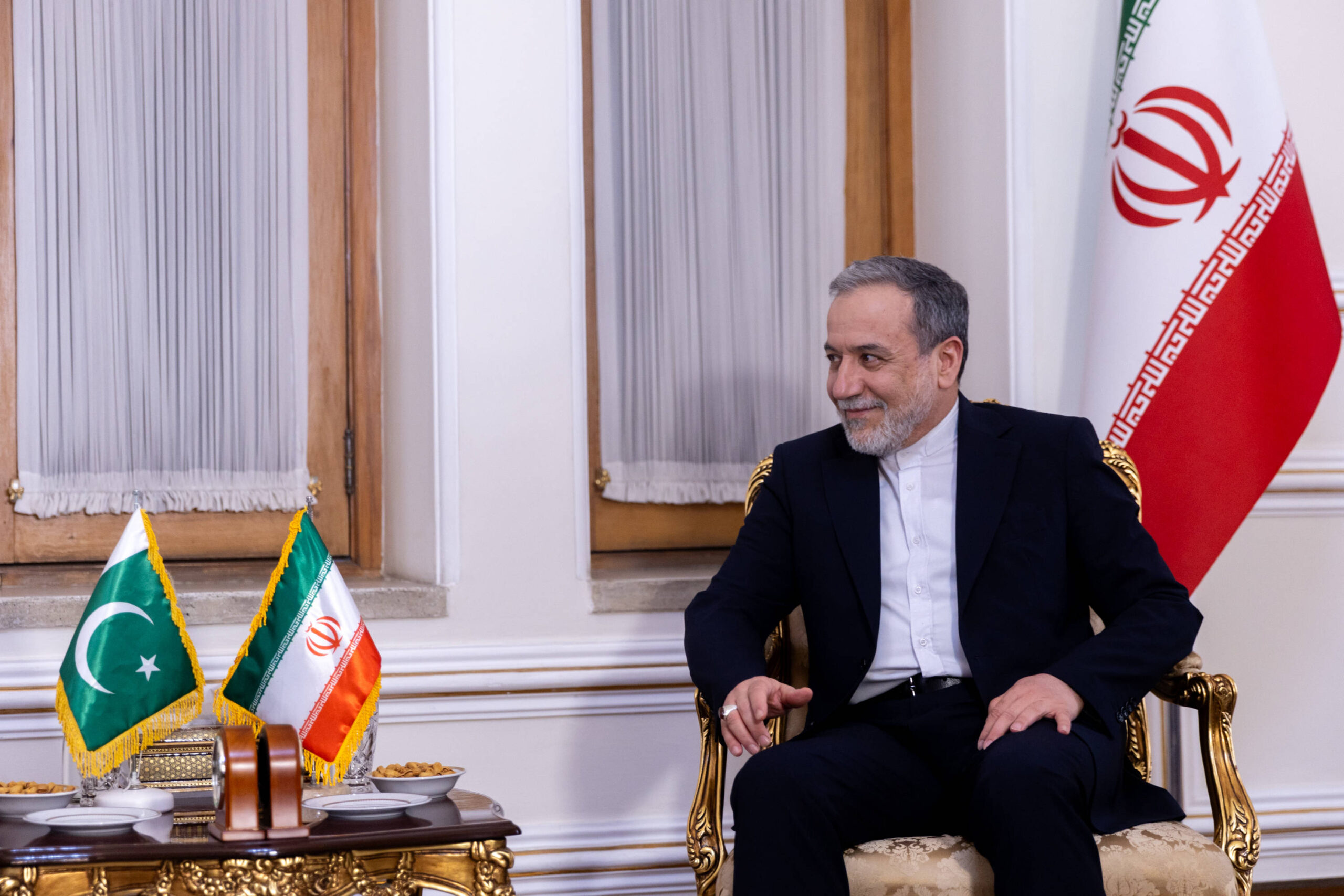
Der iranische Außenminister Abbas Araghtschi.
Photo: nius.de

High-Level Attendance Expected in Geneva

The White House plans top-level representation at the Swiss signing ceremony. Vice President JD Vance told Fox News he definitely intends to attend, though he noted the possibility that President Trump himself could be present. Security protocols make it unlikely both would travel abroad simultaneously. Trump is already scheduled to be in the region for the G7 summit taking place Monday through Wednesday in Évian, France, near Geneva.

Iran has not yet disclosed who will represent the regime at the signing. Karim Sadjadpour, a political scientist at the Carnegie think tank, told CNN he expects either parliamentary speaker and chief negotiator Mohammed Bagher Ghalibaf or Foreign Minister Abbas Araghtschi. Sadjadpour cautioned against expecting warm optics, noting that this is a regime that remains deeply aggrieved.

Framework Leaves Thorniest Issues Unresolved

The agreement is intended only as a foundation for subsequent negotiations on Tehran’s nuclear program, viewed by Washington and its Israeli ally as the most critical concern. Even if the framework holds, the most difficult questions remain unanswered, according to Richard Fontaine of the Center for a New American Security think tank.

Those unresolved issues include the nuclear program, Iran’s support for regional proxy forces, and the regime’s missile and drone arsenal. Writing on X, Fontaine observed that the points excluded from the framework agreement are precisely those that led to war in the first place. The preliminary deal is therefore far from the end of the conflict, or even the beginning of the end, though it could represent a first step in the right direction.

nius.de
Photo: nius.de

European Powers Offer Support for Strait Reopening

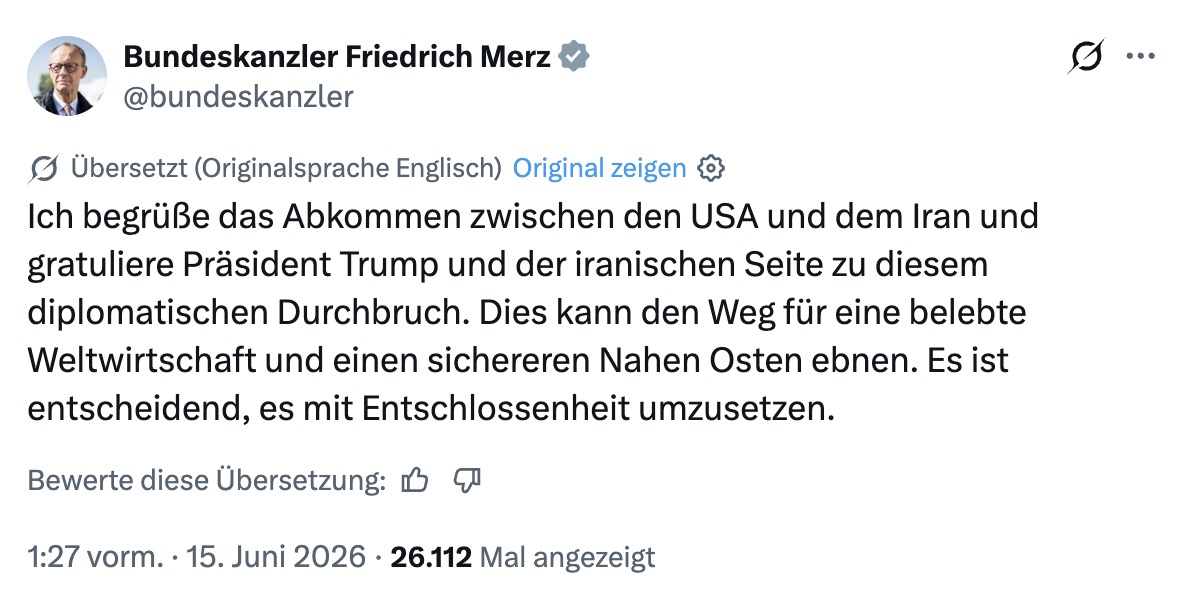
Germany, France, Britain and Italy announced their readiness to support the resumption of shipping through the Strait of Hormuz following the agreement. German Chancellor Friedrich Merz and his European counterparts have offered assistance that includes a purely defensive, independent mission to protect commercial shipping traffic.

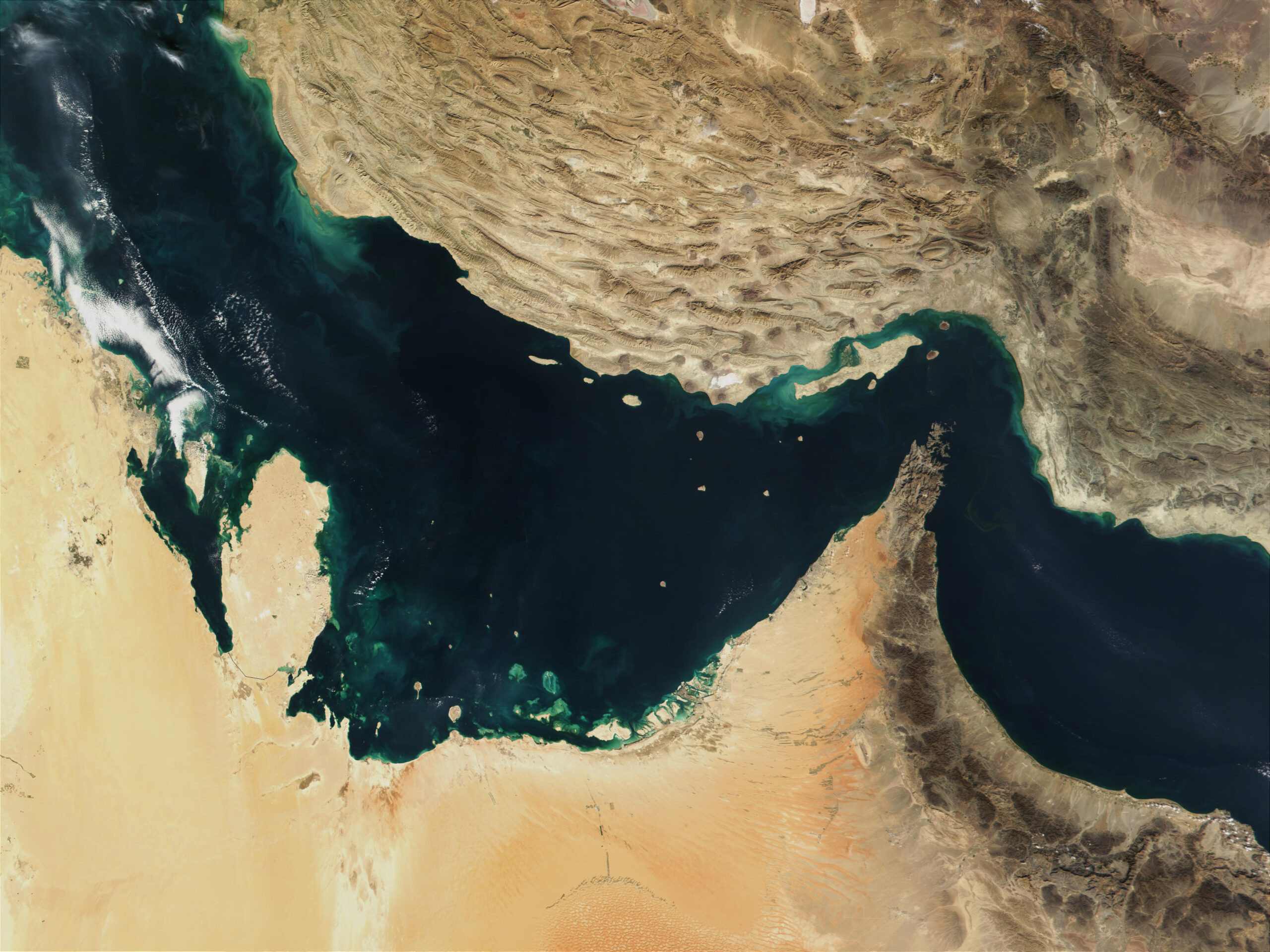
Der Persische Golf, die Straße von Hormus und der Golf von Oman in einer undatierten, von der NASA zur Verfügung gestellten, Satellitenaufnahme.
Photo: nius.de
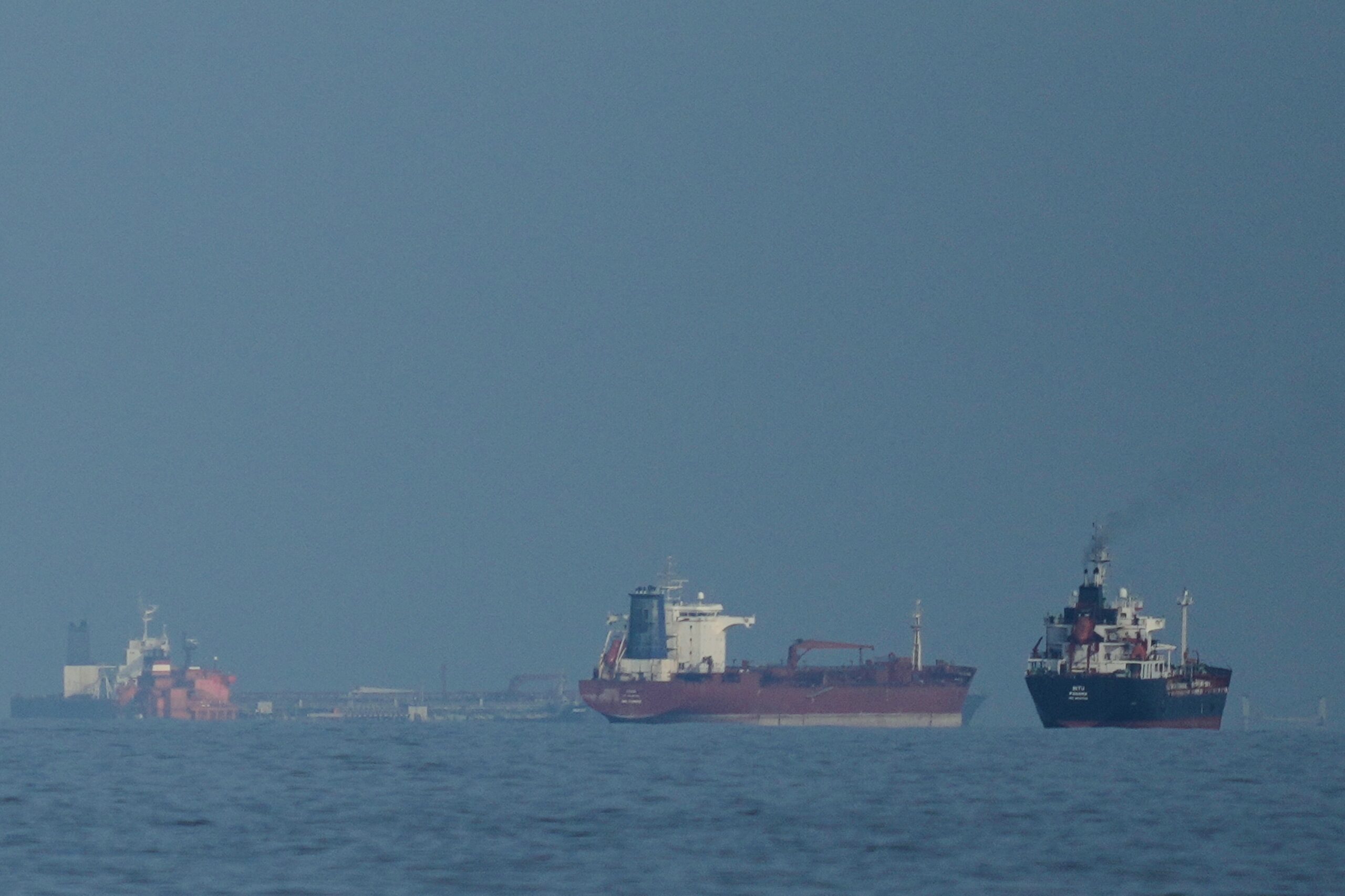
Öltanker und Frachtschiffe reihen sich in der Straße von Hormus auf.
Photo: nius.de

Global energy markets reacted swiftly to the diplomatic breakthrough. Crude oil and liquified natural gas supplies from the Gulf region are expected to resume rapidly once the strait reopens, with commodity prices projected to decline over the medium term. That relief could provide significant support to the global economy, which has faced inflationary pressure from disrupted energy supplies.

Experts caution, however, against premature optimism. The framework represents only an intermediate step in a diplomatic process that faces its greatest hurdles ahead, particularly regarding Iran’s nuclear ambitions and its network of militant proxies throughout the Middle East.

With information from Nius