Necessary Cookies

Required for the site to function. Cannot be disabled.

Analytics Cookies

Help us understand how visitors interact with our site (Google Analytics via GTM).

Marketing Cookies

Used to track visitors and deliver personalised advertisements.

We use cookies to enhance your browsing experience and analyse site traffic. By clicking Accept All, you consent to our use of cookies. Privacy Policy
NewsFire Global
Home News Europe World Christianity Culture Wars Opinion Video
Information
About Us Authors Advertising Terms & Conditions Privacy Policy Contact
R2B Media
R2B NEWSFIRE.GR PAPAFOTIS.GR THRACTION HELLENIC CONSERVATIVES RIGHT2THEBONE YT
News Europe

When Laughter Becomes Suspect: The Firewall Neurosis

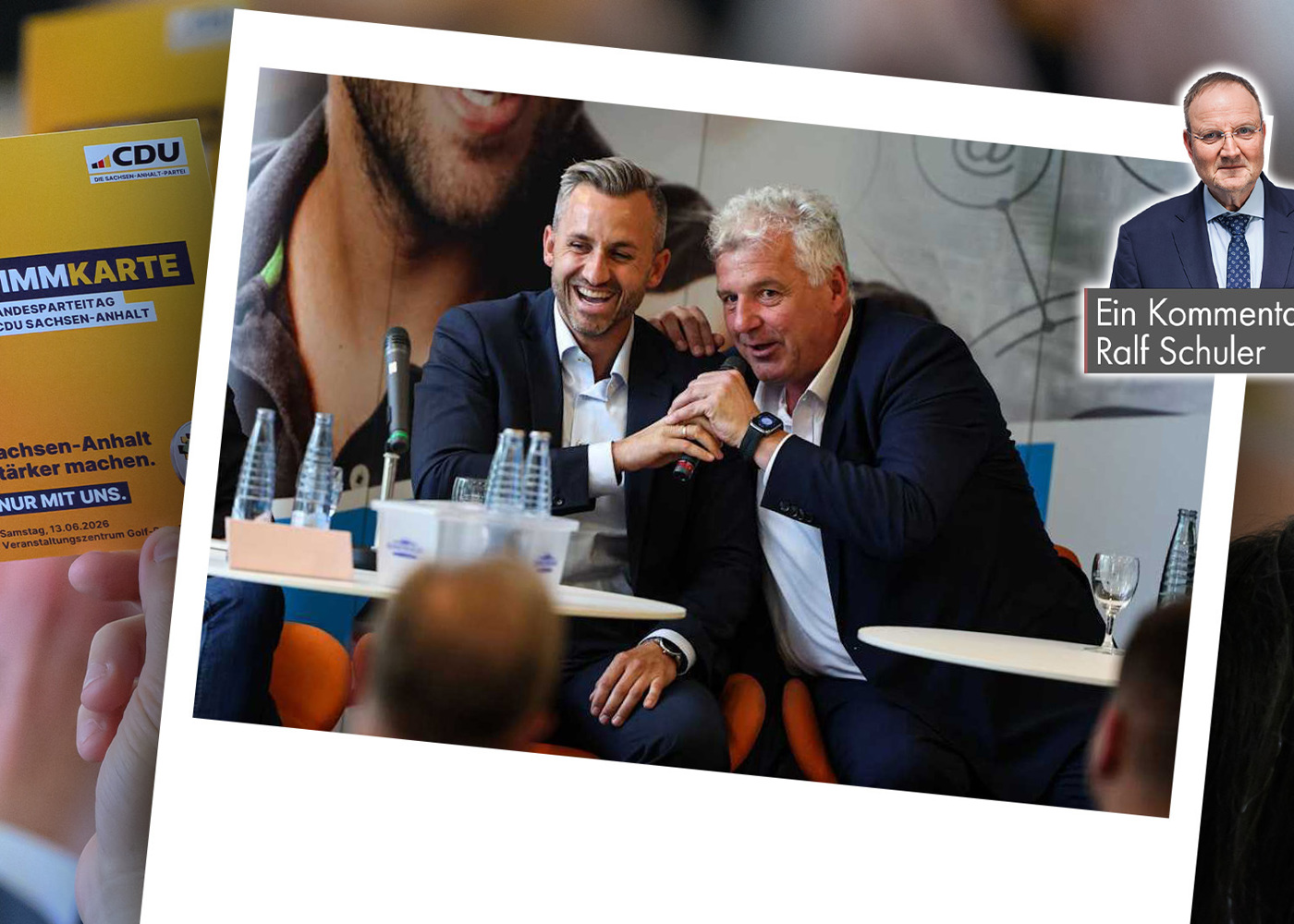
A photo of Germany's CDU parliamentary leader laughing with an AfD candidate sparked controversy over the "firewall" between mainstream parties and the far-right AfD.
Dimitris Papafotis
Dimitris Papafotis Editor in Chief
JUNE 14, 2026 AT 3:02 AM

A photograph showing two politicians laughing together has triggered a media firestorm in Germany, with the Christian Democratic Union forced into damage control after its parliamentary leader was pictured smiling alongside a rival candidate from the Alternative for Germany party.

The image shows Guido Heuer, the CDU parliamentary group leader in Saxony-Anhalt, sitting shoulder to shoulder with Ulrich Siegmund, the AfD’s top candidate in the state, both laughing cheerfully at an event. According to Nius, the entire political explosive power of the photograph lies in one fact: two men are laughing who are not supposed to laugh together.
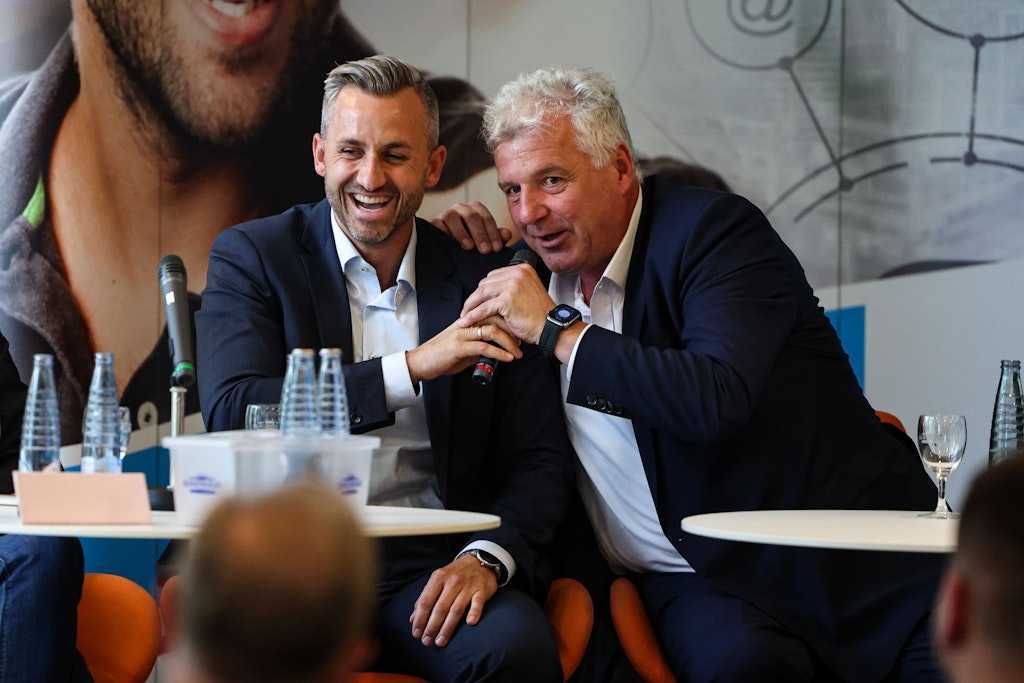
CDU-Fraktionschef Guido Heuer und AfD-Spitzenkandidat Ulrich Siegmund Schulter an Schulter bei einer Veranstaltung in Sachsen-Anhalt. Botschaft: Die Chemie stimmt!
Photo: nius.de

The picture has alarmed those determined to maintain what German political circles call the “Brandmauer” or firewall between the Union parties and the AfD. Media outlets across Germany pounced on the image, with Bild claiming it put Heuer in a position of having to explain himself, while the Tagesspiegel and Mitteldeutsche Zeitung reported it caused irritations, and Focus suggested it brought Heuer into difficulties.

At the CDU state party conference in Dessau, Heuer found himself surrounded by television crews and reporters demanding he justify why he had laughed alongside the AfD politician, as Nius reports. The CDU leader explained that he had been reaching for the microphone to correct a false statement made by Siegmund during a debate, and the laughter occurred in that moment.
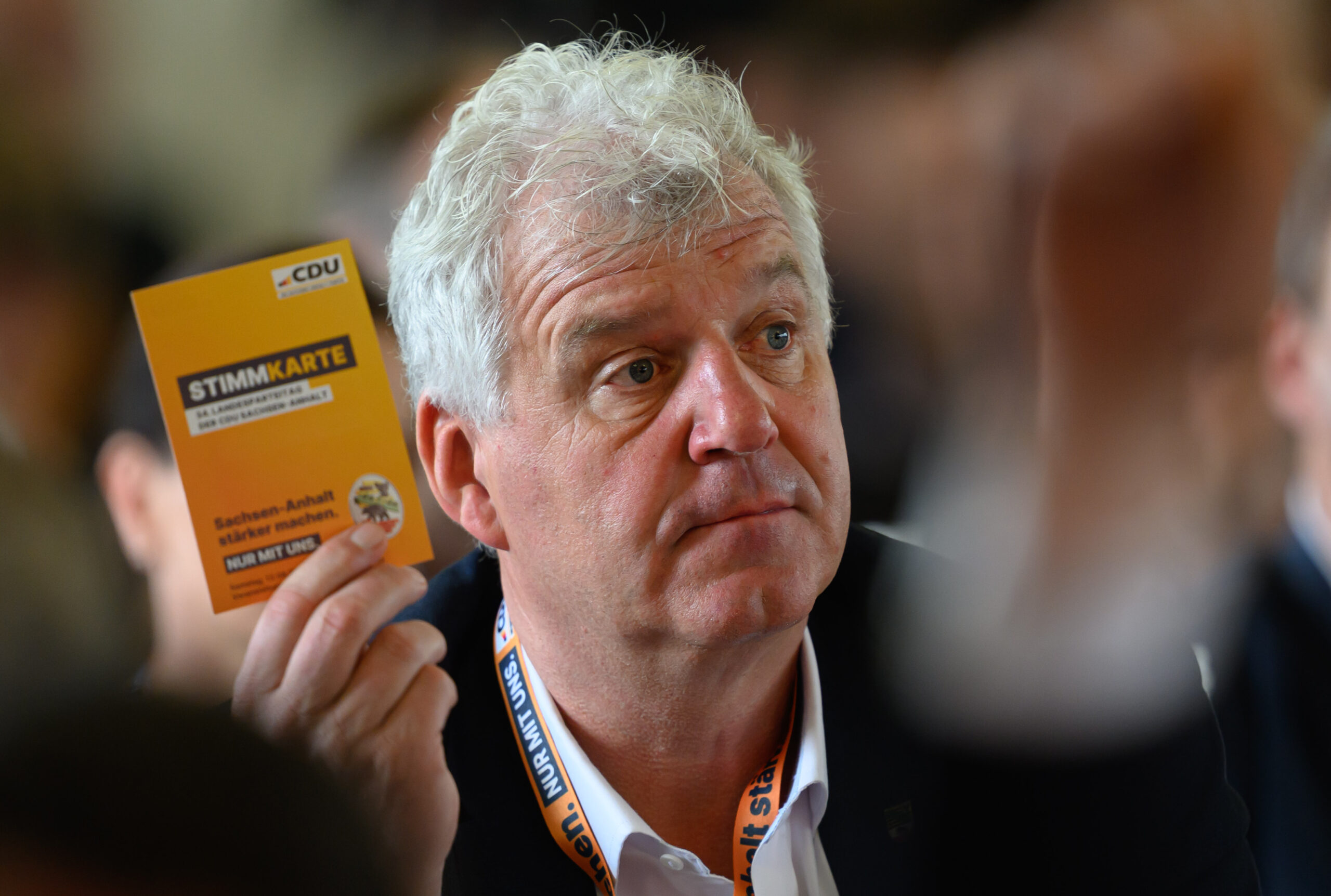
Guido Heuer auf dem CDU-Landesparteitag in Dessau
Photo: nius.de

The incident reveals what Nius describes as a deeply troubling neurosis within German society, where a captured moment of human interaction is placed under political suspicion. From the podium at the CDU conference in Dessau, party officials publicly announced they would not address the photograph and would not discuss the firewall question.

The expectation appears clear: looking grim is mandatory when the AfD is in the room. Showing any sign of collegial understanding with political opponents from that party invites scrutiny and suspicion, regardless of context.
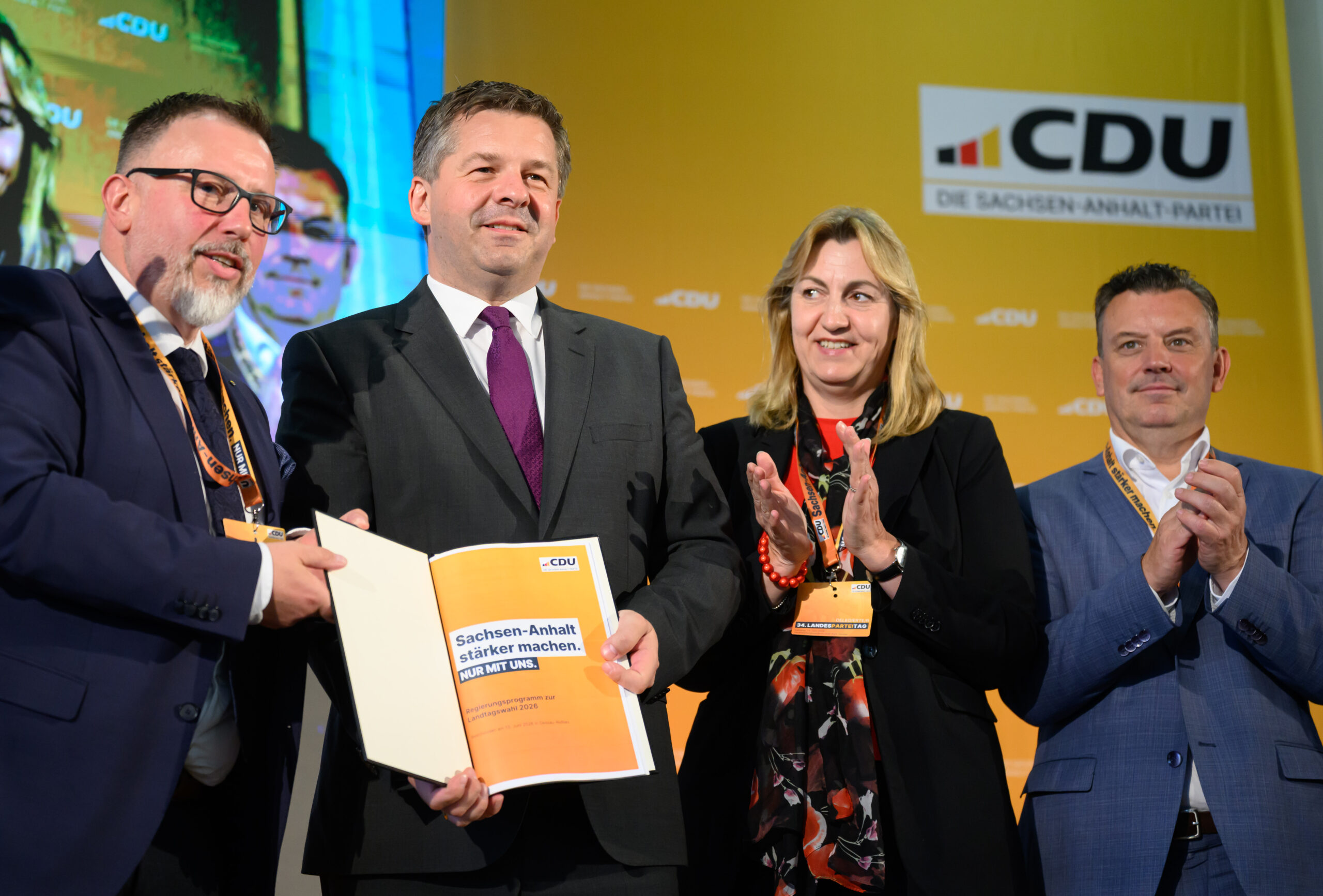
Spitzenkandidat und Amtsträger Sven Schulze kämpft weiter mit Brandmauer-Prinzip um Wählerstimmen.
Photo: nius.de

The phenomenon extends beyond mere photographs. Anyone emphasizing freedom of speech is accused of serving a right-wing narrative if that freedom happens to benefit the wrong people. Those who point out that democratic majorities from elections must be respected are suspected of being AfD activists or supporters, as if accepting election results were not the most normal thing in the world for democrats in a democracy.
nius.de
Photo: nius.de

The situation raises absurd questions about the limits of this political segregation. Should a CDU member who falls in love with an AfD member face social ostracism? Are brothers Marcus Bühl, an AfD member of the Bundestag, and Andreas Bühl, CDU parliamentary leader in the Thuringian state parliament, forbidden from encountering each other at family celebrations in their shared electoral district?

In the old Bonn Republic, sharing a beer across party lines after heated parliamentary debates was considered a sign of mature democracy. Those days appear long gone. Now laughter itself, one of the most primal and ultimately uncontrollable human reflexes, becomes grounds for media and social prosecution.
nius.de
Photo: nius.de

The irony is stark: those who constantly bemoan the division of society are the very ones demanding that division extend into every last corner of daily life. Hostility as a full-time occupation, suspicion as a business model, and the suggestion that AfD members are barely human anymore all find expression in this supposed scandal over a photograph of two men laughing.

The firewall fighters have dug themselves so deeply into their trenches that gestures and facial expressions alone are sufficient to trigger political interrogation, reminiscent of party control commissions calling deviants to account in authoritarian systems.

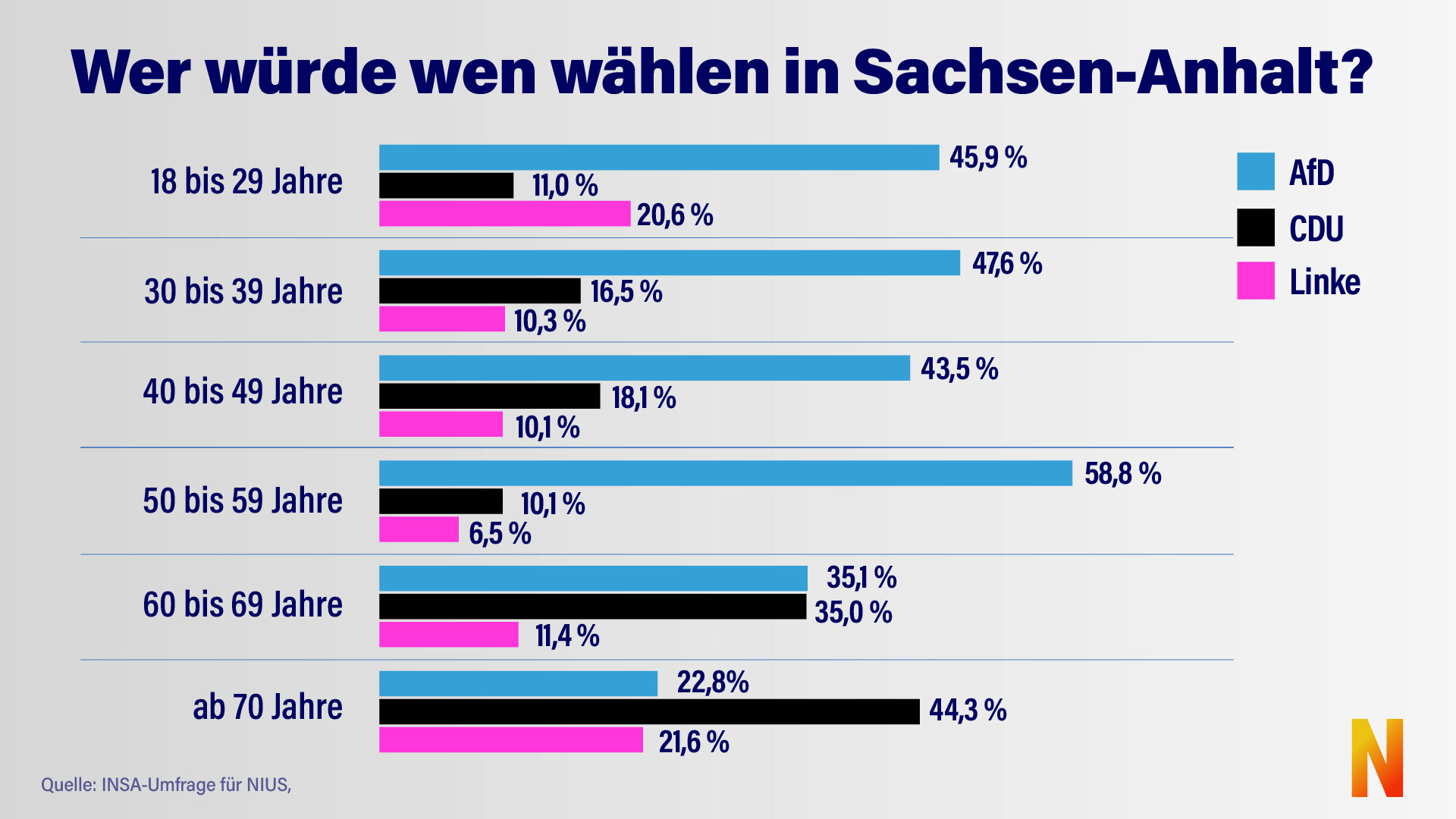
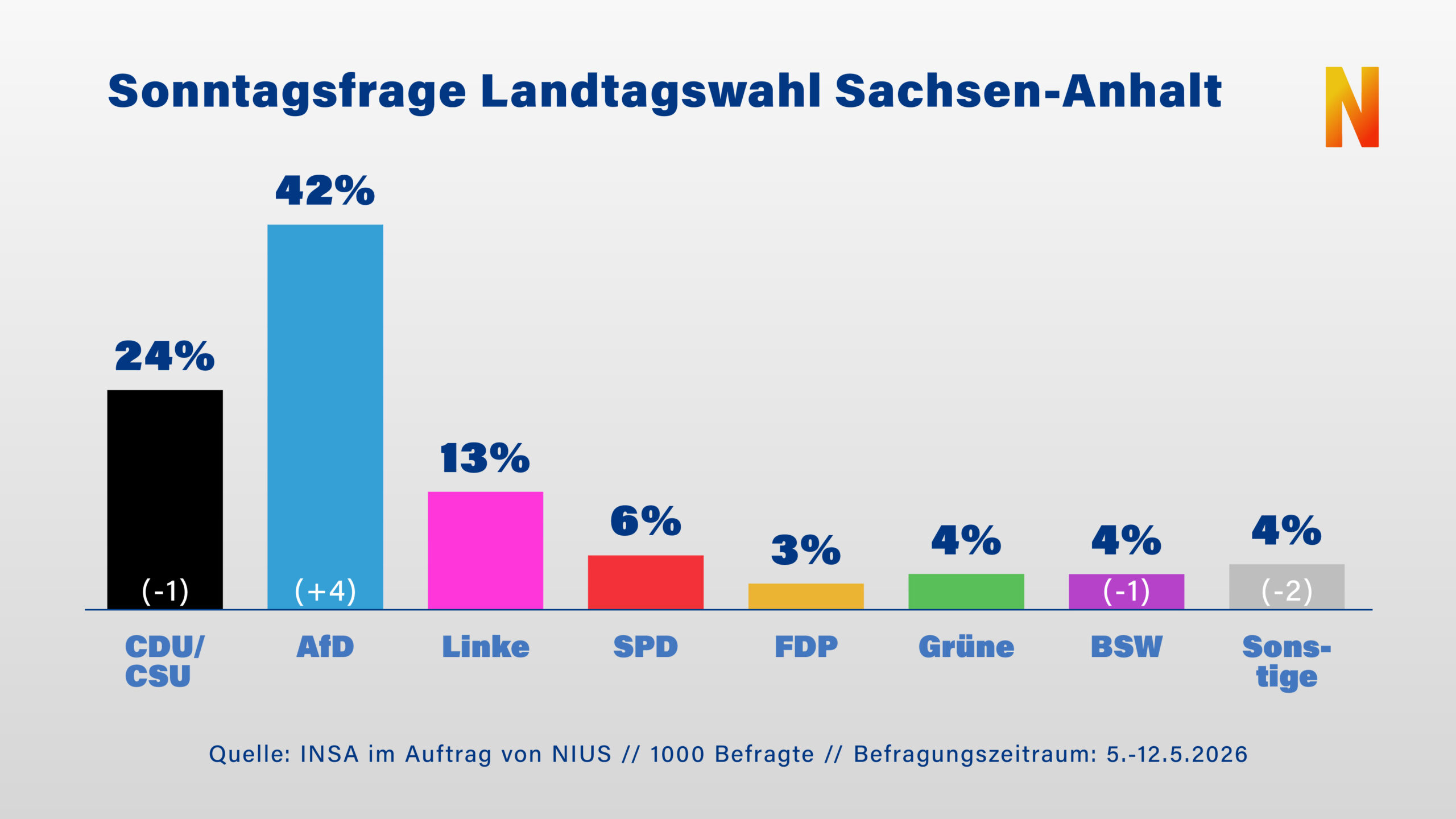
The photograph scandal is particularly absurd given the polling gap between the AfD and Union in Saxsen-Anhalt, where any suggestion that a moment of shared humanity represents abandonment of political competition defies basic logic. Yet the media treatment and political response suggest that maintaining the appearance of perpetual hostility has become more important than normal human interaction between elected representatives.

With information from Nius

Share:
Dimitris Papafotis
Dimitris Papafotis

Dimitris Papafotis is the editor-in-chief of NewsFire.GR. He was born and raised in Athens. He studied at the Journalism Workshop (1991-1993). He currently lives in Pyrgos, Ilia, where he has been active in radio and various newspapers, while also maintaining his personal blog, Papafotis.gr.

A photograph showing two politicians laughing together has triggered a media firestorm in Germany, with the Christian Democratic Union forced into damage control after its parliamentary leader was pictured smiling alongside a rival candidate from the Alternative for Germany party.

The image shows Guido Heuer, the CDU parliamentary group leader in Saxony-Anhalt, sitting shoulder to shoulder with Ulrich Siegmund, the AfD’s top candidate in the state, both laughing cheerfully at an event. According to Nius, the entire political explosive power of the photograph lies in one fact: two men are laughing who are not supposed to laugh together.

CDU-Fraktionschef Guido Heuer und AfD-Spitzenkandidat Ulrich Siegmund Schulter an Schulter bei einer Veranstaltung in Sachsen-Anhalt. Botschaft: Die Chemie stimmt!
Photo: nius.de

The picture has alarmed those determined to maintain what German political circles call the “Brandmauer” or firewall between the Union parties and the AfD. Media outlets across Germany pounced on the image, with Bild claiming it put Heuer in a position of having to explain himself, while the Tagesspiegel and Mitteldeutsche Zeitung reported it caused irritations, and Focus suggested it brought Heuer into difficulties.

At the CDU state party conference in Dessau, Heuer found himself surrounded by television crews and reporters demanding he justify why he had laughed alongside the AfD politician, as Nius reports. The CDU leader explained that he had been reaching for the microphone to correct a false statement made by Siegmund during a debate, and the laughter occurred in that moment.

Guido Heuer auf dem CDU-Landesparteitag in Dessau
Photo: nius.de

The incident reveals what Nius describes as a deeply troubling neurosis within German society, where a captured moment of human interaction is placed under political suspicion. From the podium at the CDU conference in Dessau, party officials publicly announced they would not address the photograph and would not discuss the firewall question.

The expectation appears clear: looking grim is mandatory when the AfD is in the room. Showing any sign of collegial understanding with political opponents from that party invites scrutiny and suspicion, regardless of context.

Spitzenkandidat und Amtsträger Sven Schulze kämpft weiter mit Brandmauer-Prinzip um Wählerstimmen.
Photo: nius.de

The phenomenon extends beyond mere photographs. Anyone emphasizing freedom of speech is accused of serving a right-wing narrative if that freedom happens to benefit the wrong people. Those who point out that democratic majorities from elections must be respected are suspected of being AfD activists or supporters, as if accepting election results were not the most normal thing in the world for democrats in a democracy.

nius.de
Photo: nius.de

The situation raises absurd questions about the limits of this political segregation. Should a CDU member who falls in love with an AfD member face social ostracism? Are brothers Marcus Bühl, an AfD member of the Bundestag, and Andreas Bühl, CDU parliamentary leader in the Thuringian state parliament, forbidden from encountering each other at family celebrations in their shared electoral district?

In the old Bonn Republic, sharing a beer across party lines after heated parliamentary debates was considered a sign of mature democracy. Those days appear long gone. Now laughter itself, one of the most primal and ultimately uncontrollable human reflexes, becomes grounds for media and social prosecution.

nius.de
Photo: nius.de

The irony is stark: those who constantly bemoan the division of society are the very ones demanding that division extend into every last corner of daily life. Hostility as a full-time occupation, suspicion as a business model, and the suggestion that AfD members are barely human anymore all find expression in this supposed scandal over a photograph of two men laughing.

The firewall fighters have dug themselves so deeply into their trenches that gestures and facial expressions alone are sufficient to trigger political interrogation, reminiscent of party control commissions calling deviants to account in authoritarian systems.

The photograph scandal is particularly absurd given the polling gap between the AfD and Union in Saxsen-Anhalt, where any suggestion that a moment of shared humanity represents abandonment of political competition defies basic logic. Yet the media treatment and political response suggest that maintaining the appearance of perpetual hostility has become more important than normal human interaction between elected representatives.

With information from Nius

