Necessary Cookies

Required for the site to function. Cannot be disabled.

Analytics Cookies

Help us understand how visitors interact with our site (Google Analytics via GTM).

Marketing Cookies

Used to track visitors and deliver personalised advertisements.

We use cookies to enhance your browsing experience and analyse site traffic. By clicking Accept All, you consent to our use of cookies. Privacy Policy
NewsFire Global
Home News Europe World Christianity Culture Wars Opinion Video
Information
About Us Authors Advertising Terms & Conditions Privacy Policy Contact
R2B Media
R2B NEWSFIRE.GR PAPAFOTIS.GR THRACTION HELLENIC CONSERVATIVES RIGHT2THEBONE YT
News Europe

Armenia Chooses the Rocky Path in the Lesser Caucasus

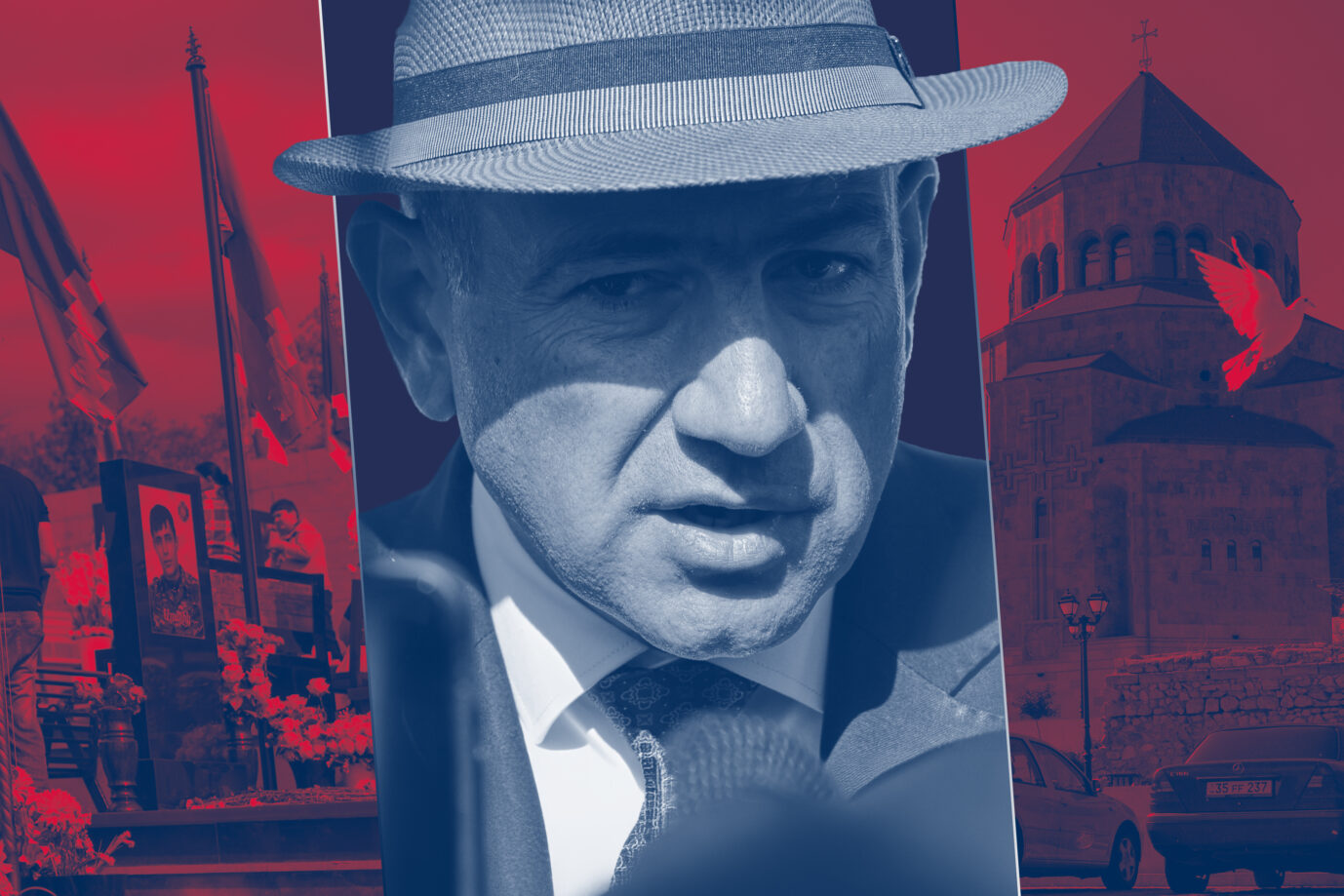
Armenia's Prime Minister Nikol Pashinyan won 49.8 percent in parliamentary elections as Azerbaijan demolishes Armenian churches in Nagorno-Karabakh, including the Protection of the Mother of God Cathedral.

Dimitris Papafotis
Dimitris Papafotis Editor in Chief
JUNE 10, 2026 AT 10:40 PM

According to Junge Freiheit, Pashinyan’s liberal “Civil Contract” party won 49.8 percent of the vote in parliamentary elections held on June 7, 2025. The vote took place against a backdrop of national defeat and despair following Armenia’s loss of Nagorno-Karabakh to Azerbaijan in 2023 and the subsequent mass expulsion of ethnic Armenians from the region.

While the result falls short of the two-thirds majority needed for constitutional changes, it provides Pashinyan with sufficient power to continue his controversial project of remaking Armenia as a Western-oriented liberal democracy, a vision that many Armenians view as tantamount to national surrender.

Cultural Destruction in Nagorno-Karabakh

As Pashinyan consolidates power in Yerevan, Azerbaijan has embarked on what amounts to cultural genocide in Nagorno-Karabakh. The Protection of the Mother of God Cathedral in Stepanakert, completed as recently as 2018 and built from massive blocks of tuff and basalt stone in traditional Armenian style, was demolished in early April 2026, according to satellite analysis by the Monument Watch heritage organization.

The timing of the demolition was particularly macabre, coinciding with the anniversary of the Armenian Genocide. The cathedral, measuring approximately 35 meters in length, 30 meters in width, and 35 meters in height, was comparable in dimensions to the Kaiser Wilhelm Memorial Church in Berlin.

The destruction extends far beyond this single structure. Junge Freiheit reports that at least six major Armenian churches have been razed, including St. Jacob’s Church in Stepanakert, the John the Baptist Church in Shusha, St. Sarkis Church in Tandzatap, St. Hambardzum Church in Berdzor near the Armenian border, and the Mother of God Church in Mekhakavan. Even cemeteries are being vandalized, according to Monument Watch.

Dozens of ornately decorated khachkars, the centuries-old Armenian cross-stones found throughout the Caucasus highlands, have reportedly been destroyed, though documentation is more difficult than for larger church structures visible on satellite imagery. Hundreds of artworks by Armenian artists in local museums are classified as “lost” according to a recent report by the Artsakh Union, a displaced persons organization.

Rewriting History

Perhaps most cynical is the treatment of Nagorno-Karabakh’s most iconic monument, the nine-meter-high tuff stone sculpture known as “We Are Our Mountains,” depicting “Tatik-Papik” or “Grandfather and Grandmother.” Rather than destroy the relatively well-known statue, Azerbaijani authorities have relabeled it as an “expression of Azerbaijan’s multicultural, ethnic and religious tolerance.” Western audiences may find this rhetoric disturbingly familiar.

Peace at Any Price

Nikol Pashinyan positions himself as a peace premier determined to eliminate the danger of renewed conflict with Azerbaijan following the 2023 war and loss of Nagorno-Karabakh. Many Armenians interpret this stance as national self-abandonment. In a parliamentary speech in late 2025, Pashinyan claimed that mistrust between Armenians and Azerbaijanis resulted from Soviet “divide and rule” policies, declaring that Armenia must free itself from the worldview of KGB agents, to the horror of many compatriots.

Pashinyan, who came to power through the 2018 “Velvet Revolution,” intends to use his new term to remove Armenia’s constitutional claim to Nagorno-Karabakh as demanded by Baku, hoping to achieve lasting peace with the neighbor. Yet many in Azerbaijan already refer to Armenia itself as “Western Azerbaijan.”

Democracy as Authoritarian Project

Constitutional changes require a two-thirds majority, meaning Pashinyan needs opposition support. The opposition consists of businessman Samvel Karapetyan’s “Strong Armenia” party with 23.28 percent and the “Armenia” alliance including the left-nationalist “Dashnaktsutyun” movement with 9.93 percent. Both favor a radically different Armenia than Pashinyan envisions, with close ties to Russia and a powerful national church.

If the conservative “Prosperous Armenia” party fails to clear the four-percent threshold, as currently appears likely, Pashinyan would secure the three-fifths majority needed to change electoral and party law, furthering his state transformation project.

The “True Armenia” Doctrine

Pashinyan’s 2025 doctrine of “True Armenia” attempts to reconcile attachment to the nation’s historical boundaries with the new reality of democracy. The 14-point manifesto declares that the homeland is the state, and those who love their homeland must strengthen this state.

Pashinyan has succeeded in democratizing his country, successfully combating party patronage and everyday corruption. Yet the price of his vision of a modern, Western-oriented Armenia may be the nation’s very substance and identity.

With information from Junge Freiheit

Share:
Dimitris Papafotis
Dimitris Papafotis

Dimitris Papafotis is the editor-in-chief of NewsFire.GR. He was born and raised in Athens. He studied at the Journalism Workshop (1991-1993). He currently lives in Pyrgos, Ilia, where he has been active in radio and various newspapers, while also maintaining his personal blog, Papafotis.gr.

According to Junge Freiheit, Pashinyan’s liberal “Civil Contract” party won 49.8 percent of the vote in parliamentary elections held on June 7, 2025. The vote took place against a backdrop of national defeat and despair following Armenia’s loss of Nagorno-Karabakh to Azerbaijan in 2023 and the subsequent mass expulsion of ethnic Armenians from the region.

While the result falls short of the two-thirds majority needed for constitutional changes, it provides Pashinyan with sufficient power to continue his controversial project of remaking Armenia as a Western-oriented liberal democracy, a vision that many Armenians view as tantamount to national surrender.

Cultural Destruction in Nagorno-Karabakh

As Pashinyan consolidates power in Yerevan, Azerbaijan has embarked on what amounts to cultural genocide in Nagorno-Karabakh. The Protection of the Mother of God Cathedral in Stepanakert, completed as recently as 2018 and built from massive blocks of tuff and basalt stone in traditional Armenian style, was demolished in early April 2026, according to satellite analysis by the Monument Watch heritage organization.

The timing of the demolition was particularly macabre, coinciding with the anniversary of the Armenian Genocide. The cathedral, measuring approximately 35 meters in length, 30 meters in width, and 35 meters in height, was comparable in dimensions to the Kaiser Wilhelm Memorial Church in Berlin.

The destruction extends far beyond this single structure. Junge Freiheit reports that at least six major Armenian churches have been razed, including St. Jacob’s Church in Stepanakert, the John the Baptist Church in Shusha, St. Sarkis Church in Tandzatap, St. Hambardzum Church in Berdzor near the Armenian border, and the Mother of God Church in Mekhakavan. Even cemeteries are being vandalized, according to Monument Watch.

Dozens of ornately decorated khachkars, the centuries-old Armenian cross-stones found throughout the Caucasus highlands, have reportedly been destroyed, though documentation is more difficult than for larger church structures visible on satellite imagery. Hundreds of artworks by Armenian artists in local museums are classified as “lost” according to a recent report by the Artsakh Union, a displaced persons organization.

Rewriting History

Perhaps most cynical is the treatment of Nagorno-Karabakh’s most iconic monument, the nine-meter-high tuff stone sculpture known as “We Are Our Mountains,” depicting “Tatik-Papik” or “Grandfather and Grandmother.” Rather than destroy the relatively well-known statue, Azerbaijani authorities have relabeled it as an “expression of Azerbaijan’s multicultural, ethnic and religious tolerance.” Western audiences may find this rhetoric disturbingly familiar.

Peace at Any Price

Nikol Pashinyan positions himself as a peace premier determined to eliminate the danger of renewed conflict with Azerbaijan following the 2023 war and loss of Nagorno-Karabakh. Many Armenians interpret this stance as national self-abandonment. In a parliamentary speech in late 2025, Pashinyan claimed that mistrust between Armenians and Azerbaijanis resulted from Soviet “divide and rule” policies, declaring that Armenia must free itself from the worldview of KGB agents, to the horror of many compatriots.

Pashinyan, who came to power through the 2018 “Velvet Revolution,” intends to use his new term to remove Armenia’s constitutional claim to Nagorno-Karabakh as demanded by Baku, hoping to achieve lasting peace with the neighbor. Yet many in Azerbaijan already refer to Armenia itself as “Western Azerbaijan.”

Democracy as Authoritarian Project

Constitutional changes require a two-thirds majority, meaning Pashinyan needs opposition support. The opposition consists of businessman Samvel Karapetyan’s “Strong Armenia” party with 23.28 percent and the “Armenia” alliance including the left-nationalist “Dashnaktsutyun” movement with 9.93 percent. Both favor a radically different Armenia than Pashinyan envisions, with close ties to Russia and a powerful national church.

If the conservative “Prosperous Armenia” party fails to clear the four-percent threshold, as currently appears likely, Pashinyan would secure the three-fifths majority needed to change electoral and party law, furthering his state transformation project.

The “True Armenia” Doctrine

Pashinyan’s 2025 doctrine of “True Armenia” attempts to reconcile attachment to the nation’s historical boundaries with the new reality of democracy. The 14-point manifesto declares that the homeland is the state, and those who love their homeland must strengthen this state.

Pashinyan has succeeded in democratizing his country, successfully combating party patronage and everyday corruption. Yet the price of his vision of a modern, Western-oriented Armenia may be the nation’s very substance and identity.

With information from Junge Freiheit