Necessary Cookies

Required for the site to function. Cannot be disabled.

Analytics Cookies

Help us understand how visitors interact with our site (Google Analytics via GTM).

Marketing Cookies

Used to track visitors and deliver personalised advertisements.

We use cookies to enhance your browsing experience and analyse site traffic. By clicking Accept All, you consent to our use of cookies. Privacy Policy
NewsFire Global
Home News Europe World Christianity Culture Wars Opinion Video
Information
About Us Authors Advertising Terms & Conditions Privacy Policy Contact
R2B Media
R2B NEWSFIRE.GR PAPAFOTIS.GR THRACTION HELLENIC CONSERVATIVES RIGHT2THEBONE YT
News World

Despite Ceasefire: US and Iran Exchange New Attacks in Gulf Region

The United States and Iran exchanged military strikes in the Gulf region despite ongoing ceasefire negotiations, with the U.S. targeting Iranian defense sites after Tehran downed an Apache helicopter.

Newsroom
Newsroom Staff Writer
JUNE 10, 2026 AT 2:00 PM

According to Nius, the exchange began after Iran shot down a US military Apache attack helicopter off the coast of Oman. In response, American forces launched strikes against Iranian air defense installations, ground control stations, and radar facilities near the strategic Strait of Hormuz, as confirmed by Central Command on social media.

Tehran retaliated swiftly, with Iranian media reporting attacks on US military bases across the Gulf region and in Jordan using ballistic missiles. Kuwait’s air defense systems were activated in response to the threat, while air raid sirens sounded once again in Bahrain.

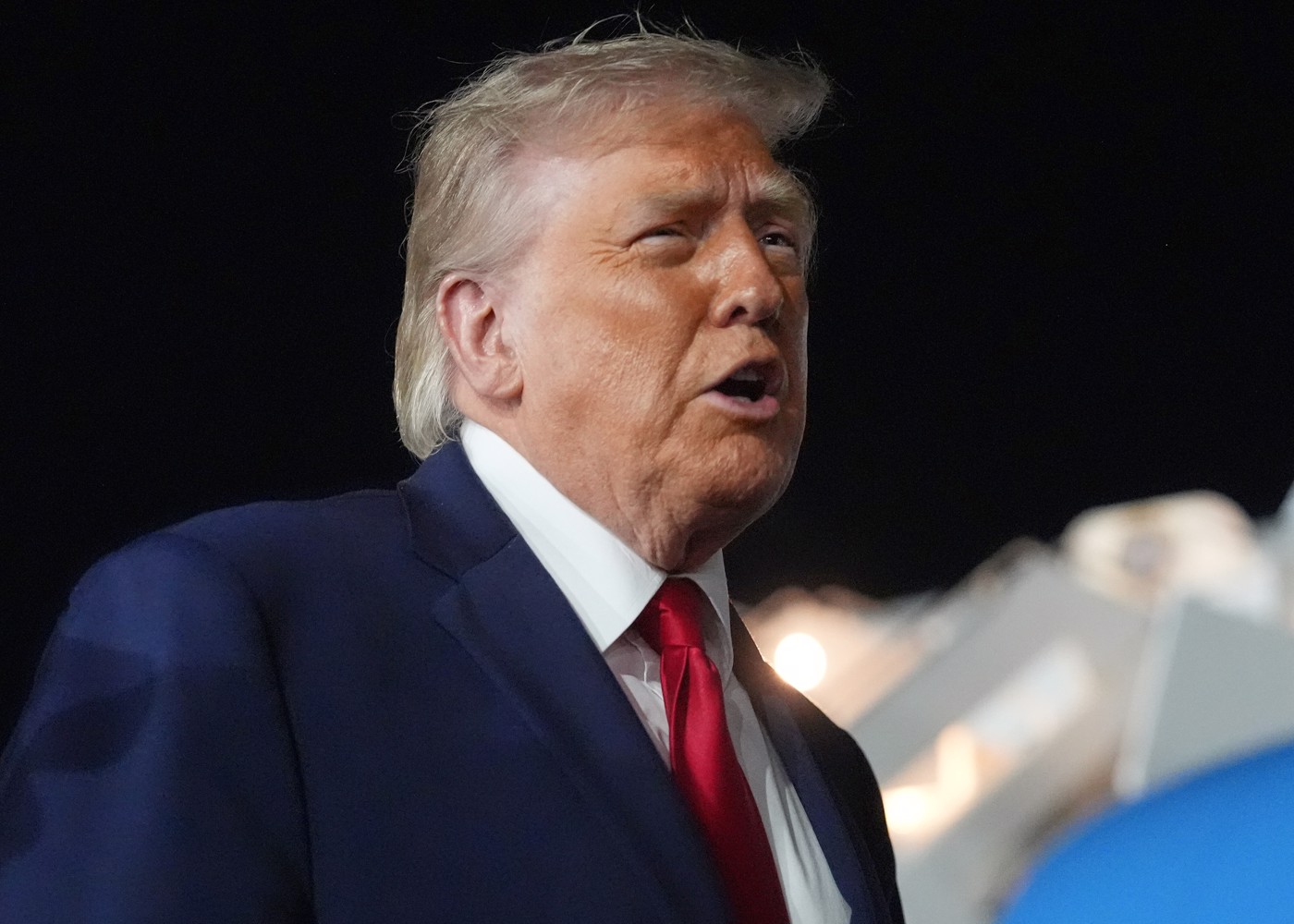
The US military characterized its action as a proportionate response to what it called Iranian aggression. President Donald Trump had previously blamed Iran for downing the helicopter and promised retaliation, later describing the American response as very strong and very powerful. Central Command stated that US forces remain prepared to defend against unjustified Iranian aggression.

Three Waves of Strikes Hit Iranian Territory

American media outlets reported that the strikes on Iran occurred in three distinct waves, targeting approximately 20 locations. Iranian sources documented explosions in the city of Sirik along the Strait of Hormuz, on Qeshm Island, and near the major port city of Bandar Abbas. The Iranian news agency Tasnim reported that two water tanks in a district of Sirik were struck, disrupting local drinking water supplies.

While Washington framed its actions as self-defense, Iran’s military dismissed this justification as flimsy. Iranian Foreign Minister Abbas Araghtschi issued an immediate threat of counterstrikes following the bombardment, writing on social media that Iran’s powerful armed forces would not leave any attack or threat unanswered. He warned the United States to leave the region if it wanted safety, invoking the tragic fate of previous invaders in Persian Gulf history.

Revolutionary Guards Launch Drone and Missile Attacks

Shortly after Araghtschi’s statement, Iran’s Revolutionary Guards—the elite military force of the Islamic Republic—carried out a drone attack on the US Navy’s regional headquarters in Bahrain, according to Iranian media reports. A base in Jordan was also targeted in the operation. The Arabic broadcaster Al Jazeera cited the Jordanian military as confirming that five Iranian missiles had been intercepted. These claims could not be independently verified at the time of reporting.

Bahrain, like Kuwait and other Gulf states, has repeatedly come under Iranian fire in recent escalations. These nations host American military installations located just a few hundred kilometers from Iranian territory, making them vulnerable targets in the ongoing conflict.

Trump Claims Agreement Still Viable

Despite the renewed hostilities, President Trump told ABC News in a telephone interview that there exists a very good agreement with Iran that will likely hold. The comment appeared to reference the difficult negotiations currently underway between Washington and Tehran regarding a potential end to the broader conflict.

The latest exchange of fire underscores the fragility of diplomatic efforts in the region and raises serious questions about whether any ceasefire arrangements can withstand the mutual distrust and rapid escalation cycles that continue to define US-Iran relations. The Strait of Hormuz remains a critical flashpoint, with both sides demonstrating their willingness to use force in one of the world’s most important maritime chokepoints.

With information from Nius

Share:
Newsroom
Newsroom

NewsFire.GR is a website created with the hope that the media will rediscover their true identity, which is none other than informing the public about the real stakes of our times. Journalism and political analysis must hold power accountable, not serve it.

According to Nius, the exchange began after Iran shot down a US military Apache attack helicopter off the coast of Oman. In response, American forces launched strikes against Iranian air defense installations, ground control stations, and radar facilities near the strategic Strait of Hormuz, as confirmed by Central Command on social media.

Tehran retaliated swiftly, with Iranian media reporting attacks on US military bases across the Gulf region and in Jordan using ballistic missiles. Kuwait’s air defense systems were activated in response to the threat, while air raid sirens sounded once again in Bahrain.

The US military characterized its action as a proportionate response to what it called Iranian aggression. President Donald Trump had previously blamed Iran for downing the helicopter and promised retaliation, later describing the American response as very strong and very powerful. Central Command stated that US forces remain prepared to defend against unjustified Iranian aggression.

Three Waves of Strikes Hit Iranian Territory

American media outlets reported that the strikes on Iran occurred in three distinct waves, targeting approximately 20 locations. Iranian sources documented explosions in the city of Sirik along the Strait of Hormuz, on Qeshm Island, and near the major port city of Bandar Abbas. The Iranian news agency Tasnim reported that two water tanks in a district of Sirik were struck, disrupting local drinking water supplies.

While Washington framed its actions as self-defense, Iran’s military dismissed this justification as flimsy. Iranian Foreign Minister Abbas Araghtschi issued an immediate threat of counterstrikes following the bombardment, writing on social media that Iran’s powerful armed forces would not leave any attack or threat unanswered. He warned the United States to leave the region if it wanted safety, invoking the tragic fate of previous invaders in Persian Gulf history.

Revolutionary Guards Launch Drone and Missile Attacks

Shortly after Araghtschi’s statement, Iran’s Revolutionary Guards—the elite military force of the Islamic Republic—carried out a drone attack on the US Navy’s regional headquarters in Bahrain, according to Iranian media reports. A base in Jordan was also targeted in the operation. The Arabic broadcaster Al Jazeera cited the Jordanian military as confirming that five Iranian missiles had been intercepted. These claims could not be independently verified at the time of reporting.

Bahrain, like Kuwait and other Gulf states, has repeatedly come under Iranian fire in recent escalations. These nations host American military installations located just a few hundred kilometers from Iranian territory, making them vulnerable targets in the ongoing conflict.

Trump Claims Agreement Still Viable

Despite the renewed hostilities, President Trump told ABC News in a telephone interview that there exists a very good agreement with Iran that will likely hold. The comment appeared to reference the difficult negotiations currently underway between Washington and Tehran regarding a potential end to the broader conflict.

The latest exchange of fire underscores the fragility of diplomatic efforts in the region and raises serious questions about whether any ceasefire arrangements can withstand the mutual distrust and rapid escalation cycles that continue to define US-Iran relations. The Strait of Hormuz remains a critical flashpoint, with both sides demonstrating their willingness to use force in one of the world’s most important maritime chokepoints.

With information from Nius

