Necessary Cookies

Required for the site to function. Cannot be disabled.

Analytics Cookies

Help us understand how visitors interact with our site (Google Analytics via GTM).

Marketing Cookies

Used to track visitors and deliver personalised advertisements.

We use cookies to enhance your browsing experience and analyse site traffic. By clicking Accept All, you consent to our use of cookies. Privacy Policy
NewsFire Global
Home News Europe World Christianity Culture Wars Opinion Video
Information
About Us Authors Advertising Terms & Conditions Privacy Policy Contact
R2B Media
R2B NEWSFIRE.GR PAPAFOTIS.GR THRACTION HELLENIC CONSERVATIVES RIGHT2THEBONE YT
News Europe

France Mocked Germans Before Fighter Jet Project Collapse

The Franco-German-Spanish FCAS fighter jet program has collapsed after years of disputes between Dassault and Airbus, dealing a major blow to European defense cooperation.

Dimitris Papafotis
Dimitris Papafotis Editor in Chief
JUNE 9, 2026 AT 2:40 PM

According to Nius, the Future Combat Air System project fell apart amid irreconcilable differences between French aircraft manufacturer Dassault and Airbus over responsibilities, patents, and leadership control of what was supposed to become the cornerstone of European air defense.

FCAS was designed as an integrated system combining next-generation fighter aircraft, unmanned drones, and digitally networked weapons systems. The program had been viewed as one of the most critical Franco-German defense initiatives in recent history, with implications reaching far beyond bilateral relations.

French Defense Chief Dismissed German Concerns

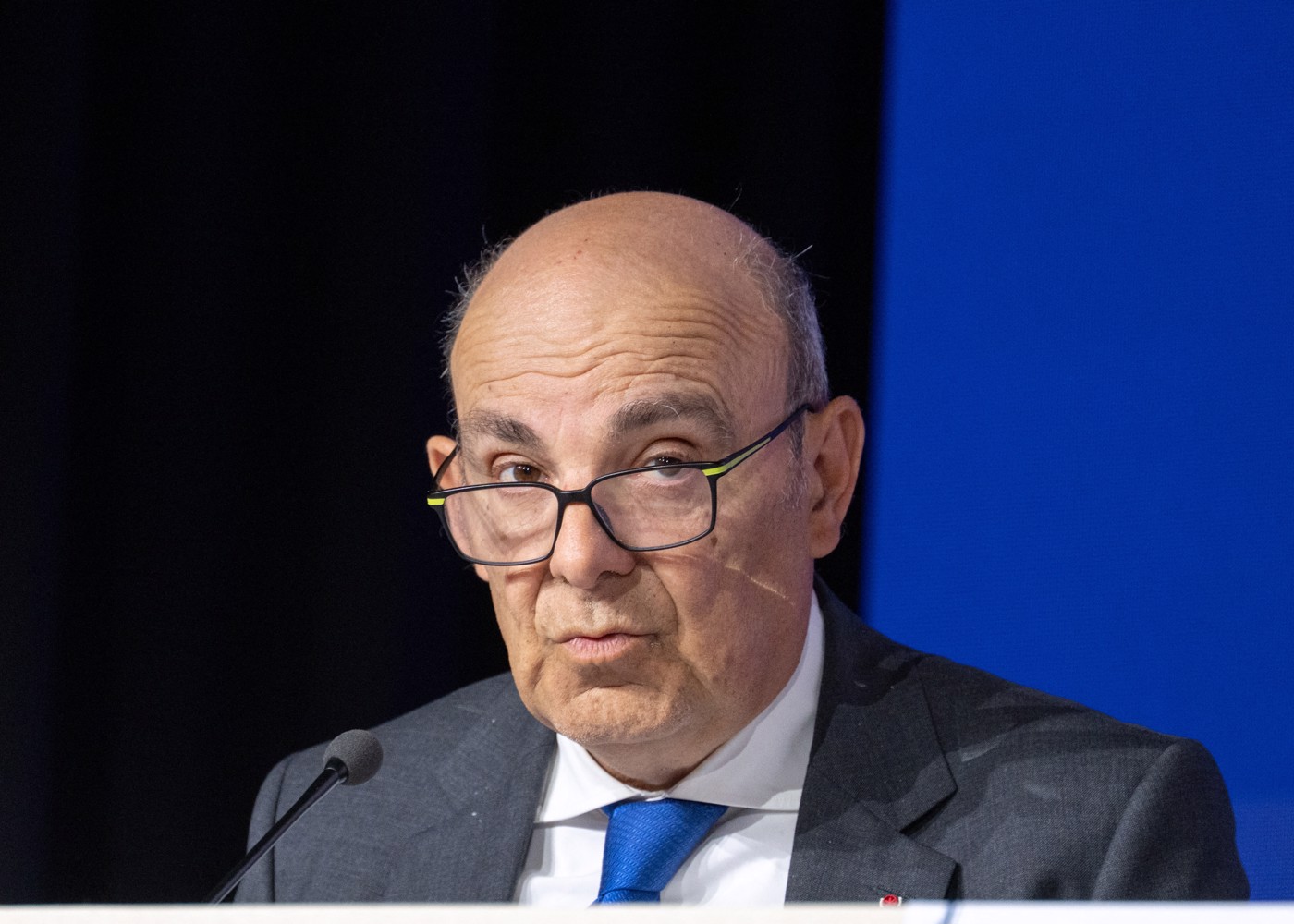
The failure should come as no surprise to close observers of the program. Éric Trappier, head of French defense giant Dassault Aviation, revealed the depth of the rift last year when he responded dismissively to German criticism of French dominance in the project.

Trappier made clear that France was fully prepared to proceed without Germany if necessary. He pointed to the Rafale fighter jet as evidence of France’s capability to develop advanced combat aircraft independently, after previous European cooperation efforts had similarly fallen apart.

The Dassault chief’s earlier statements now appear prophetic. What began as a flagship example of European industrial and defense integration has instead become a symbol of failed Franco-German cooperation and the practical limits of continental defense ambitions.

Strategic Implications for European Defense

The collapse of FCAS leaves Germany without a clear path forward for next-generation air combat capabilities. France, meanwhile, appears positioned to continue development on its own terms, potentially partnering with other nations outside the failed trilateral framework.

The breakdown also raises questions about Europe’s ability to compete with American and Chinese defense manufacturers in advanced weapons systems, and whether political disagreements will continue to undermine continental strategic autonomy.

With information from Nius

Share:
Dimitris Papafotis
Dimitris Papafotis

Dimitris Papafotis is the editor-in-chief of NewsFire.GR. He was born and raised in Athens. He studied at the Journalism Workshop (1991-1993). He currently lives in Pyrgos, Ilia, where he has been active in radio and various newspapers, while also maintaining his personal blog, Papafotis.gr.

According to Nius, the Future Combat Air System project fell apart amid irreconcilable differences between French aircraft manufacturer Dassault and Airbus over responsibilities, patents, and leadership control of what was supposed to become the cornerstone of European air defense.

FCAS was designed as an integrated system combining next-generation fighter aircraft, unmanned drones, and digitally networked weapons systems. The program had been viewed as one of the most critical Franco-German defense initiatives in recent history, with implications reaching far beyond bilateral relations.

French Defense Chief Dismissed German Concerns

The failure should come as no surprise to close observers of the program. Éric Trappier, head of French defense giant Dassault Aviation, revealed the depth of the rift last year when he responded dismissively to German criticism of French dominance in the project.

Trappier made clear that France was fully prepared to proceed without Germany if necessary. He pointed to the Rafale fighter jet as evidence of France’s capability to develop advanced combat aircraft independently, after previous European cooperation efforts had similarly fallen apart.

The Dassault chief’s earlier statements now appear prophetic. What began as a flagship example of European industrial and defense integration has instead become a symbol of failed Franco-German cooperation and the practical limits of continental defense ambitions.

Strategic Implications for European Defense

The collapse of FCAS leaves Germany without a clear path forward for next-generation air combat capabilities. France, meanwhile, appears positioned to continue development on its own terms, potentially partnering with other nations outside the failed trilateral framework.

The breakdown also raises questions about Europe’s ability to compete with American and Chinese defense manufacturers in advanced weapons systems, and whether political disagreements will continue to undermine continental strategic autonomy.

With information from Nius

