Necessary Cookies

Required for the site to function. Cannot be disabled.

Analytics Cookies

Help us understand how visitors interact with our site (Google Analytics via GTM).

Marketing Cookies

Used to track visitors and deliver personalised advertisements.

We use cookies to enhance your browsing experience and analyse site traffic. By clicking Accept All, you consent to our use of cookies. Privacy Policy
NewsFire Global
Home News Europe World Christianity Culture Wars Opinion Video
Information
About Us Authors Advertising Terms & Conditions Privacy Policy Contact
R2B Media
R2B NEWSFIRE.GR PAPAFOTIS.GR THRACTION HELLENIC CONSERVATIVES RIGHT2THEBONE YT
News World

US Pushes Iran Talks Despite Israeli Opposition

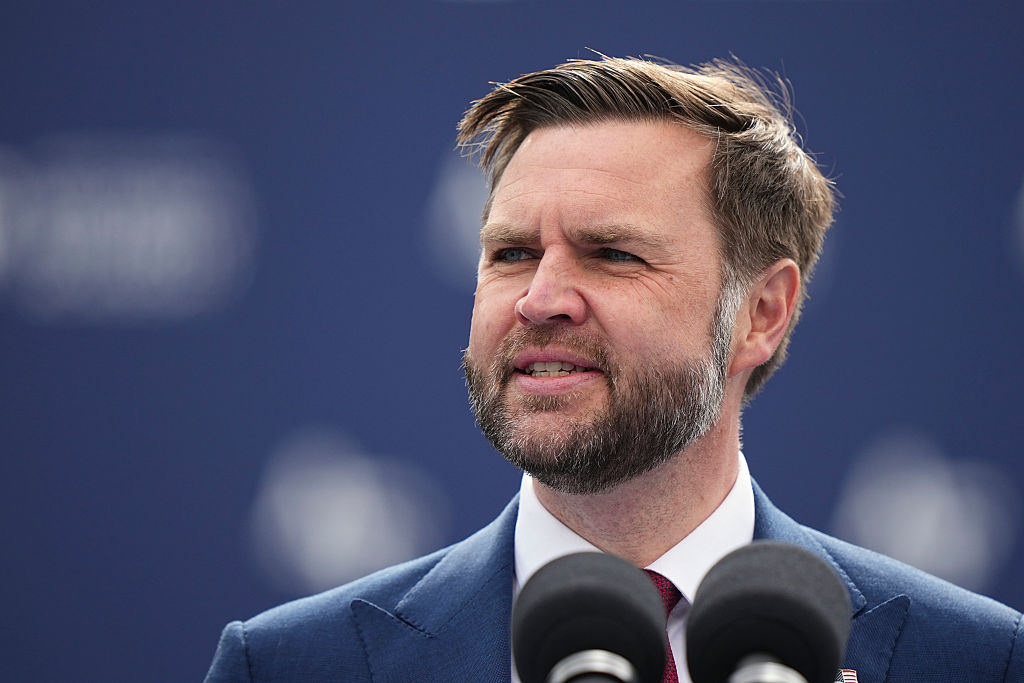
Vice President JD Vance confirmed the U.S. will pursue a nuclear deal with Iran despite Israeli opposition, saying it serves American interests to prevent Tehran from acquiring nuclear weapons.

Newsroom
Newsroom Staff Writer
JUNE 9, 2026 AT 2:00 PM

JD Vance told Fox News that Israel may not like that but emphasized the Trump administration intends to press ahead with diplomatic efforts aimed at preventing Tehran from acquiring nuclear weapons, according to Brussels Signal.

The vice president’s remarks come amid a fragile pause in direct hostilities between Israel and Iran following their first exchange of strikes since an April ceasefire. The latest flare-up erupted after renewed Israeli airstrikes targeted southern Beirut, prompting missile retaliation from Iran before both sides backed down.

Vance acknowledged that American and Israeli interests do not always align perfectly. While the two nations share many strategic goals, he noted, there are occasions when their objectives diverge. He made clear that Washington’s paramount concern remains ensuring Iran never develops nuclear capability, while Israel pursues its own regional security aims.

President Donald Trump personally pressed Israeli Prime Minister Benjamin Netanyahu to halt the recent round of strikes, which followed Israeli bombing operations in southern Beirut. Iran regards attacks on the Lebanese capital as a red line and responded with missile strikes on Israel before both nations suspended operations.

Netanyahu confirmed Israel had ceased attacks on Iran but stopped short of declaring a formal ceasefire. Tehran likewise suspended its operations while warning it would resume hostilities if Israeli strikes on southern Lebanon continue.

Any nuclear agreement would include long-term verification mechanisms to ensure Iranian compliance, Vance said. He described reaching a deal as challenging but achievable, crediting Trump with positioning the United States advantageously in negotiations. The vice president suggested Iran no longer wishes to continue the conflict and is now bringing substantive proposals to the negotiating table.

Amir Saeid Iravani, Iran’s ambassador to the United Nations, confirmed that diplomatic efforts are ongoing but cautioned that no final text has been agreed upon, according to the Iranian news agency Tasnim.

The roughly three-month conflict has sent shockwaves through global energy markets. Concerns over shipping security through the Strait of Hormuz have fueled anxiety about potential disruptions to international oil supplies.

With information from Brussels Signal

Share:
Newsroom
Newsroom

NewsFire.GR is a website created with the hope that the media will rediscover their true identity, which is none other than informing the public about the real stakes of our times. Journalism and political analysis must hold power accountable, not serve it.

JD Vance told Fox News that Israel may not like that but emphasized the Trump administration intends to press ahead with diplomatic efforts aimed at preventing Tehran from acquiring nuclear weapons, according to Brussels Signal.

The vice president’s remarks come amid a fragile pause in direct hostilities between Israel and Iran following their first exchange of strikes since an April ceasefire. The latest flare-up erupted after renewed Israeli airstrikes targeted southern Beirut, prompting missile retaliation from Iran before both sides backed down.

Vance acknowledged that American and Israeli interests do not always align perfectly. While the two nations share many strategic goals, he noted, there are occasions when their objectives diverge. He made clear that Washington’s paramount concern remains ensuring Iran never develops nuclear capability, while Israel pursues its own regional security aims.

President Donald Trump personally pressed Israeli Prime Minister Benjamin Netanyahu to halt the recent round of strikes, which followed Israeli bombing operations in southern Beirut. Iran regards attacks on the Lebanese capital as a red line and responded with missile strikes on Israel before both nations suspended operations.

Netanyahu confirmed Israel had ceased attacks on Iran but stopped short of declaring a formal ceasefire. Tehran likewise suspended its operations while warning it would resume hostilities if Israeli strikes on southern Lebanon continue.

Any nuclear agreement would include long-term verification mechanisms to ensure Iranian compliance, Vance said. He described reaching a deal as challenging but achievable, crediting Trump with positioning the United States advantageously in negotiations. The vice president suggested Iran no longer wishes to continue the conflict and is now bringing substantive proposals to the negotiating table.

Amir Saeid Iravani, Iran’s ambassador to the United Nations, confirmed that diplomatic efforts are ongoing but cautioned that no final text has been agreed upon, according to the Iranian news agency Tasnim.

The roughly three-month conflict has sent shockwaves through global energy markets. Concerns over shipping security through the Strait of Hormuz have fueled anxiety about potential disruptions to international oil supplies.

With information from Brussels Signal

