Left-Wing Media Rage: How JUNGE FREIHEIT Shaped Culture Wars
Mainstream German media used citations of conservative newspaper Junge Freiheit to discredit musicians in the 1990s and 2000s, ending careers like that of Josef Maria Klumb.
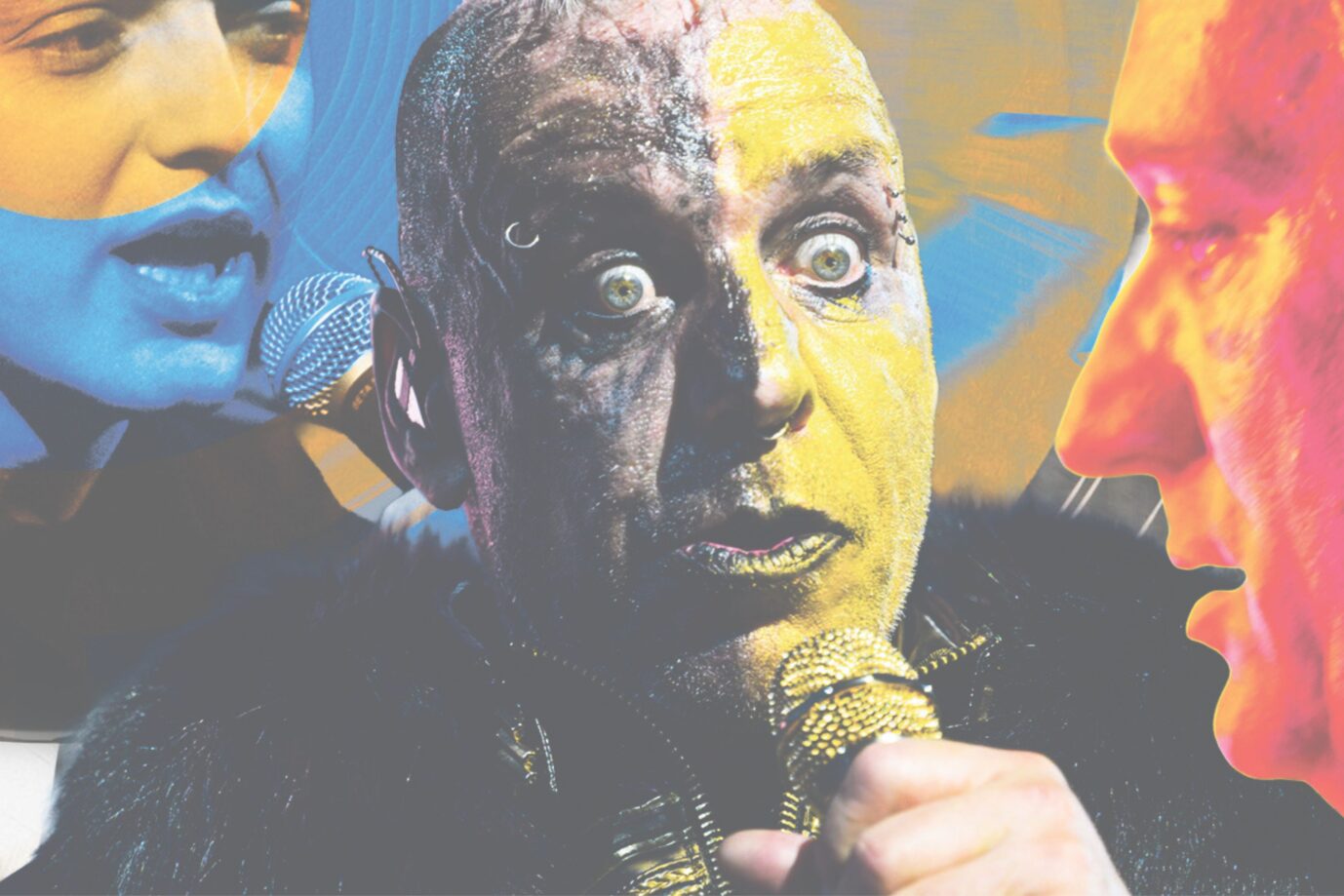

For decades, the German newspaper Junge Freiheit has found itself at the center of controversies surrounding rock and pop music, with mainstream media frequently citing the outlet when attempting to discredit bands deemed politically suspect.
According to Junge Freiheit, anyone reading established German press coverage in the late 1990s and early 2000s would have encountered the newspaper’s name not primarily in political coverage, but in articles about pop music. Dark Wave, Neofolk, and even the industrial metal band Rammstein regularly triggered references to the conservative outlet.
While Rammstein today faces criticism over sexual abuse allegations, left-wing commentators in publications like Jungle World and Der Spiegel once feared the East Berlin shock rockers were smuggling fascist aesthetics into German bedrooms through their use of clips from Leni Riefenstahl’s Olympia films. Left-wing journalists Daniel Pagórek and DJ Kersten cited Thorsten Hinz as evidence for their thesis after he described the band in Junge Freiheit as a symptom of an aesthetic paradigm shift signaling the end of a culture built on social science and moral superiority.
Career Destroyed After Junge Freiheit Interview
The consequences proved severe for musicians associated with the outlet. Josef Maria Klumb, singer of the band Weissglut, was fired by his Sony subsidiary label in January 1999 after Der Spiegel discovered that his previous band, Forthcoming Fire, had given an interview to Junge Freiheit in 1996.
Klumb’s statements in that interview, expressing belief in the spiritual culture of a defamed nation that should no longer be suppressed, prompted social scientist Alfred Schobert to declare that while he was normally cautious with the term Nazi, in this case one really had to speak of a Nazi. Klumb’s mainstream career ended before it began, and he founded the Neofolk/Industrial band Von Thronstahl instead, which achieved underground success.
Leftist Press Attacks Patriotic Song
In June 2004, Berlin techno DJ Paul van Dyk and Wolfsheim singer Peter Heppner released the song “Wir sind wir” (We Are We), reportedly inspired by the film “The Miracle of Bern.” The music video featured historical footage of destroyed Berlin, rubble women rebuilding, and the 1961 wall construction, with lyrics reflecting on German division and survival.
The left-wing press reacted with disgust, writing of German nationalism and historical amnesia. The taz newspaper suggested Junge Freiheit was secretly pulling strings, having read Gramsci in the 1990s and discussed carrying right-wing ideas into the mainstream via pop culture. Georg Diez in the Frankfurter Allgemeine Sonntagszeitung wrote of stomach pains when thinking of the music video, sensing something strangely smacking about the song, something shortchanged and greedy and dissatisfied.
Lines referencing East German experience drew particular ire. Diez commented on lyrics about 40 years of building from ashes to gold with the dismissive observation that this represented German victim pain, not the pride of the liberated. As Junge Freiheit reports, such open and honest communication of complete lack of empathy toward the experiences of former East German citizens is rarely seen.
Conservative Outlet Defends Normal Pride
Junge Freiheit responded in July 2004 with an article titled “The Provocation of the Normal,” expressing both pleasure and amusement at the debate. The outlet noted that many Germans lack self-worth and fear what the future will bring, making a song like “Wir sind wir” encouraging. The newspaper even printed the complete lyrics.
The pattern continued in 2013 when the debate surrounding Tyrolean rock band Frei.Wild became a front-page story for Junge Freiheit, demonstrating the ongoing role of the conservative newspaper in German pop music controversies.
With information from Junge Freiheit