Necessary Cookies

Required for the site to function. Cannot be disabled.

Analytics Cookies

Help us understand how visitors interact with our site (Google Analytics via GTM).

Marketing Cookies

Used to track visitors and deliver personalised advertisements.

We use cookies to enhance your browsing experience and analyse site traffic. By clicking Accept All, you consent to our use of cookies. Privacy Policy
NewsFire Global
Home News Europe World Christianity Culture Wars Opinion Video
Information
About Us Authors Advertising Terms & Conditions Privacy Policy Contact
R2B Media
R2B NEWSFIRE.GR PAPAFOTIS.GR THRACTION HELLENIC CONSERVATIVES RIGHT2THEBONE YT
News World

Trump to Appeal Ruling Granting Importers Tariff Refunds

The Trump administration is appealing a federal judge's order allowing all companies to claim refunds from invalidated tariffs after $20.6 billion has already been disbursed.
Stefanos Banos
Stefanos Banos Staff Writer
MAY 31, 2026 AT 9:15 AM

Businesses across America have begun receiving tariff refunds following the Supreme Court’s decision that President Donald Trump overstepped constitutional boundaries when imposing heightened import taxes on goods from nearly every foreign nation, according to New York Post.

The refund process now faces potential disruption after the Trump administration announced Friday its intention to appeal a federal judge’s order permitting all companies that paid the invalidated duties to claim refunds, not merely those that initiated lawsuits.

Before the Department of Justice notified the court of its appeal plans, the refund mechanism administered by U.S. Customs and Border Protection operated with relative efficiency. Bank accounts of the first successful claimants received refunds on May 12, approximately three weeks after importers and their customs brokers gained the ability to submit applications, CBP confirmed.

As of May 22, applications seeking refunds totaling $85 billion had been accepted for processing, representing more than half the $166 billion the agency calculated the government owes companies that paid tariffs on imported merchandise, CBP disclosed in a recent legal filing. The agency reported it had already instructed the Treasury Department to disburse $20.6 billion in refunds.

The administration disclosed its appeal strategy while challenging a directive from Judge Richard K. Eaton requiring CBP Commissioner Rodney Scott to appear before the U.S. Court of International Trade on June 9. The judge seeks clarity on how long complete repayment to all 330,000 potentially eligible importers would require and whether court intervention to accelerate the timeline is warranted.

Justice Department attorneys requested Eaton permit Scott’s deputies to testify instead, contending that the CBP chief, as a senior presidential appointee, cannot be compelled to appear. They further argued Eaton exceeded judicial authority by ruling the Supreme Court’s decision entitled all importers of record to refunds.

The government lawyers indicated their intent to appeal the universal injunction while maintaining that CBP would proceed as expeditiously as possible to process refunds through a phased approach for businesses that filed legal complaints asserting refund rights.

Eaton countered that direct testimony from Scott is necessary to determine whether the government will return all funds collected between April 2025, when Trump imposed what he termed reciprocal tariffs on most nations, and the Supreme Court’s late February ruling.

Phased Refund Implementation

Customs and Border Protection is managing refund claims in phases, prioritizing payments not finalized before the Supreme Court delivered its 6-3 decision. CBP officials indicated these later estimated payments are simpler to handle because they remain open within the system.

In Friday’s submission, the Justice Department stated the agency needed technological enhancements to its refund portal and importer-specific orders in each lawsuit businesses filed before recalculating final tax bills for older liquidated accounts.

More than 1,000 companies pursued litigation in the trade court to recover tariff costs. The number of importers who paid tariffs without filing suit and might be denied refunds if an appeal of Eaton’s comprehensive order succeeds remains unclear.

Ryan Majerus, a partner on the international trade team at law firm King & Spaulding, estimated those affected represent a fraction of total payers of the defunct duties. An appeal would likely impact only imported merchandise held in the U.S. for 314 days, when CBP issues official duty determinations, he noted.

Barry Appleton, a professor at New York Law School and managing partner of Appleton & Associates International Lawyers, warned that filing an appeal could decelerate the refund process even though the government already lost before the Supreme Court. Freezing the refund mechanism during litigation could secure months of delay, with every month representing continued Treasury retention of the funds, Appleton observed.

Retail Giants Promise Price Reductions

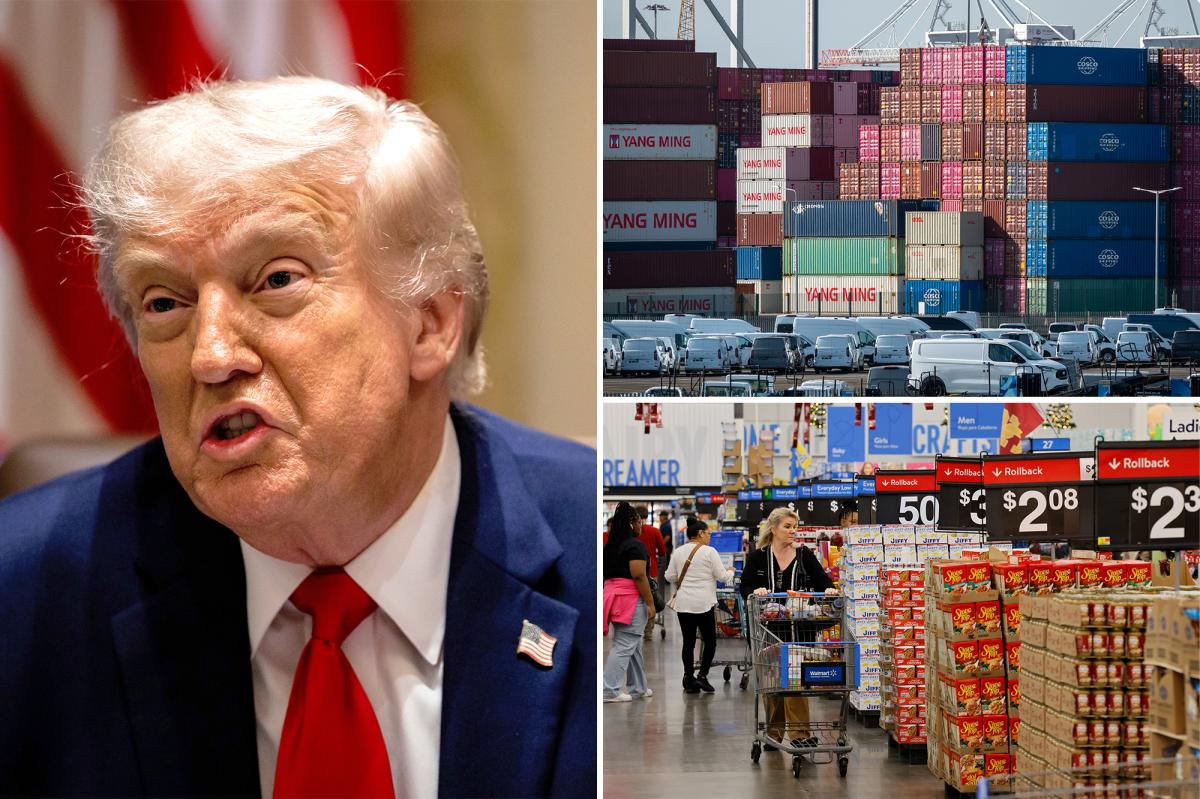
Several major retail chains announced plans to utilize tariff refunds for customer price reductions on select items. Walmart Chief Financial Officer John David Rainey informed analysts last week the company would implement price cuts despite the maximum potential refund representing less than half of 1% of Walmart’s annual U.S. sales.

Costco intends to return tariff costs passed to members, CEO Ron Vachris confirmed.

With information from New York Post

Share:
Stefanos Banos
Stefanos Banos

Stefanos Banos was born in Piraeus and is an editor at NewsFire.GR, specializing in political analysis and international relations. He graduated from the Department of Communication and Media at the University of Bremen in Germany, where he also completed his Master of Arts in Communication and Media Studies. Married to Zoi, he is a proud father of three boys.

Businesses across America have begun receiving tariff refunds following the Supreme Court’s decision that President Donald Trump overstepped constitutional boundaries when imposing heightened import taxes on goods from nearly every foreign nation, according to New York Post.

The refund process now faces potential disruption after the Trump administration announced Friday its intention to appeal a federal judge’s order permitting all companies that paid the invalidated duties to claim refunds, not merely those that initiated lawsuits.

Before the Department of Justice notified the court of its appeal plans, the refund mechanism administered by U.S. Customs and Border Protection operated with relative efficiency. Bank accounts of the first successful claimants received refunds on May 12, approximately three weeks after importers and their customs brokers gained the ability to submit applications, CBP confirmed.

As of May 22, applications seeking refunds totaling $85 billion had been accepted for processing, representing more than half the $166 billion the agency calculated the government owes companies that paid tariffs on imported merchandise, CBP disclosed in a recent legal filing. The agency reported it had already instructed the Treasury Department to disburse $20.6 billion in refunds.

The administration disclosed its appeal strategy while challenging a directive from Judge Richard K. Eaton requiring CBP Commissioner Rodney Scott to appear before the U.S. Court of International Trade on June 9. The judge seeks clarity on how long complete repayment to all 330,000 potentially eligible importers would require and whether court intervention to accelerate the timeline is warranted.

Justice Department attorneys requested Eaton permit Scott’s deputies to testify instead, contending that the CBP chief, as a senior presidential appointee, cannot be compelled to appear. They further argued Eaton exceeded judicial authority by ruling the Supreme Court’s decision entitled all importers of record to refunds.

The government lawyers indicated their intent to appeal the universal injunction while maintaining that CBP would proceed as expeditiously as possible to process refunds through a phased approach for businesses that filed legal complaints asserting refund rights.

Eaton countered that direct testimony from Scott is necessary to determine whether the government will return all funds collected between April 2025, when Trump imposed what he termed reciprocal tariffs on most nations, and the Supreme Court’s late February ruling.

Phased Refund Implementation

Customs and Border Protection is managing refund claims in phases, prioritizing payments not finalized before the Supreme Court delivered its 6-3 decision. CBP officials indicated these later estimated payments are simpler to handle because they remain open within the system.

In Friday’s submission, the Justice Department stated the agency needed technological enhancements to its refund portal and importer-specific orders in each lawsuit businesses filed before recalculating final tax bills for older liquidated accounts.

More than 1,000 companies pursued litigation in the trade court to recover tariff costs. The number of importers who paid tariffs without filing suit and might be denied refunds if an appeal of Eaton’s comprehensive order succeeds remains unclear.

Ryan Majerus, a partner on the international trade team at law firm King & Spaulding, estimated those affected represent a fraction of total payers of the defunct duties. An appeal would likely impact only imported merchandise held in the U.S. for 314 days, when CBP issues official duty determinations, he noted.

Barry Appleton, a professor at New York Law School and managing partner of Appleton & Associates International Lawyers, warned that filing an appeal could decelerate the refund process even though the government already lost before the Supreme Court. Freezing the refund mechanism during litigation could secure months of delay, with every month representing continued Treasury retention of the funds, Appleton observed.

Retail Giants Promise Price Reductions

Several major retail chains announced plans to utilize tariff refunds for customer price reductions on select items. Walmart Chief Financial Officer John David Rainey informed analysts last week the company would implement price cuts despite the maximum potential refund representing less than half of 1% of Walmart’s annual U.S. sales.

Costco intends to return tariff costs passed to members, CEO Ron Vachris confirmed.

With information from New York Post

