
French Church Alarmed by Bill Threatening Seal of Confession
The Catholic Church in France opposes a proposed law requiring priests to report child abuse revealed in confession, arguing it violates legally recognized professional secrecy.
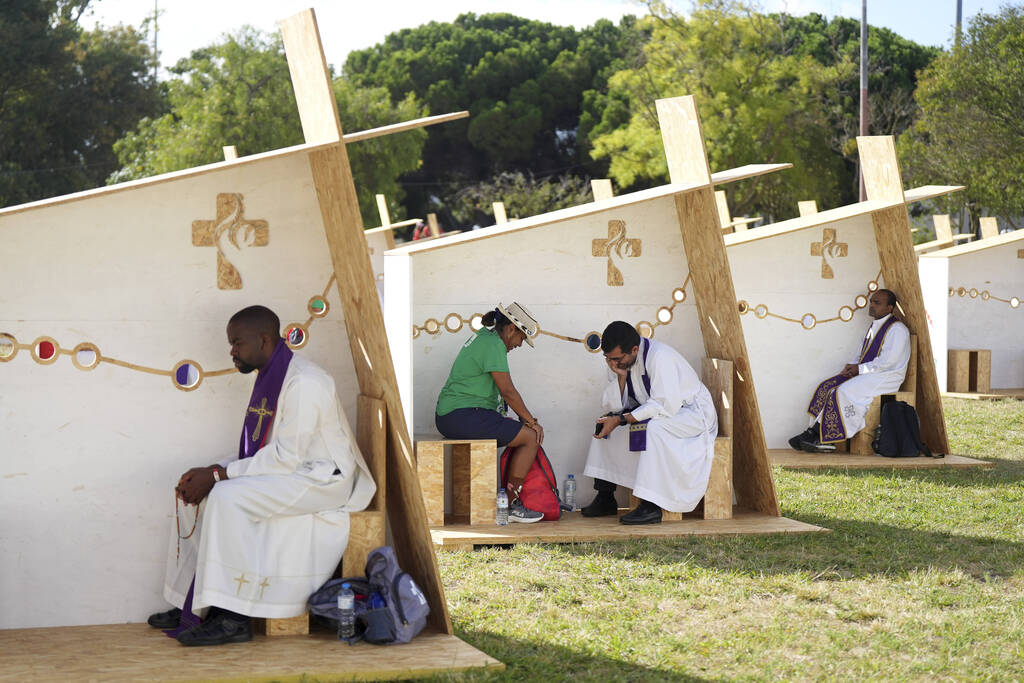

According to Valeurs Actuelles, the legislative proposal is scheduled for examination on Monday, June 1st, presented under the parliamentary niche of the Ensemble pour la République (EPR) group, led by Gabriel Attal. The bill, officially titled a proposal to “protect children and combat violence in schools,” has provoked serious concern among French Catholic bishops.
The Conference of Bishops of France issued a statement expressing what it termed “great concern” over the legislation, obtained by Le Figaro. While Church leaders acknowledge the need to prevent and combat violence in educational settings, they argue that certain provisions threaten fundamental freedoms related to religious practice.
The most contentious element appears in Article 9 of the proposal, which would require ministers of worship to report violence committed against minors, even when such information is revealed during the exercise of their ministry. The text explicitly states that no “seal of confession” could override this reporting obligation.
Legal Precedent Recognizes Professional Secrecy
In their statement, the bishops strategically emphasized the concept of “professional secrecy” rather than specifically invoking the “seal of confession,” noting that this principle is recognized under French law. This legal recognition was confirmed in a landmark case involving Monsignor Pierre Pican, Bishop of Bayeux and Lisieux.
Pican was indicted in January 2000 for failing to report sexual assaults committed by Father René Bissey. In 2002, France’s highest court, the Cour de cassation, affirmed the obligation imposed on ministers of worship to maintain secrecy regarding facts learned in the exercise of their ministry. Pican ultimately received a three-month suspended sentence, but only because the information he possessed did not fall within the framework of sacramental confession.
Within Catholic doctrine, the seal of confession is considered absolutely inviolable. A priest who violates it faces automatic excommunication. Church officials maintain they do not seek to shield criminals from justice, but insist on respecting penitent confidentiality while encouraging self-reporting to civil authorities.
Pope Francis had previously strengthened reporting requirements for all abuse or suspected abuse brought to Church attention outside the sacrament of reconciliation.
Catholic Education Under Increased State Control
Two additional provisions in the proposed legislation have drawn criticism from the French episcopate regarding Catholic educational freedom. The bill mandates annual inspections of private schools under contract with the state. These reviews would extend beyond curriculum compliance to encompass all aspects of institutional life, including each school’s distinctive “proper character.”
This provision could potentially affect how Catholic schools address sensitive topics, particularly affective and sexual education taught through the lens of Christian anthropology. According to the bishops, these inspections could result in administrative closure of establishments.
The legislation also proposes creating an “Academic Council of Private Education” tasked with strengthening state oversight of these institutions. Catholic education leaders interpret this measure as a risk of increased governmental control over private contract schools.
The proposed law was drafted in the context of revelations concerning the Notre-Dame de Bétharram school, though the Church argues its provisions represent an overreach into constitutionally protected religious liberties.
With information from Valeurs Actuelles





