Necessary Cookies

Required for the site to function. Cannot be disabled.

Analytics Cookies

Help us understand how visitors interact with our site (Google Analytics via GTM).

Marketing Cookies

Used to track visitors and deliver personalised advertisements.

We use cookies to enhance your browsing experience and analyse site traffic. By clicking Accept All, you consent to our use of cookies. Privacy Policy
NewsFire Global
Home News Europe World Christianity Culture Wars Opinion Video
Information
About Us Authors Advertising Terms & Conditions Privacy Policy Contact
R2B Media
R2B NEWSFIRE.GR PAPAFOTIS.GR THRACTION HELLENIC CONSERVATIVES RIGHT2THEBONE YT
News Culture Wars

Pentagon Targets First Amendment Rights Again

The Department of War accused the Washington Post of criminal conduct for reporting classified military concerns about the Iran conflict undermining U.S. readiness against China.
Stefanos Banos
Stefanos Banos Staff Writer
AUGUST 31, 2026 AT 11:35 PM

The controversy erupted after the Washington Post published an article detailing senior military leaders’ apprehensions about the prolonged war in Iran. The reporting revealed that the Navy’s top officer and the majority of America’s senior global commanders believe continuing the Iran campaign through 2027 will dangerously undermine military preparedness to counter other strategic threats, particularly from China.

Pentagon Spokesman Claims Criminal Violation

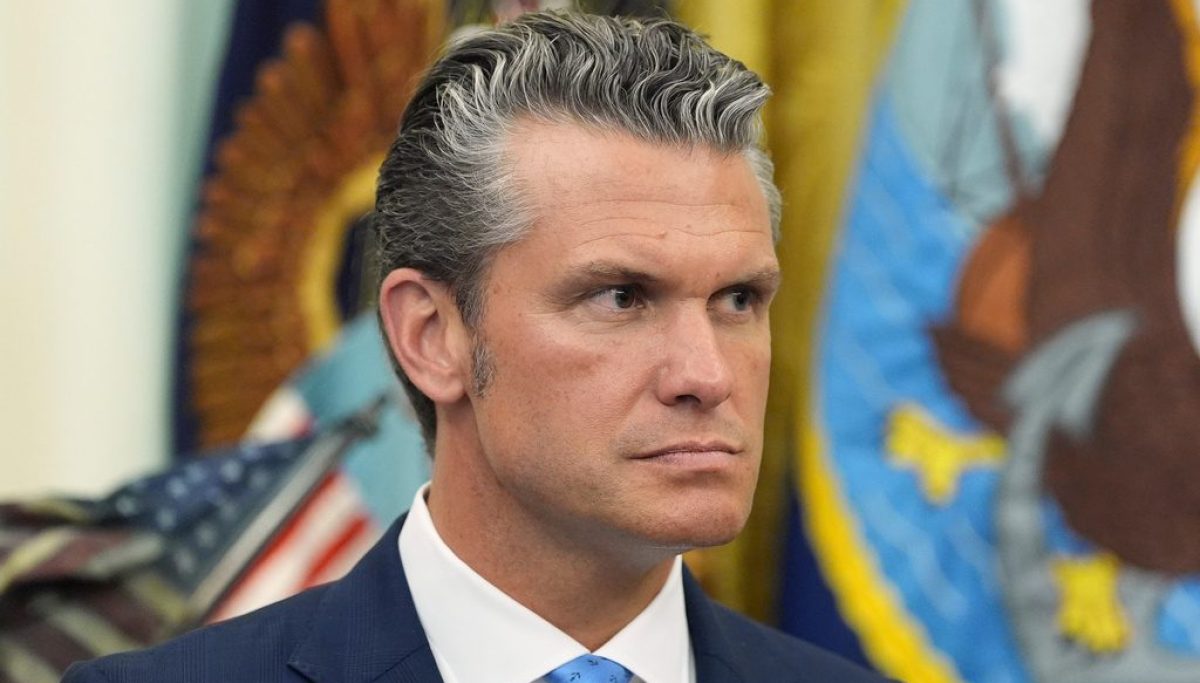
Chief Pentagon spokesman Sean Parnell responded forcefully on Sunday via social media, declaring that publishing highly classified material from Secretary of War Pete Hegseth’s orders book constitutes a crime. Publishing highly classified assessments from Secretary of War Pete Hegseth’s orders book is a crime, Parnell stated, adding accusations that the reporting amounted to a betrayal of the armed forces and contained inaccuracies.

Parnell further claimed that military non-concurrences are routine and that candid military advice is constantly provided to the Secretary, insisting the United States maintains strong readiness worldwide. He suggested the story reflects animosity toward President Trump and Secretary Hegseth rather than legitimate readiness concerns.

Constitutional Rights Versus Classification

As Tom Rogan argues in Washington Examiner, Parnell’s position is either deliberately misleading or reflects fundamental misunderstanding of constitutional law. While military and government personnel are prohibited from leaking classified information, the press enjoys First Amendment protections to report on such leaks when motivated by legitimate public interest in government oversight.

The question of whether the Iran war has compromised American military readiness for potential conflict with China—considered the preeminent strategic challenge—clearly qualifies as a matter of substantial public interest. Ironically, those condemning these readiness leaks previously supported the Iran regime change operation despite clear warnings it would impose significant costs on China-focused military preparedness.

Broader Pattern of Press Restrictions

This incident represents merely one element of what critics characterize as the Trump administration’s broader hostility toward press freedom. Secretary Hegseth has reportedly attempted to require Pentagon correspondents to sign agreements reminiscent of Chinese Communist-style restrictions that would compromise objective reporting. Additionally, the administration has denied credentials to major media organizations seeking to cover next week’s G20 finance meeting.

The Pentagon has also deployed military officers to pressure media outlets into complying with Hegseth’s preferences. Lt. Col. Adam D’Ortana, an active-duty Army officer, appeared to violate Uniformed Code of Military Justice provisions against partisan political activity by military personnel when he publicly called on Washington Post owner Jeff Bezos to terminate his defense reporters.

Such conduct, observers note, represents theatrical performance rather than professional military bearing. The situation has heightened attention on Chairman of the Joint Chiefs of Staff Dan Caine, who fortunately maintains President Trump’s confidence more substantially than the Secretary of War.

With information from Washington Examiner

Share:
Stefanos Banos
Stefanos Banos

Stefanos Banos was born in Piraeus and is an editor at NewsFire.GR, specializing in political analysis and international relations. He graduated from the Department of Communication and Media at the University of Bremen in Germany, where he also completed his Master of Arts in Communication and Media Studies. Married to Zoi, he is a proud father of three boys.

The controversy erupted after the Washington Post published an article detailing senior military leaders’ apprehensions about the prolonged war in Iran. The reporting revealed that the Navy’s top officer and the majority of America’s senior global commanders believe continuing the Iran campaign through 2027 will dangerously undermine military preparedness to counter other strategic threats, particularly from China.

Pentagon Spokesman Claims Criminal Violation

Chief Pentagon spokesman Sean Parnell responded forcefully on Sunday via social media, declaring that publishing highly classified material from Secretary of War Pete Hegseth’s orders book constitutes a crime. Publishing highly classified assessments from Secretary of War Pete Hegseth’s orders book is a crime, Parnell stated, adding accusations that the reporting amounted to a betrayal of the armed forces and contained inaccuracies.

Parnell further claimed that military non-concurrences are routine and that candid military advice is constantly provided to the Secretary, insisting the United States maintains strong readiness worldwide. He suggested the story reflects animosity toward President Trump and Secretary Hegseth rather than legitimate readiness concerns.

Constitutional Rights Versus Classification

As Tom Rogan argues in Washington Examiner, Parnell’s position is either deliberately misleading or reflects fundamental misunderstanding of constitutional law. While military and government personnel are prohibited from leaking classified information, the press enjoys First Amendment protections to report on such leaks when motivated by legitimate public interest in government oversight.

The question of whether the Iran war has compromised American military readiness for potential conflict with China—considered the preeminent strategic challenge—clearly qualifies as a matter of substantial public interest. Ironically, those condemning these readiness leaks previously supported the Iran regime change operation despite clear warnings it would impose significant costs on China-focused military preparedness.

Broader Pattern of Press Restrictions

This incident represents merely one element of what critics characterize as the Trump administration’s broader hostility toward press freedom. Secretary Hegseth has reportedly attempted to require Pentagon correspondents to sign agreements reminiscent of Chinese Communist-style restrictions that would compromise objective reporting. Additionally, the administration has denied credentials to major media organizations seeking to cover next week’s G20 finance meeting.

The Pentagon has also deployed military officers to pressure media outlets into complying with Hegseth’s preferences. Lt. Col. Adam D’Ortana, an active-duty Army officer, appeared to violate Uniformed Code of Military Justice provisions against partisan political activity by military personnel when he publicly called on Washington Post owner Jeff Bezos to terminate his defense reporters.

Such conduct, observers note, represents theatrical performance rather than professional military bearing. The situation has heightened attention on Chairman of the Joint Chiefs of Staff Dan Caine, who fortunately maintains President Trump’s confidence more substantially than the Secretary of War.

With information from Washington Examiner