Sacha Baron Cohen’s Ali G Movie Faces Boycott Over Racism Claims
Sacha Baron Cohen faces a boycott campaign over racism allegations in his Ali G film, creating irony given his history of advocating for online censorship and content moderation.
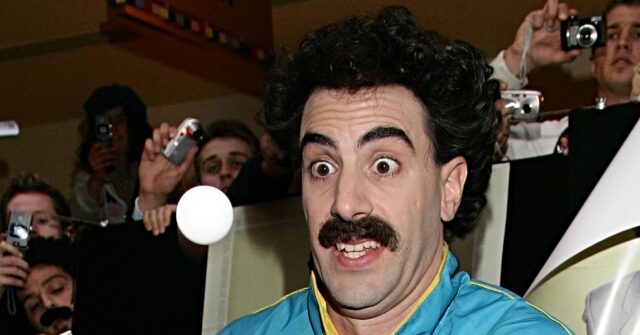

The English actor finds himself in an uncomfortable position, according to Breitbart News, unable to credibly invoke principles of artistic freedom or free speech after repeatedly calling for stringent controls on expression in digital spaces.
In 2019, Cohen made his position clear during a high-profile speech, stating that freedom of speech should not equate to freedom of reach. He argued that technology platforms were giving what he termed “some of the most reprehensible people on earth” access to billions of users, and urged Big Tech companies to purge lies and conspiracies from their platforms.
Cohen specifically targeted what he called the “Silicon Six” — American billionaire technology executives — accusing them of caring more about share prices than protecting democracy. Yet in the same breath, he demanded these very same unelected individuals exercise editorial control over global public discourse by deciding which content should be permitted on social media platforms.
The comedian went further in 2021, publicly calling for then-sitting U.S. President Donald Trump to be permanently banned from social media, and celebrated when major platforms took that action.
The censorship mechanisms Cohen championed have now turned against him. A British watchdog organisation using artificial intelligence to monitor media bias has coordinated a campaign to send approximately 37,000 emails to cinema chains worldwide, urging them to refuse screening the new Ali G film.
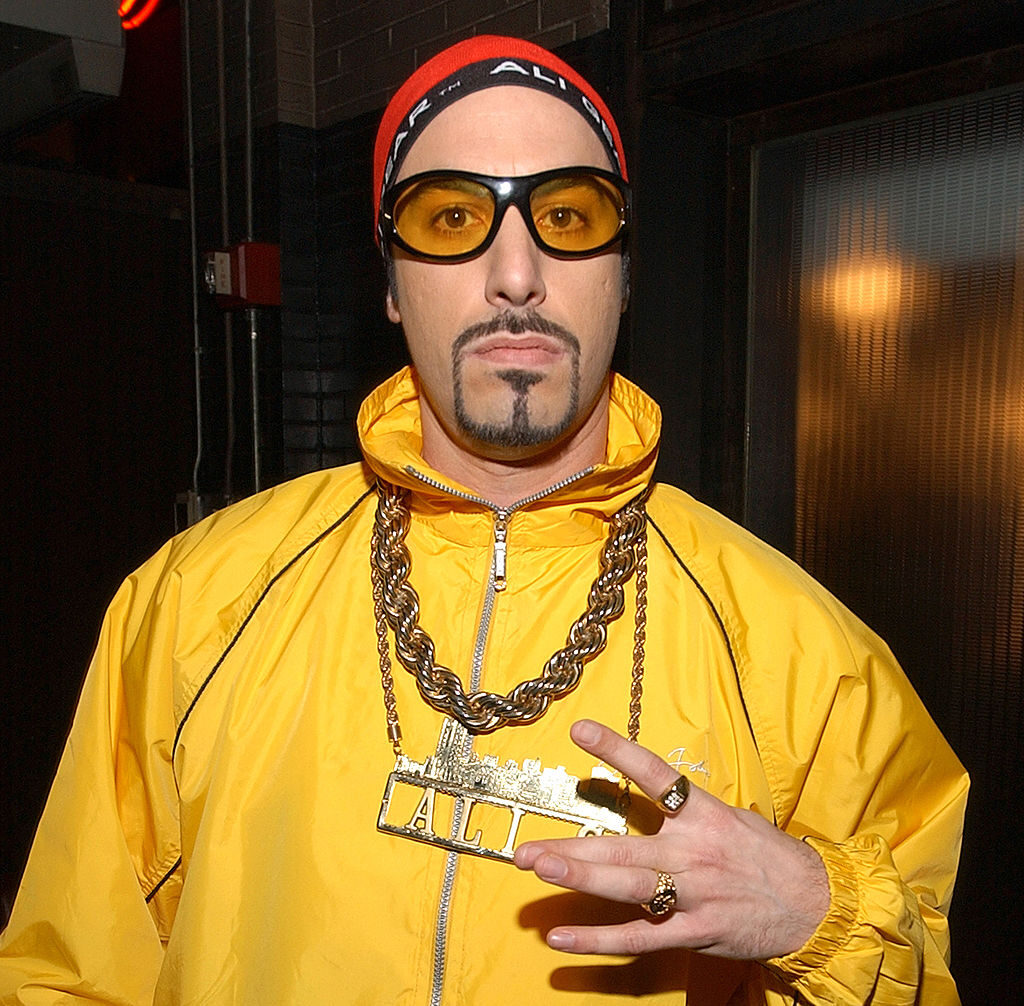
The group cited historical criticism of the Ali G character, noting that British comedians described it as providing cover for racism when it first appeared in 2000. They also referenced concerns raised by Kazakh and Arab organisations about Cohen’s previous work. Sony Pictures UK is marketing the film with the tagline “He iz back. We ain’t liable,” which campaigners argue demonstrates awareness of the controversy.
The boycott organisers have emphasised that cinema chains retain full control over what they choose to screen, framing the decision as an active choice rather than a default booking.
Cohen’s comedy career has centred on adopting personas to manipulate unsuspecting members of the public into compromising situations for entertainment purposes — an approach that critics view as fundamentally elitist and exploitative.
The current controversy reveals the double-edged nature of censorship advocacy. Having spent years promoting the restriction of speech he deemed harmful or offensive, Cohen now confronts organised efforts using similar rationale to suppress his own creative output.
With information from Breitbart News