
Trump’s 50% Tariffs Take Effect as US-Canada Trade Deal Falls Apart
A trade deal between the U.S. and Canada collapsed hours before a deadline, triggering Trump's 50% tariffs on Canadian imports as both sides blame each other for the breakdown.
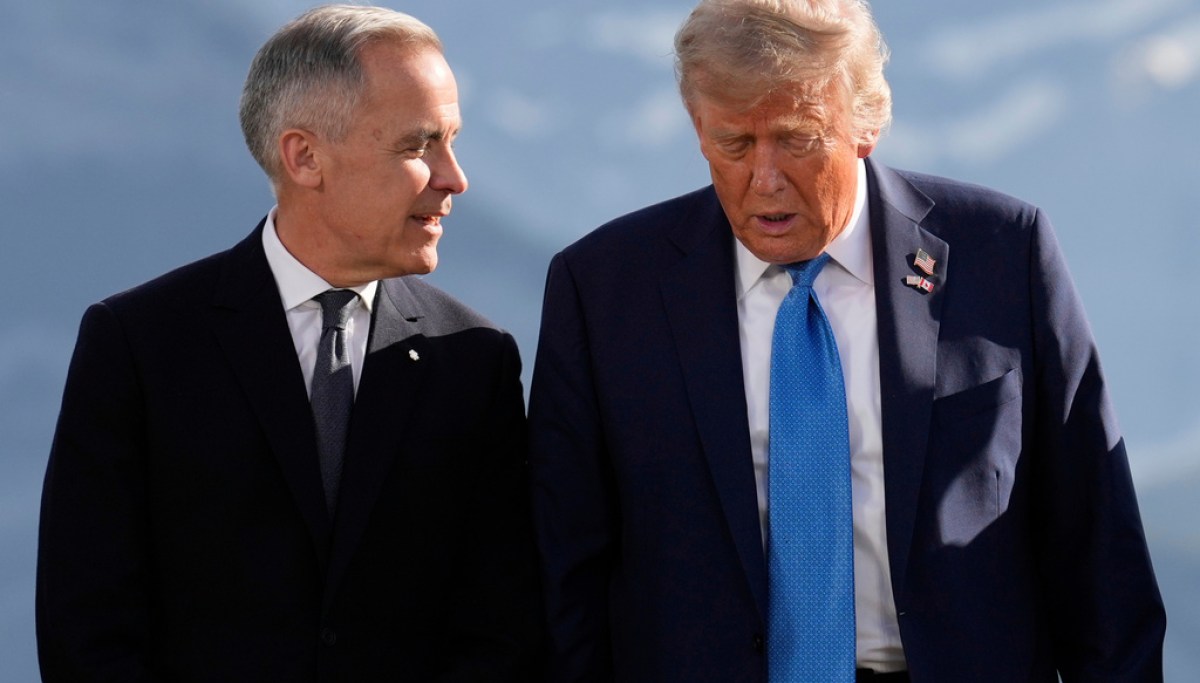

Canadian Prime Minister Mark Carney announced shortly before midnight Friday that his government would impose matching tariffs dollar-for-dollar on American goods entering Canada, according to Washington Examiner columnist Molly Parks.
The breakdown represents a dramatic reversal from Tuesday’s optimistic announcement when Trump revealed his administration had secured a framework agreement with Carney’s government to avert the tariff confrontation. The collapse marks another chapter in the volatile relationship between the two leaders, characterized by repeated cycles of tariff threats and negotiations.


Carney stated he withdrew Canada from the talks after Washington introduced eleventh-hour modifications to the agreed framework that he deemed unacceptable.
The Canadian leader directed his negotiating team to return to Ottawa, praising their efforts while condemning what he characterized as unfair American demands. Carney claimed the last-minute American alterations were economically unreasonable and undermined confidence in any potential agreement, though he did not detail the specific changes that prompted the withdrawal.
Conflicting Accounts From Washington and Ottawa
U.S. Trade Representative Jamieson Greer disputed Carney’s version of events, asserting that Canada walked away from the same terms both sides had accepted earlier in the week.
Greer’s office stated that Ottawa declined to finalize the trade agreement despite American offers to provide Canada the most favorable treatment of any major exporter to U.S. markets. The U.S. Trade Representative accused Canada of introducing new demands and reversing previously accepted commitments, disrupting what had been a carefully balanced arrangement.
Washington also criticized Canada for maintaining retaliatory measures against American commerce, including outright prohibitions on certain U.S. goods and services.
Scope of the Tariffs
The 50% American tariffs will impact a wide range of Canadian exports, from hockey equipment to automobiles, dairy products, and alcoholic beverages.
American and Canadian negotiators had spent the week in Washington attempting to finalize a comprehensive agreement following more than a year of trade tensions stemming from Trump’s tariff policies. The President initially threatened to impose the 50% levies on various Canadian goods in July 2026.
What the Failed Deal Would Have Included
The Tuesday framework that ultimately failed would have addressed U.S. duties on Canadian steel, aluminum, automobiles, and lumber, according to the U.S. Trade Representative’s office, which described the collapse as a missed opportunity.
Greer outlined that the American proposal included forward-looking provisions for economic and national security cooperation, encompassing export controls coordination, transshipment combat measures, enhanced digital trade, and alignment of certain external tariffs.
The arrangement would have established supply chain coordination in the aerospace sector, complementary actions against unfair trade practices, critical minerals cooperation, strengthened enforcement against forced labor imports, and the formal launch of United States-Mexico-Canada Agreement negotiations.
With information from Washington Examiner





