Necessary Cookies

Required for the site to function. Cannot be disabled.

Analytics Cookies

Help us understand how visitors interact with our site (Google Analytics via GTM).

Marketing Cookies

Used to track visitors and deliver personalised advertisements.

We use cookies to enhance your browsing experience and analyse site traffic. By clicking Accept All, you consent to our use of cookies. Privacy Policy
NewsFire Global
Home News Europe World Christianity Culture Wars Opinion Video
Information
About Us Authors Advertising Terms & Conditions Privacy Policy Contact
R2B Media
R2B NEWSFIRE.GR PAPAFOTIS.GR THRACTION HELLENIC CONSERVATIVES RIGHT2THEBONE YT
News World

Trump Takes Second Shot at Ending Birthright Citizenship

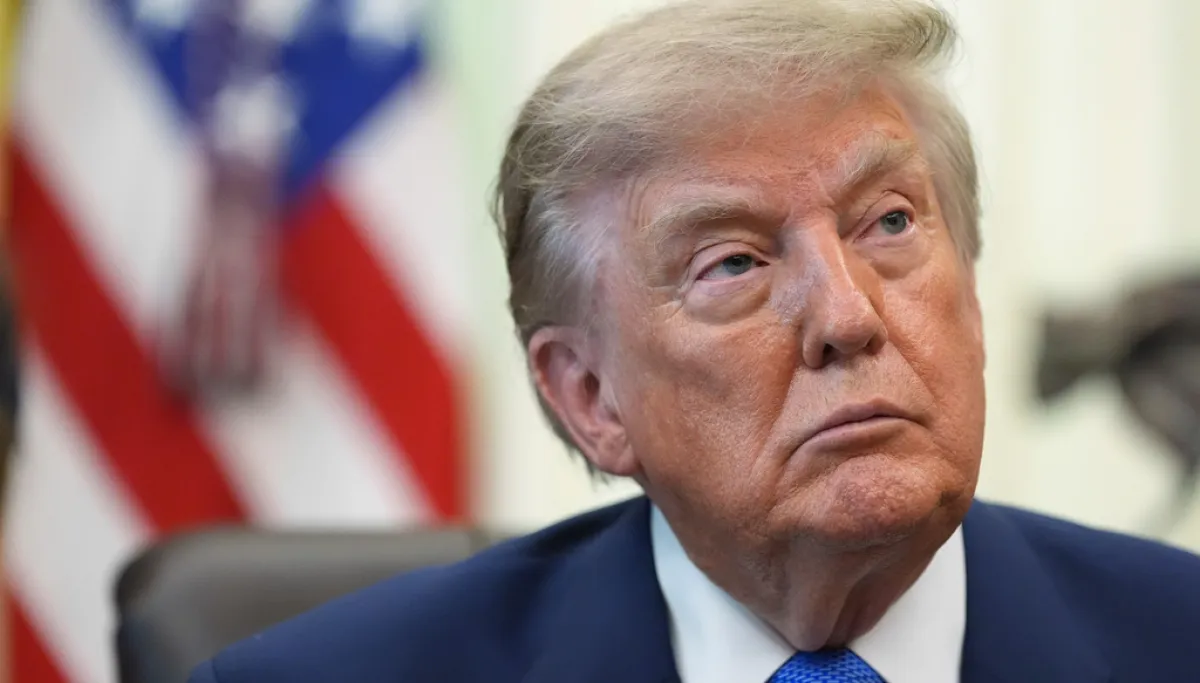
The White House issued two narrower executive orders on birthright citizenship following the Supreme Court's blockage of its earlier attempt, working within legal boundaries the Court established.
Stefanos Banos
Stefanos Banos Staff Writer
AUGUST 18, 2026 AT 4:52 PM

According to Jay Rogers writing in Washington Examiner, the new orders represent a strategic shift rather than retreat, targeting specific vulnerabilities in existing immigration enforcement rather than attempting a wholesale rewrite of constitutional interpretation.

The legal battle centers on six words embedded in the Fourteenth Amendment’s citizenship clause, ratified in 1868: “subject to the jurisdiction thereof.” The full text reads: “All persons born or naturalized in the United States, and subject to the jurisdiction thereof, are citizens of the United States and of the State wherein they reside.”
Since the founding era, only one recognized exception has applied: foreign diplomats who answer to a foreign sovereign rather than American law. The current administration is arguing about where that jurisdictional line properly sits, not seeking to eliminate the clause entirely.

The Supreme Court addressed this issue directly on June 30 in Trump v. Barbara, striking down the administration’s first birthright citizenship order by a 6-3 vote. Chief Justice Roberts wrote for the majority that children born in the United States to parents unlawfully or temporarily present are citizens at birth.

But the decision contains a crucial detail: only five justices signed onto that constitutional holding. Justice Kavanaugh provided the sixth vote on different grounds, ruling the order conflicted with federal statute rather than the Constitution itself—a distinction that leaves Congress with legislative options. Justices Thomas, Alito, and Gorsuch dissented outright.

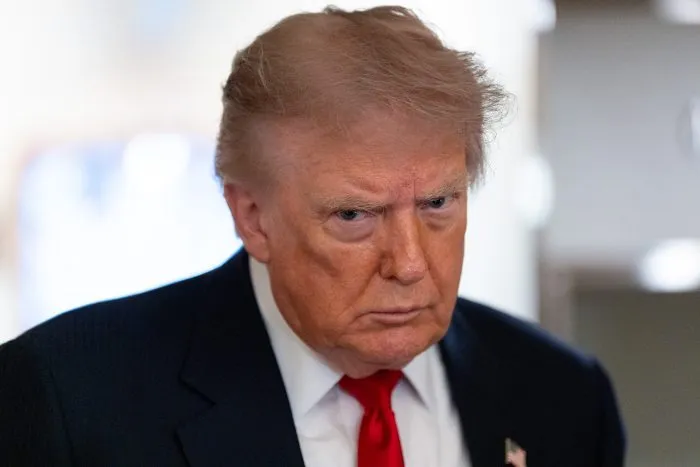
President Donald Trump signed two new executive orders last week that deliberately avoid the breadth of the struck-down version. The first targets visa enforcement against organized birth tourism operations that fly pregnant women to the United States specifically to deliver children on American soil. Prosecuting such schemes requires no novel constitutional theory, as visa fraud already violates existing federal law.

The second order expands the recognized diplomatic exception to cover individuals who lobby or act as registered agents on behalf of foreign governments. The logic mirrors the diplomatic carve-out: people who owe formal obedience to a foreign power operate outside American jurisdiction even while physically present on U.S. territory.

The 1898 case Wong Kim Ark established the controlling precedent. Wong was born in San Francisco in 1873 to Chinese parents with no diplomatic status. When customs officials refused him reentry in 1895, arguing his race and his parents’ foreign citizenship disqualified him from American citizenship, the Supreme Court disagreed 6-2. Birth on soil, not parental allegiance, determines citizenship under full legal jurisdiction—the kind that permits a government to arrest and deport, not the kind requiring loyalty.

The Barbara decision set a floor narrower than critics wanted, and the administration has now adjusted its approach to operate within that framework rather than challenging it head-on. This marks the third attempt in 19 months, reflecting an executive branch willing to refine its legal theory based on what the courts will actually sustain.

Congress could resolve the broader statutory questions permanently by taking up the legislation Justice Kavanaugh identified in his concurrence. Lawmakers have avoided doing so because a floor vote on birthright citizenship carries greater political risk than standard border security legislation.

Birth tourism enforcement requires no new constitutional interpretation—it applies fraud statutes already enacted. The foreign agent exception genuinely tests where diplomatic jurisdiction ends and deserves judicial evaluation rather than dismissal from commentators who prematurely declared previous orders unworkable.

If Congress wants certainty on citizenship policy, one justice has already shown them the legislative path forward.

With information from Washington Examiner

Share:
Stefanos Banos
Stefanos Banos

Stefanos Banos was born in Piraeus and is an editor at NewsFire.GR, specializing in political analysis and international relations. He graduated from the Department of Communication and Media at the University of Bremen in Germany, where he also completed his Master of Arts in Communication and Media Studies. Married to Zoi, he is a proud father of three boys.

According to Jay Rogers writing in Washington Examiner, the new orders represent a strategic shift rather than retreat, targeting specific vulnerabilities in existing immigration enforcement rather than attempting a wholesale rewrite of constitutional interpretation.

The legal battle centers on six words embedded in the Fourteenth Amendment’s citizenship clause, ratified in 1868: “subject to the jurisdiction thereof.” The full text reads: “All persons born or naturalized in the United States, and subject to the jurisdiction thereof, are citizens of the United States and of the State wherein they reside.”
Since the founding era, only one recognized exception has applied: foreign diplomats who answer to a foreign sovereign rather than American law. The current administration is arguing about where that jurisdictional line properly sits, not seeking to eliminate the clause entirely.

The Supreme Court addressed this issue directly on June 30 in Trump v. Barbara, striking down the administration’s first birthright citizenship order by a 6-3 vote. Chief Justice Roberts wrote for the majority that children born in the United States to parents unlawfully or temporarily present are citizens at birth.

But the decision contains a crucial detail: only five justices signed onto that constitutional holding. Justice Kavanaugh provided the sixth vote on different grounds, ruling the order conflicted with federal statute rather than the Constitution itself—a distinction that leaves Congress with legislative options. Justices Thomas, Alito, and Gorsuch dissented outright.

President Donald Trump signed two new executive orders last week that deliberately avoid the breadth of the struck-down version. The first targets visa enforcement against organized birth tourism operations that fly pregnant women to the United States specifically to deliver children on American soil. Prosecuting such schemes requires no novel constitutional theory, as visa fraud already violates existing federal law.

The second order expands the recognized diplomatic exception to cover individuals who lobby or act as registered agents on behalf of foreign governments. The logic mirrors the diplomatic carve-out: people who owe formal obedience to a foreign power operate outside American jurisdiction even while physically present on U.S. territory.

The 1898 case Wong Kim Ark established the controlling precedent. Wong was born in San Francisco in 1873 to Chinese parents with no diplomatic status. When customs officials refused him reentry in 1895, arguing his race and his parents’ foreign citizenship disqualified him from American citizenship, the Supreme Court disagreed 6-2. Birth on soil, not parental allegiance, determines citizenship under full legal jurisdiction—the kind that permits a government to arrest and deport, not the kind requiring loyalty.

The Barbara decision set a floor narrower than critics wanted, and the administration has now adjusted its approach to operate within that framework rather than challenging it head-on. This marks the third attempt in 19 months, reflecting an executive branch willing to refine its legal theory based on what the courts will actually sustain.

Congress could resolve the broader statutory questions permanently by taking up the legislation Justice Kavanaugh identified in his concurrence. Lawmakers have avoided doing so because a floor vote on birthright citizenship carries greater political risk than standard border security legislation.

Birth tourism enforcement requires no new constitutional interpretation—it applies fraud statutes already enacted. The foreign agent exception genuinely tests where diplomatic jurisdiction ends and deserves judicial evaluation rather than dismissal from commentators who prematurely declared previous orders unworkable.

If Congress wants certainty on citizenship policy, one justice has already shown them the legislative path forward.

With information from Washington Examiner


