Necessary Cookies

Required for the site to function. Cannot be disabled.

Analytics Cookies

Help us understand how visitors interact with our site (Google Analytics via GTM).

Marketing Cookies

Used to track visitors and deliver personalised advertisements.

We use cookies to enhance your browsing experience and analyse site traffic. By clicking Accept All, you consent to our use of cookies. Privacy Policy
NewsFire Global
Home News Europe World Christianity Culture Wars Opinion Video
Information
About Us Authors Advertising Terms & Conditions Privacy Policy Contact
R2B Media
R2B NEWSFIRE.GR PAPAFOTIS.GR THRACTION HELLENIC CONSERVATIVES RIGHT2THEBONE YT
News World

Why Do Polls Keep Getting Elections Wrong?

Recent high-profile polling failures in Wisconsin and Michigan primaries have reignited concerns about survey research credibility, with primary polls historically missing results by an average of 13 percentage points.


AUGUST 17, 2026 AT 6:45 PM

Francesca Hong appeared headed for a comfortable victory in Wisconsin’s gubernatorial primary, with her final five polls showing leads as large as 22 percentage points. Instead, she narrowly lost. A week earlier, Abdul el Sayed was projected to win Michigan’s Democratic Senate primary by a substantial margin based on polling data. He secured only a narrow victory. Both outcomes have reignited concerns about the reliability of political polling, according to Karlyn Bowman writing in Washington Examiner.
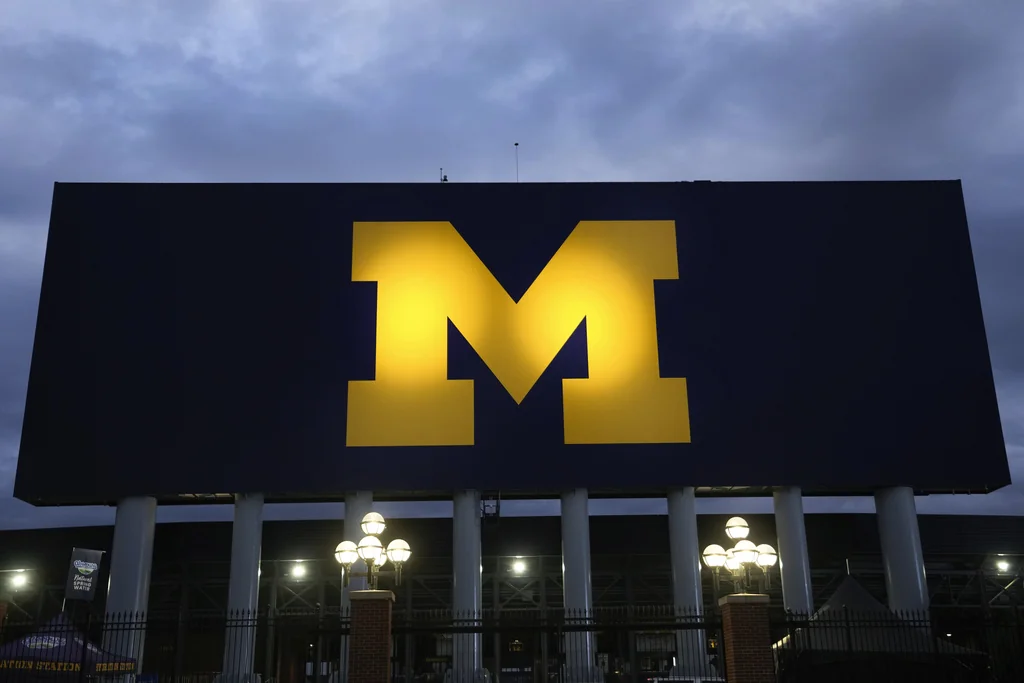
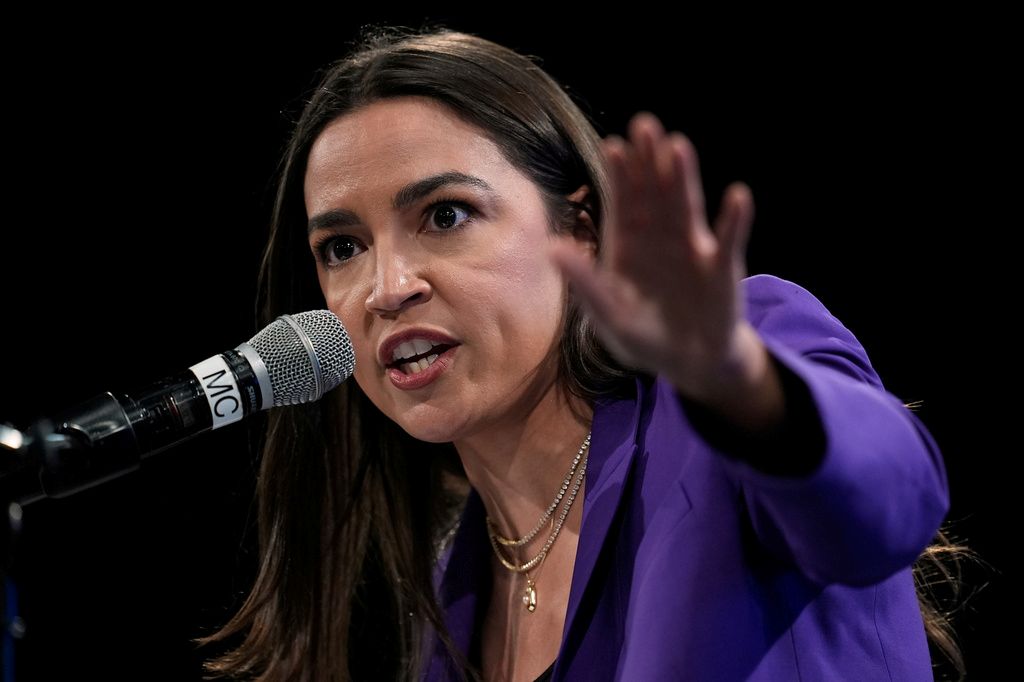
Primary elections present notoriously difficult terrain for pollsters. Research examining Senate and gubernatorial primary contests in 2014, 2016, and 2020 conducted by G. Elliott Morse and Mary Radcliffe found that primary polling misses the mark by an average of 13 percentage points.

Several factors contribute to these miscalculations. This cycle has seen extraordinary enthusiasm among leftist Democrats, potentially leading to their overrepresentation in survey samples. Estimating turnout figures and electorate composition in primaries adds layers of complexity. States with competitive open primaries, where voters from any party can participate, create additional obstacles. Pollsters also struggle to capture late momentum shifts unless they conduct surveys immediately before election day.

The polling industry has attempted to address its credibility crisis. Following significant misses in the 2020 and 2024 presidential elections, the American Association for Public Opinion Research assembled experts and practitioners to diagnose the problems and issued a comprehensive report on their findings.

Yet despite these earnest reform efforts, recent failures dominate public memory. Experts warn more such errors should be expected, though some defenders note that presidential polling generally performs well when conducted close to election day.

The Monumental Task of Modern Polling

The operational reality of contemporary polling illustrates why accuracy remains elusive. A recent New York Times/Sienna poll surveyed 3,659 likely voters between June 15-29, reaching approximately 600 voters across six states expected to be competitive in the fall: Alaska, Iowa, Maine, North Carolina, Ohio, and Texas.

The effort required to complete this survey was staggering. Pollsters placed more than 467,000 calls to over 174,000 registered voters using live interviewers. By contrast, many primary election polls operate with shoestring budgets, compressed timeframes, and smaller sample sizes.

Government Surveys Face Similar Challenges

The difficulties extend beyond political polling. Federal agencies face declining response rates, now typically below 5 percent, alongside rising costs and budget constraints for government surveys.

Michael Strain of the American Enterprise Institute and Brookings economist David S. Johnson have both highlighted the technical and political challenges confronting the nation’s critical federal statistical infrastructure.

The Federal Reserve’s Survey of Consumer Finances, conducted by NORC every three years since 1992, exemplifies these challenges. This gold-standard survey provides in-depth data on Americans’ financial situations but requires respondents to furnish detailed information that many find burdensome.

NORC surveys approximately 6,000 people every three years. Facing declining response rates, escalating costs, and competition for respondents’ attention, the research organization has been testing various incentive strategies to boost participation.

The organization found encouraging news: increasing financial incentives did not compromise survey quality, an important discovery given the nation’s reliance on these statistics.

Spillover Effects

The polling catastrophes in Michigan and Wisconsin may have consequences that ripple far beyond political forecasting. These high-profile failures likely contribute to declining public willingness to participate in any survey, including the vital government data collection efforts that inform policy decisions affecting all Americans.

Primary pollsters face unique obstacles, but their repeated missteps may be eroding trust in the entire survey research ecosystem at a time when accurate data has never been more essential.

With information from Washington Examiner

Share:
Eleni Papadaki-Van Der Merwe

She was born in 1986 in Johannesburg, South Africa. She is the granddaughter of an immigrant from Crete who settled in the Greek community of Johannesburg (one of the largest in Africa). She holds a bachelor’s degree in International Relations and Political Science from the University of the Witwatersrand (Wits) in Johannesburg and a master’s degree in Journalism from Rhodes University in Grahamstown. She began her career at English-language media outlets in Johannesburg, covering politics and economics, with a focus on issues related to migration and the diaspora. She moved to Athens in 2015 to “return to her roots,” initially to pursue graduate studies, and has remained there permanently. She is married to an Afrikaner; they have two children and live in the southern suburbs of Athens.

Francesca Hong appeared headed for a comfortable victory in Wisconsin’s gubernatorial primary, with her final five polls showing leads as large as 22 percentage points. Instead, she narrowly lost. A week earlier, Abdul el Sayed was projected to win Michigan’s Democratic Senate primary by a substantial margin based on polling data. He secured only a narrow victory. Both outcomes have reignited concerns about the reliability of political polling, according to Karlyn Bowman writing in Washington Examiner.

Primary elections present notoriously difficult terrain for pollsters. Research examining Senate and gubernatorial primary contests in 2014, 2016, and 2020 conducted by G. Elliott Morse and Mary Radcliffe found that primary polling misses the mark by an average of 13 percentage points.

Several factors contribute to these miscalculations. This cycle has seen extraordinary enthusiasm among leftist Democrats, potentially leading to their overrepresentation in survey samples. Estimating turnout figures and electorate composition in primaries adds layers of complexity. States with competitive open primaries, where voters from any party can participate, create additional obstacles. Pollsters also struggle to capture late momentum shifts unless they conduct surveys immediately before election day.

The polling industry has attempted to address its credibility crisis. Following significant misses in the 2020 and 2024 presidential elections, the American Association for Public Opinion Research assembled experts and practitioners to diagnose the problems and issued a comprehensive report on their findings.

Yet despite these earnest reform efforts, recent failures dominate public memory. Experts warn more such errors should be expected, though some defenders note that presidential polling generally performs well when conducted close to election day.

The Monumental Task of Modern Polling

The operational reality of contemporary polling illustrates why accuracy remains elusive. A recent New York Times/Sienna poll surveyed 3,659 likely voters between June 15-29, reaching approximately 600 voters across six states expected to be competitive in the fall: Alaska, Iowa, Maine, North Carolina, Ohio, and Texas.

The effort required to complete this survey was staggering. Pollsters placed more than 467,000 calls to over 174,000 registered voters using live interviewers. By contrast, many primary election polls operate with shoestring budgets, compressed timeframes, and smaller sample sizes.

Government Surveys Face Similar Challenges

The difficulties extend beyond political polling. Federal agencies face declining response rates, now typically below 5 percent, alongside rising costs and budget constraints for government surveys.

Michael Strain of the American Enterprise Institute and Brookings economist David S. Johnson have both highlighted the technical and political challenges confronting the nation’s critical federal statistical infrastructure.

The Federal Reserve’s Survey of Consumer Finances, conducted by NORC every three years since 1992, exemplifies these challenges. This gold-standard survey provides in-depth data on Americans’ financial situations but requires respondents to furnish detailed information that many find burdensome.

NORC surveys approximately 6,000 people every three years. Facing declining response rates, escalating costs, and competition for respondents’ attention, the research organization has been testing various incentive strategies to boost participation.

The organization found encouraging news: increasing financial incentives did not compromise survey quality, an important discovery given the nation’s reliance on these statistics.

Spillover Effects

The polling catastrophes in Michigan and Wisconsin may have consequences that ripple far beyond political forecasting. These high-profile failures likely contribute to declining public willingness to participate in any survey, including the vital government data collection efforts that inform policy decisions affecting all Americans.

Primary pollsters face unique obstacles, but their repeated missteps may be eroding trust in the entire survey research ecosystem at a time when accurate data has never been more essential.

With information from Washington Examiner

